
Most people enjoy gardening as a pastime, but there are also hazards involved that only experienced gardeners understand. One risk is that it can attract snakes to your garden. Snakes are great pest controllers for your garden, but then again, most snakes are venomous and could be lethal to you or your pet.
Gardeners must identify which plants may attract snakes and take necessary precautions.
Rose
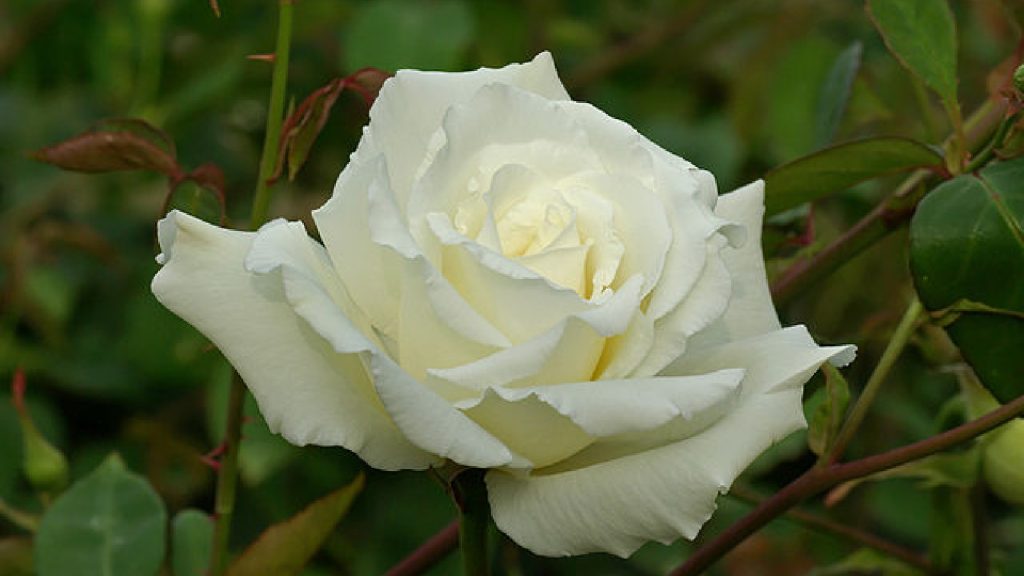
Roses are characterized by their thorns and usually fragrant flowers, so they are preferred ornamental plants for a wide range of gardeners. But the thick bushes and hiding holes that are provided by rose bushes also make it a good site for snakes.
Clover

A favorite ground cover, Clover, blossoms with white flowers and is covered with bees; it is rich in nitrogen. It also creates a damp, shady spot that is very attractive to snakes. Additionally, the large quantity of clover-consuming insects may lure snakes in to feed.
Jasmine
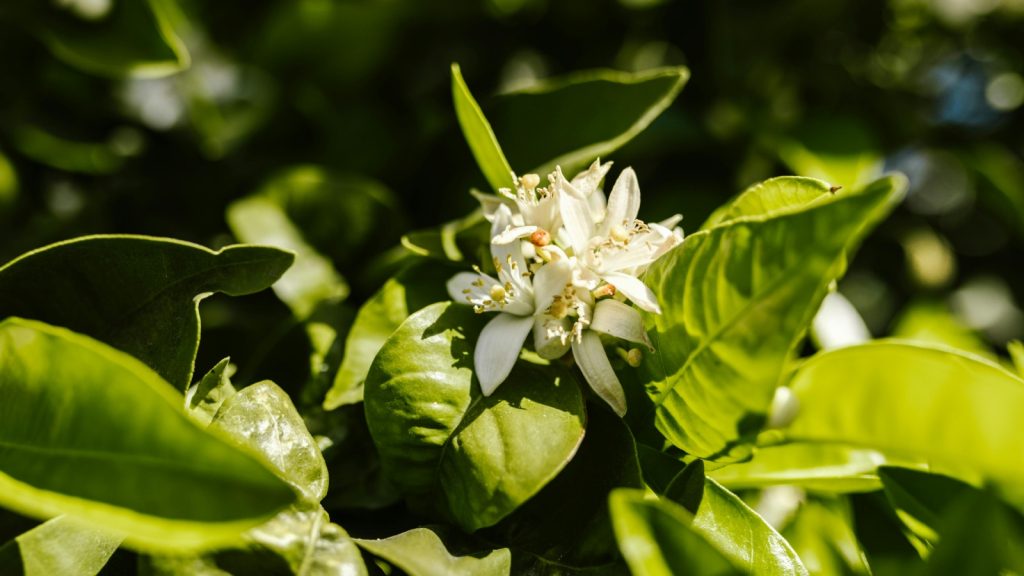
One commonly known flowering plant with some species that can attract snakes is Jasmine. The dense foliage and fragrant flowers are very appealing hiding places for snakes. Also, jasmine may have such dense greenery that it can become a refuge for snakes to nap in the searing southern sun.
Morning Glory
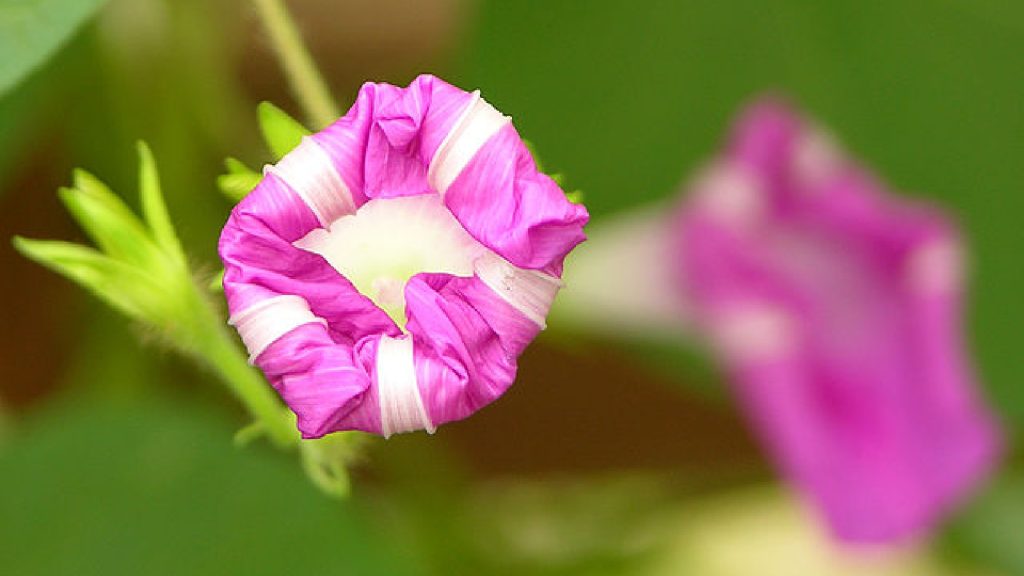
Morning Glory is a well-loved plant that produces some of the most vibrant flowers you can find for attracting pollinators. But this plant is also an ideal hiding place for snakes. Moreover, morning glories will grow their twisted vines, creating crevices and deep holes that are perfect places for snakes to hide.
Boxwood
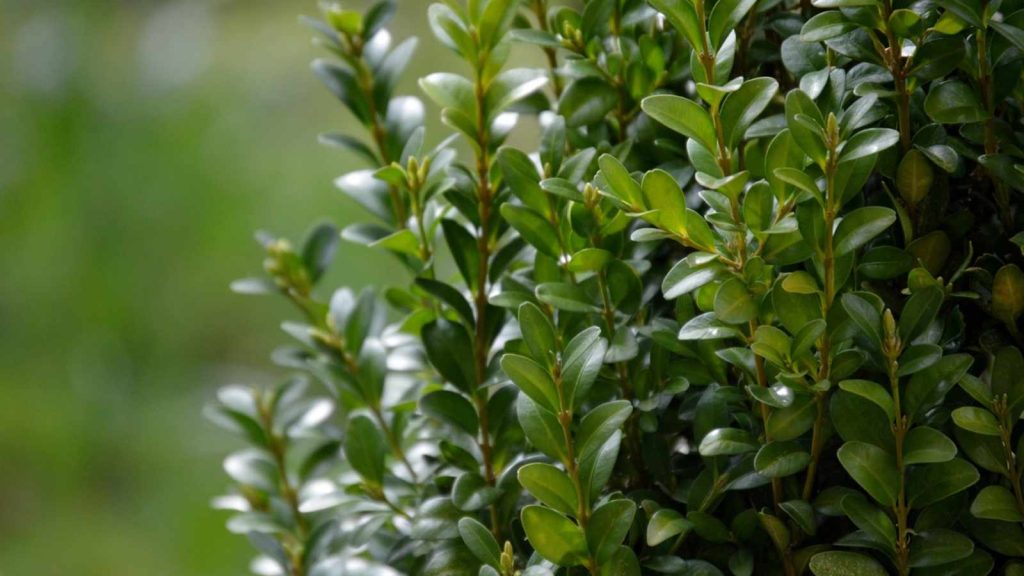
Boxwood is a popular evergreen with dense foliage that can be pruned to form hedging, borders, and even topiaries. Nevertheless, its branches are overly close to the ground, and its leaves make it an ideal spot for snakes.
Bamboo

With its incredibly fast spread and exotic quality, bamboo may make you think twice before you add it to your garden, particularly as bamboo is known to attract snakes. Also, in some species of bamboo, the stems are hollow and provide refuge for snakes.
Hostas
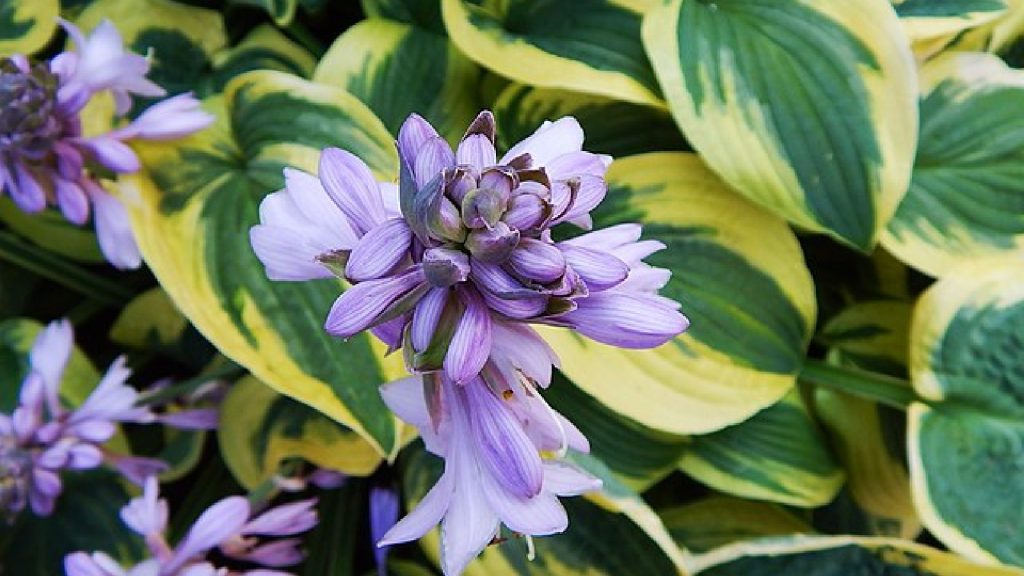
Hostas are a well-known shade plant that has large leaves in many shades of green. According to Greenkin, hostas’ thick, lush green and damp soil can also attract snakes for lounging in the cool, moist shade.
Lantana
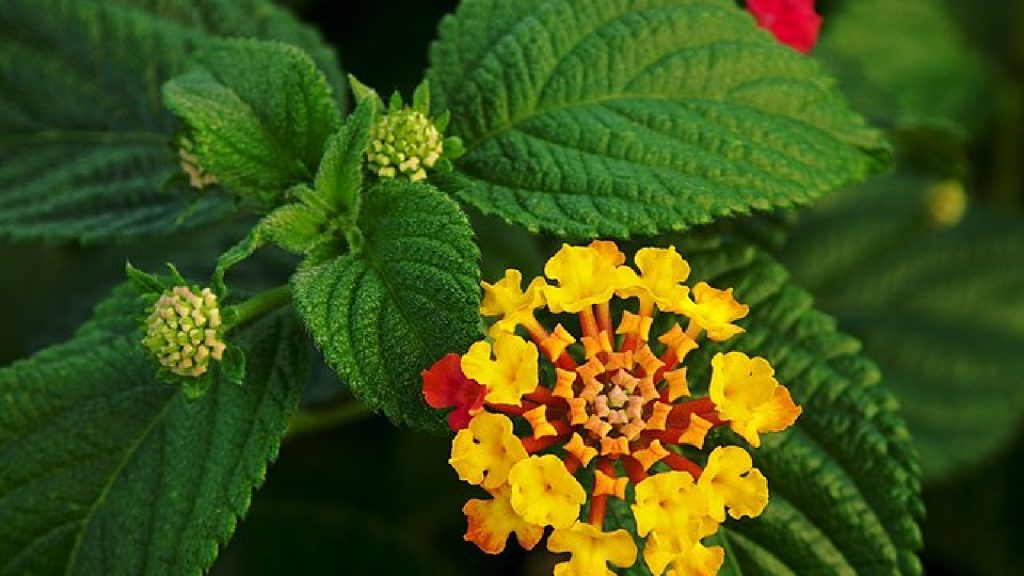
Lantana is an attractive plant because its flowers are beautiful and pleasing to pollinators and us. Alas, if they are good for the insects we want, they also attract potential pests, which is precisely what brings those sneaky, slithery friends to your yard.
Ferns

Ferns are always a popular choice because of their characteristic fronds and shade tolerance. Ultimately, though, this vegetation is ideal for the snakes that want to get out of the sun or their enemies. Also, snakes could be found under ferns at rest.
Ivy

According to the Economic Times, ivy is a climbing plant with dense foliage, making it perfect protection for snakes, specifically during the time of year when they are most active – spring. This vine has dense foliage that provides a perfect hiding place for snakes and makes it harder for gardeners to see the snakes.