Pollinators are necessary to help some plants reproduce. Bees, butterflies, and birds are among the pollinators that plant reproduction would not occur without. You can plant some types of vegetables specifically to draw pollinators into your garden.
These plants will help improve pollination in your garden and provide food and habitat for the pollinators.
Tomatoes

Tomatoes are one of the most common components in any garden, and these plants are a fire when it comes to attracting pollinators like bees, butterflies, and even hummingbirds. They have large, very showy, and nectar-rich flowers that are quite irresistible to these insectivores and aviators.
Squash

This plant bears both male and female flowers required for pollination. The bright yellow flowers of squash give a clue to attract bees or other pollinators. You will have blooms to attract pollinators all season by planting different types of squash.
Peas

Not only do peas create pretty blossoms that attract bees and other pollinators, but they also require cross-pollination of two different plants to get better fruit set. This requirement makes them good for attracting beneficial insects to your garden.
Cucumbers

Cucumbers produce large, showy flowers that are very attractive to pollinators like bumblebees and squash bees. These pollinators are the most important workers in cucumber production because they help pollinate the flowers, and without proper pollination, you’re not going to get a harvest.
Pumpkins
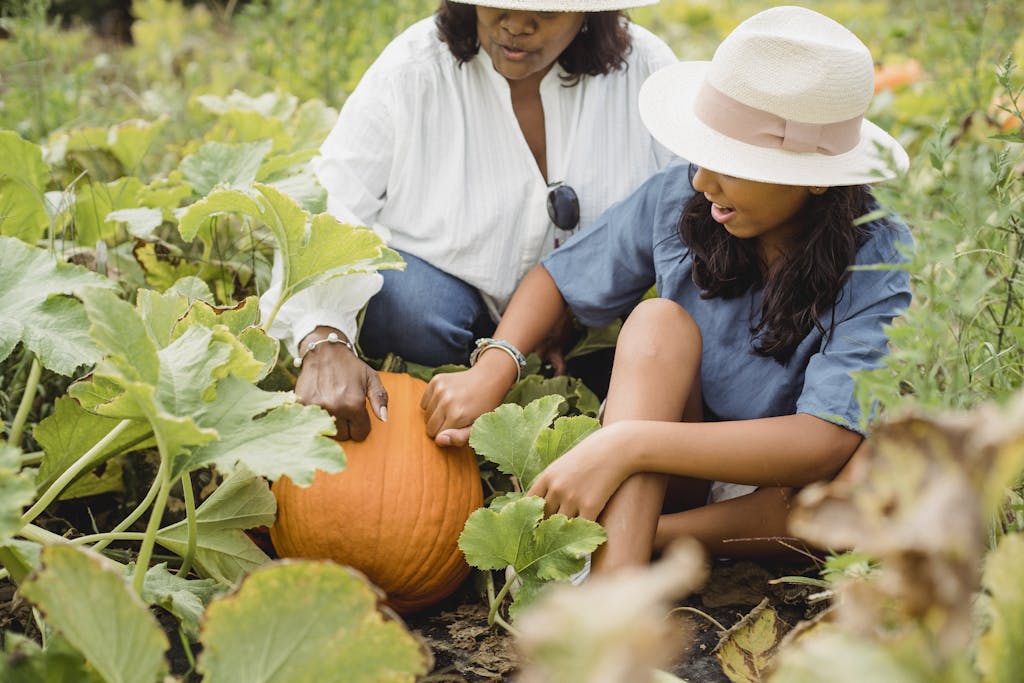
Pumpkins are also monoecious, growing both male and female flowers on the same plant, so pumpkins can be pollinated. As this USDA report attests, pumpkins’ bright yellow-orange flowers are unique and very attractive to native bees and honeybees.”
Peppers
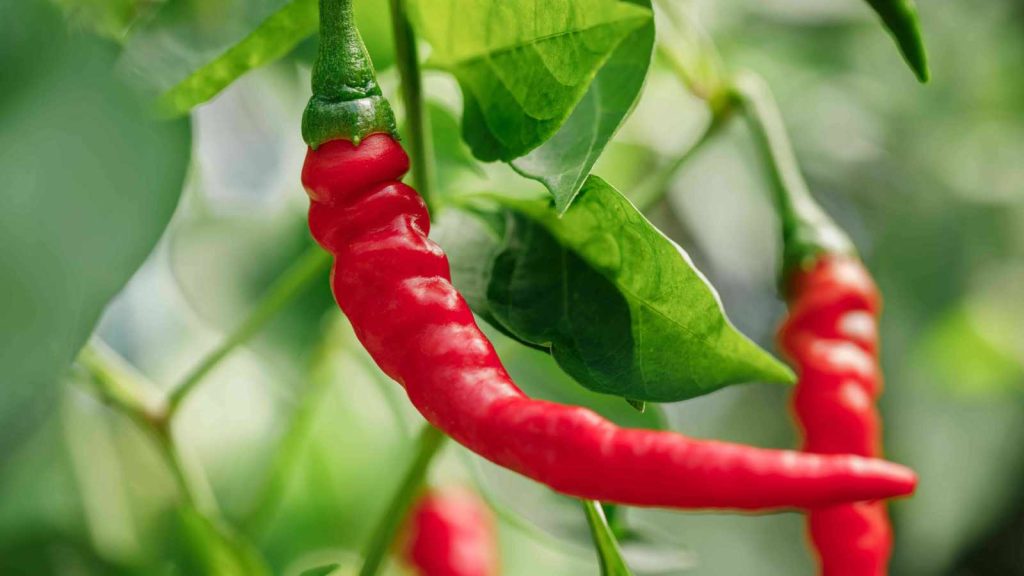
Pepper plants have beautiful flowers that attract all kinds of pollinators. They are also self-incompatible, so they need cross-pollination to set the best fruit and have colorful flowers, which will attract beneficial insects.
Eggplant

The eggplant plant has beautiful purple flowers that attract pollinators like bees and butterflies. According to ScienceDirect.com, eggplants are self-pollinating and require only one plant to produce fruit. However, having more plants will also invite different pollinators.
Melons

Melon flowers are aromatic and draw in bees along with other bugs to encourage pollination. The variety will provide blooms throughout the season, alternating from one plant to another as seasons progress, in order not only to have more benefits but also a steadier flow of flowers.
Broccoli

Broccoli plants attract pollinators. They have tiny, yellow flowers which bring in the bees. If you plant broccoli in the fall, this can help pollinators get some extra food towards the end of the season when a lot of other plants have already stopped flowering.
Onions

According to ResearchGate, onion plants make ball-shaped umbels of white/purple flowers, which are a valuable source for some pollinators such as bees and butterflies. Onion plants are also cross-pollinated, so they are ideal for attracting good insects to your garden.
Beets
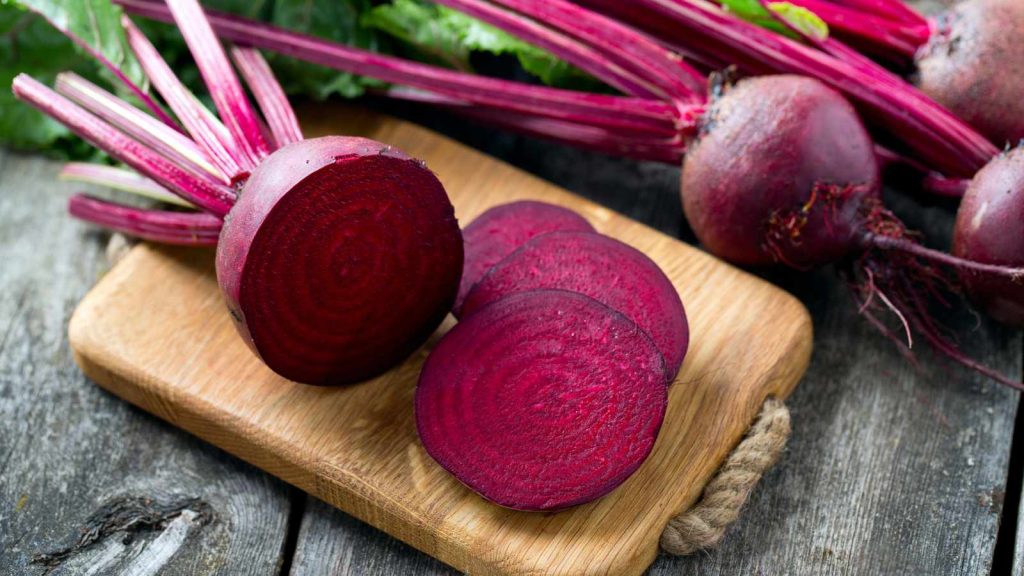
Beet plants send up tall stalks with numerous pink flowers that are bee- and hoverfly-pollinated. You can be sure to always have blooms all season long by planting different types of beets.
Beans
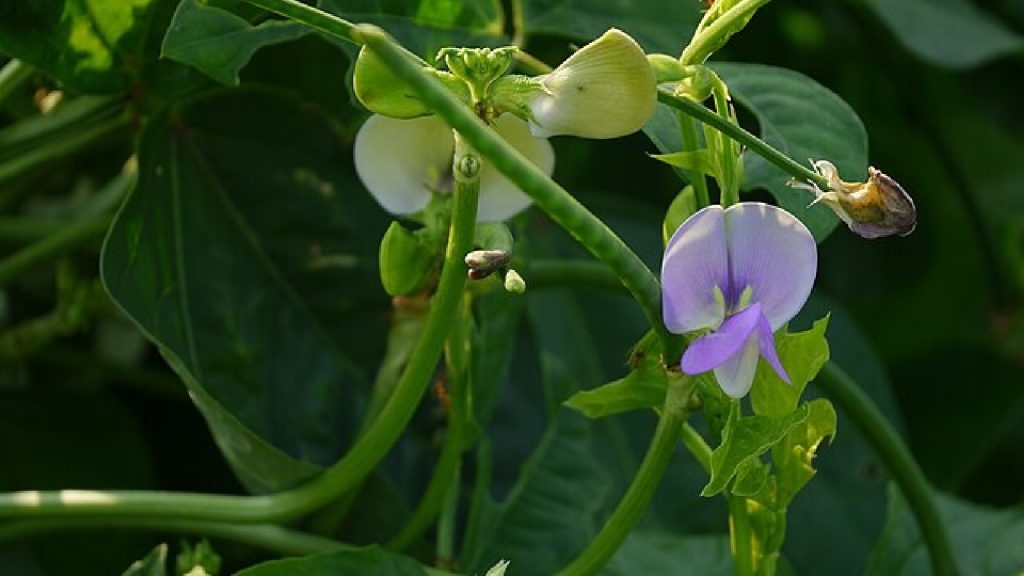
The flowers of the bean plant are fragrant, little white flowers that are meant to attract any pollinators, such as bees and butterflies. Their dioecious nature also means they need cross-pollination to produce better fruit, which is good if you are looking to lure beneficial insects into your garden.
Carrots

The carrot plants grow to about a yard and have small, white flowers held in an umbel where various pollinators readily alight. The flowers in and of themselves are not as showy as the other veggies on this list, but they still do a great job attracting beneficial bugs to your garden.
Radishes

The radish plants produce small clusters of white flowers that are quite rich in nectar for all the pollinators. Planting different varieties that bloom at different times can yield blooms over a longer period of time, attracting beneficial insects.
Zucchini
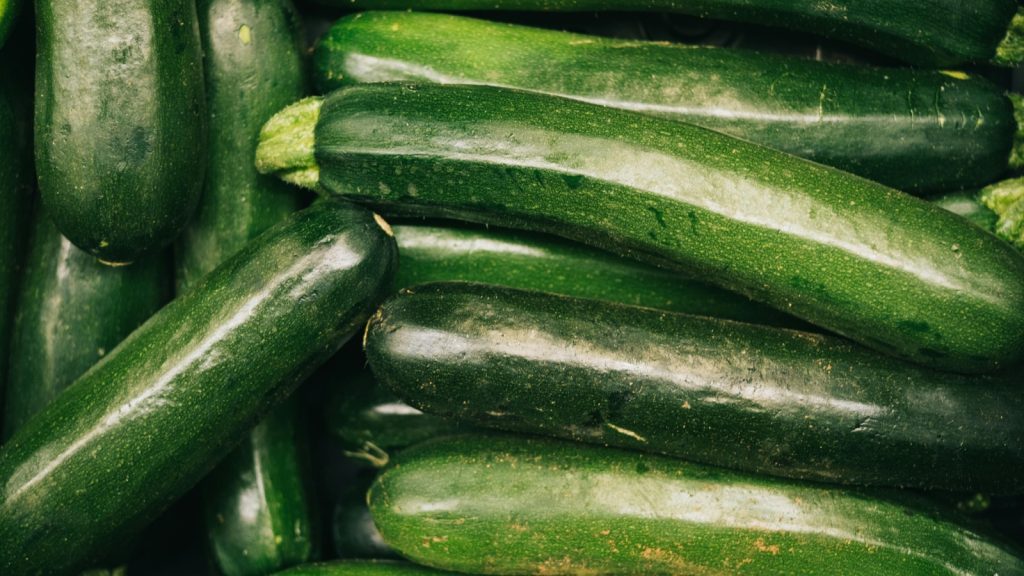
Zucchini plants have big, yellowish-orange flowers that pollinators like bees and butterflies love. If you want to draw as many kinds of pollinators into your garden as possible, it is recommended that you have a number of zucchini plants.