
Plants are an essential part of our ecosystem and add beauty to our surroundings. However, not all plants are safe, especially for kids and pets. Common garden plants can be poisonous if ingested or touched by curious little hands and paws.
If you are a parent or pet owner, be aware of these dangerous plants and keep your children and pets away from them.
Azaleas

These beautiful flowering plants are popular in gardens, but their leaves and flowers contain toxins that can harm kids and pets. Ingestion of even small amounts can lead to vomiting, drooling, diarrhea, weakness, and, in severe cases, coma or death.
Daffodils

Daffodils are a favorite among gardeners, but their bulbs contain lycorine, which is toxic to dogs, cats, and horses. Ingestion can cause vomiting, diarrhea, abdominal pain, and irregular heartbeat.
Lily of the Valley
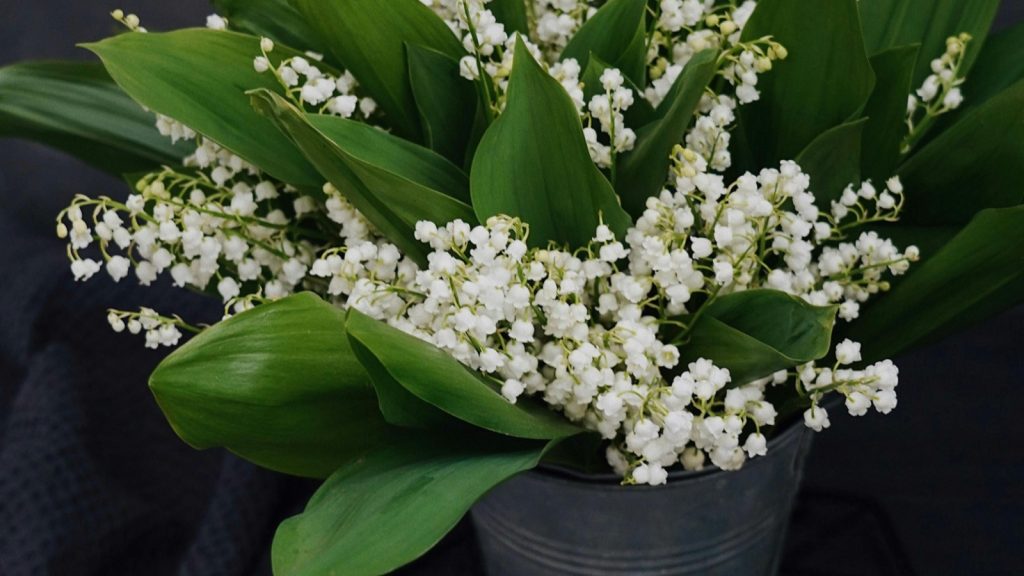
This fragrant plant has small white bell-shaped flowers and contains cardiac glycosides that can affect the heart if ingested by kids or pets. Symptoms include drooling, nausea, vomiting, lowered heart rate, seizures, and possibly death.
Oleander

Oleander is a beautiful flowering shrub commonly found in gardens. All parts of this plant are highly poisonous, and ingestion can lead to nausea, vomiting, drowsiness, and even death. Always wear gloves when handling this plant and keep it out of reach of children and pets.
Sago Palm
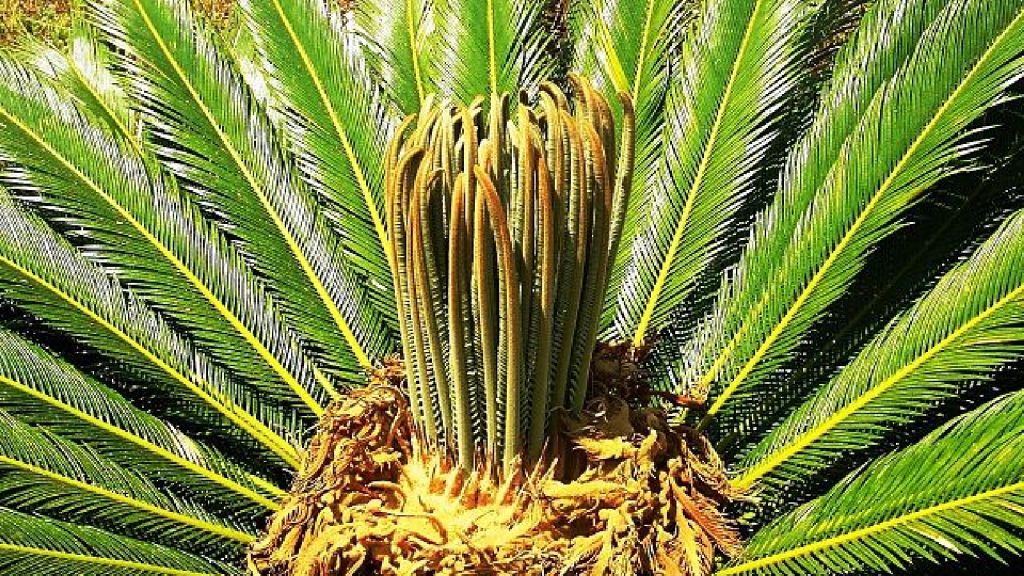
Sago palm is a popular ornamental plant, but all parts of the plant contain cycasin, which is poisonous to dogs, cats, and horses. Ingestion can cause liver failure, seizures, and even death. Keep this plant out of your garden and house, especially if you have pets.
Tulips
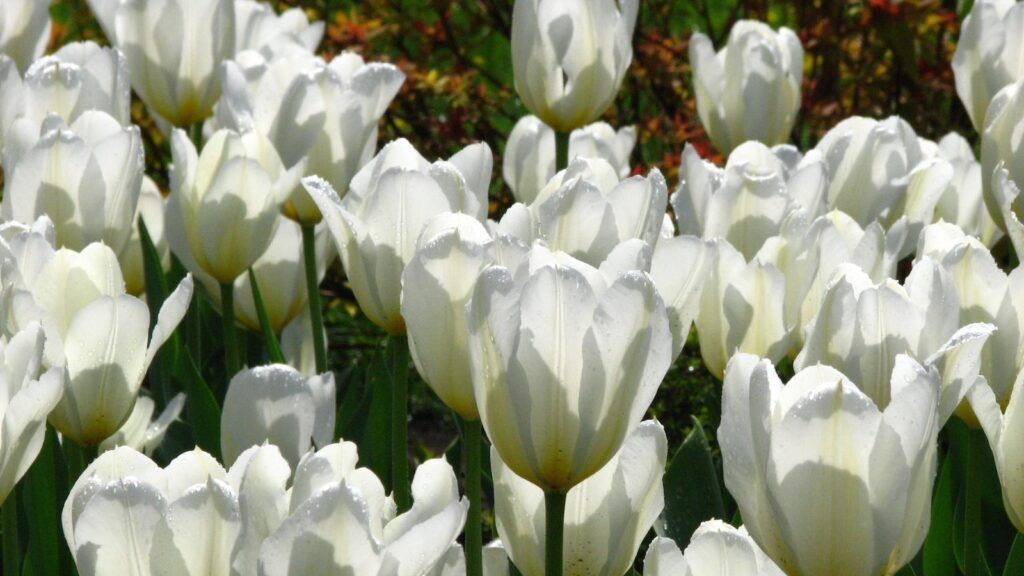
Tulips are a beautiful spring flower that can cause pet problems if ingested. The bulbs contain allergenic lactones that can irritate dogs’ and cats’ mouths and esophagi, leading to drooling, vomiting, and diarrhea. Keep tulips out of the reach of pets.
Hydrangeas

Hydrangeas are a popular flowering shrub with cyanide in their leaves and flowers. Ingestion can lead to stomach pain, difficulty breathing, dizziness, and even coma. Keep hydrangeas away from your garden if you have small children or pets.
Rhubarb

While rhubarb is safe for human consumption, the leaves contain oxalic acid, which can cause severe kidney damage if ingested by kids or pets. Keep the leaves away from curious hands and mouths.
Castor Bean Plant

Castor bean plants are commonly found in gardens. Their seeds contain ricin, a highly toxic substance that can cause serious health problems in kids or pets. Always wear gloves when handling this plant, and keep it out of reach of children and pets.
Morning Glory
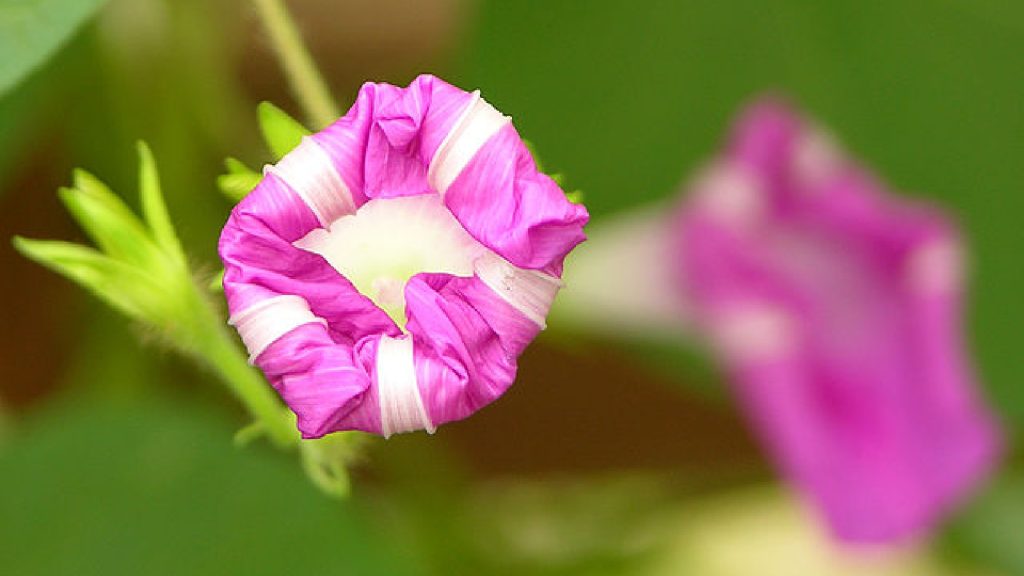
Morning Glory is a beautiful flowering vine that grows quickly and easily in gardens. However, its seeds contain lysergic acid amide (LSA), which can cause hallucinations if ingested by kids or pets. Keep an eye on your children and pets when playing around this plant.
Dumbcane

Dumbcane is a popular houseplant with leaves containing calcium oxalate crystals that can irritate the mouth and throat if chewed or swallowed by kids or pets. Keep this plant out of reach in your house or garden.
Ivy

Most types of ivy contain triterpenoid saponins, which can cause vomiting, diarrhea, and abdominal pain. Keep ivy out of reach in your garden, especially if you have curious children or pets. Also, be cautious when handling this plant, as the sap can cause skin irritation.