
The world is dotted with mysterious islands that are off-limits to humans, shrouded in secrecy, and protected for various reasons. These islands serve as sanctuaries for endangered species, preserve unique ecosystems, or possess cultural significance that necessitates their isolation.
The concept of forbidden islands sparks curiosity and intrigue, inviting stories of adventure and exploration while highlighting humanity’s impact on nature. Venturing into these restricted areas can pose risks, whether due to natural hazards or strict legal prohibitions, leaving them largely untouched and enigmatic.
North Sentinel Island
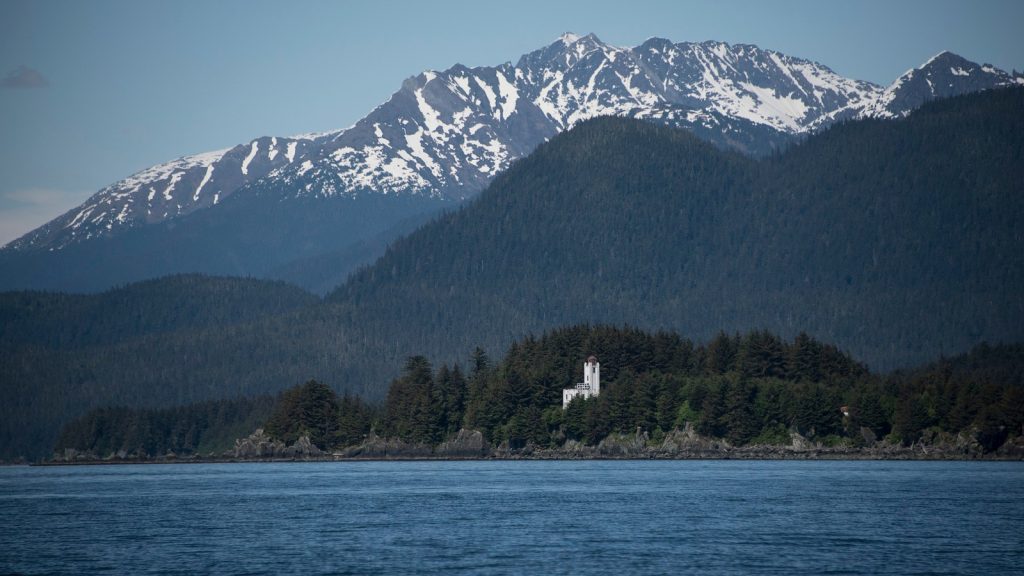
Located in the Andaman and Nicobar Islands, North Sentinel Island is home to the Sentinalese tribe, known for their fierce resistance to outside contact. The Indian government has declared the island off-limits to protect both the indigenous people and their way of life. Access is strictly prohibited, making it one of the most isolated places in the world.
Bouvet Island

This uninhabited island is located in the South Atlantic Ocean and is a Norwegian dependency. Glaciers largely cover Bouvet Island, which serves as a nature reserve. Due to its harsh climate, it has no permanent human residents, and only researchers have limited access.
Snake Island (Ilha da Queimada Grande)
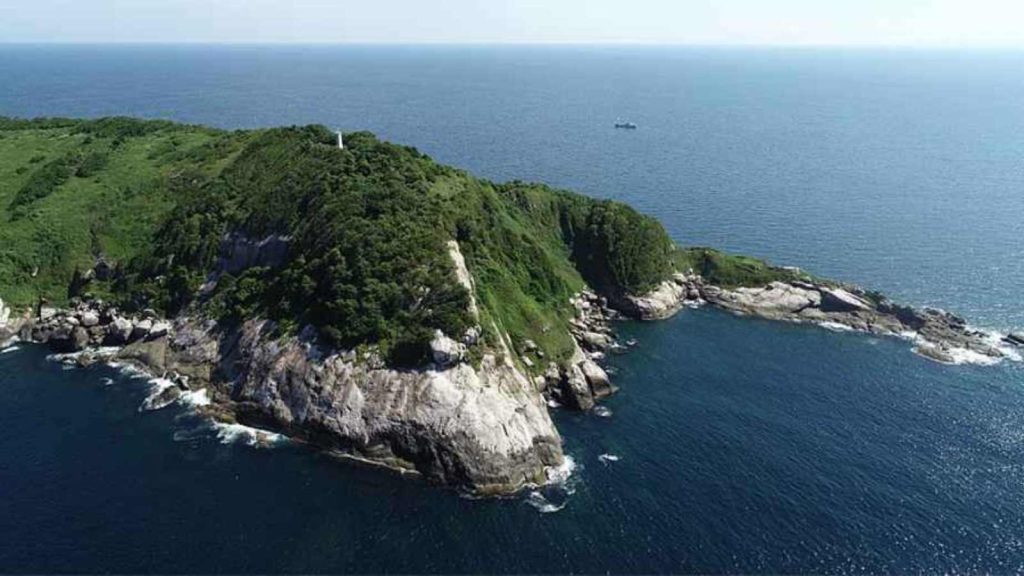
Nestled off the coast of Brazil, Snake Island is infamous for its high population of golden lancehead vipers, which are found nowhere else. The Brazilian Navy enforces a strict ban on visitors to ensure the safety of both humans and serpents. The island remains largely untouched and is a vital refuge for the snake species.
Niihau

Often referred to as “the Forbidden Island,” Niihau is privately owned, and access is restricted primarily to its residents and guests. The island prides itself on maintaining native Hawaiian culture and language. Visitors can experience a vastly different lifestyle, but opportunities to visit are extremely limited.
Heard Island and McDonald Islands

These remote Australian territories are located in the southern Indian Ocean and are primarily uninhabited. Due to their unique ecosystems, the islands are designated as a UNESCO World Heritage site. Access is limited to scientific research, as the hostile weather conditions present considerable dangers.
Surtsey

Born from a volcanic eruption off the coast of Iceland in 1963, Surtsey has been a protected area since its formation. Human access is limited to researchers studying the island’s unique ecological development. The island is a natural laboratory for scientists examining how life colonizes new land.
Sealand

A former World War II offshore fortress, Sealand is now a micronation where access is restricted chiefly to its residents and approved guests. Its unique status and isolated nature attract curious visitors, but maintain a distance from the outside world. Only those with permission can visit this quirky piece of history.
The Pitcairn Islands

The Pitcairn Islands maintain strict entry rules to preserve their culture and environment. Tourism is limited and regulated, so visitors must adhere to community guidelines. The islands uniquely blend history and natural beauty, attracting only a handful of intrepid explorers each year.
Rockall

An uninhabited islet in the North Atlantic, Rockall is surrounded by treacherous waters and is often subject to extreme weather conditions. The area is known for its rich marine biodiversity, but access is discouraged due to its remote and dangerous location. This natural habitat remains largely undisturbed by human presence.
Gruinard Island, Scotland
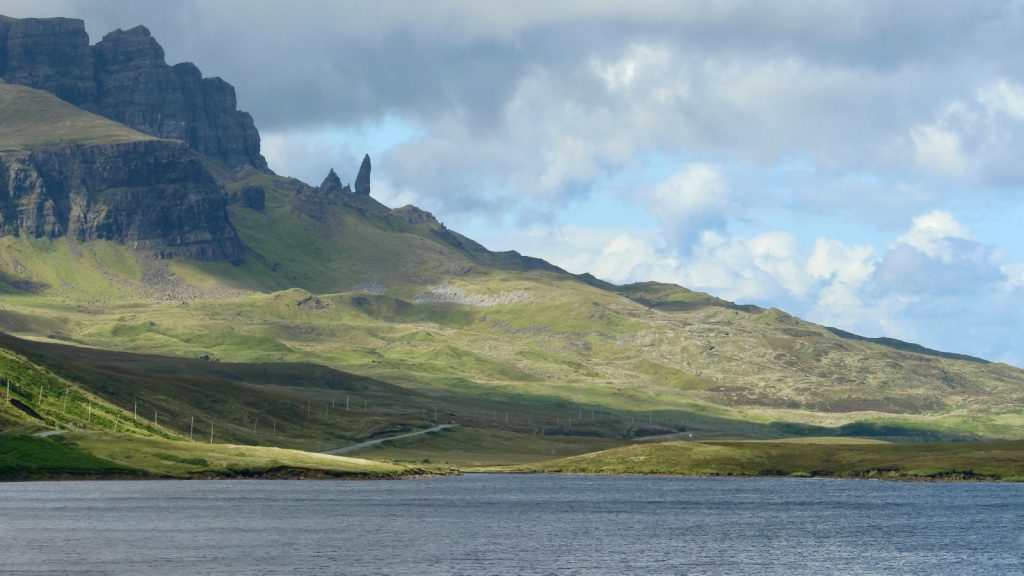
Gruinard Island, famously known as Anthrax Island, is located off the northwest coast of Scotland. Once a site for British military germ warfare testing during World War II, it remains uninhabited and heavily restricted to prevent contamination and preserve public safety.
Antipodes Islands, New Zealand

The Antipodes Islands in the Southern Ocean are a remote, largely uninhabited sanctuary known for their rich birdlife and unique ecosystems. Access to these islands is restricted to preserve their delicate environment and to ensure the protection of native species, making them a hidden gem for wildlife enthusiasts.
The Island of Diego Garcia

Located in the Indian Ocean, The Island of Diego Garcia is a US military base with restricted access to non-military personnel. Despite its controversial history and current use, it remains off-limits to most visitors, leaving its pristine beaches and untouched landscapes secluded from human interference.
Poveglia Island

Poveglia Island, located in the Venetian Lagoon, has a dark history. It once served as a quarantine station and later as a mental asylum. Today, it stands abandoned and haunted by its past, with access restricted, drawing the curiosity of urban explorers and ghost hunters alike.