For homeowners dealing with rat infestations, natural repellents offer a safe, non-toxic approach to keeping these pests at bay. Rats rely heavily on their sense of smell for survival, locating food, identifying danger, and navigating their surroundings.
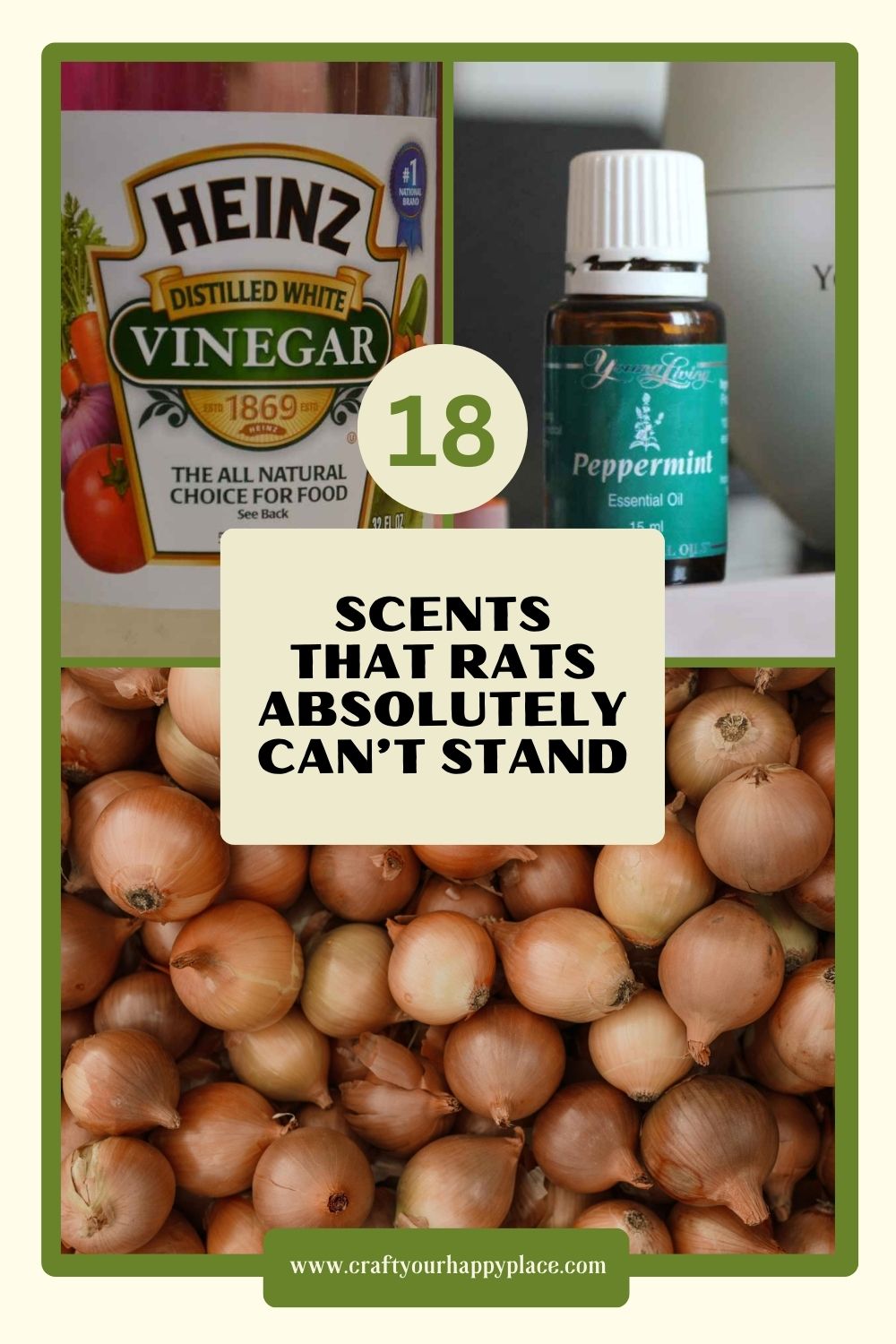
People might think of taking advantage of certain odors that repel the rats. Keep on reading to discover 18 scents that rats absolutely can’t stand.
Peppermint Oil
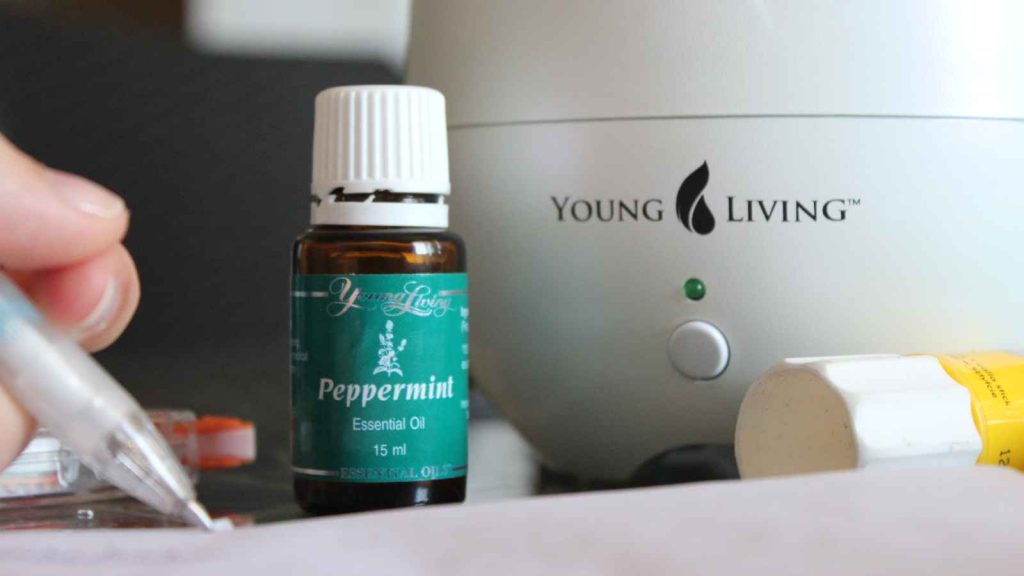
Peppermint oil effectively acts due to its strong, minty smell, which overpowers rats’ sensitive-smelling capability. Rats can’t tolerate this, and it masks the odors of the food sources they could be following.
For the best results, place cotton balls soaked with peppermint oil around areas where rats enter, near doors, windows, and any other ventilation area. Replace these placements after a few days for effectiveness.
Eucalyptus Oil

The smell is one of the most relied upon senses for survival, food sources, navigational cues-so when a rat’s sense of smell is disrupted, as it would be with something like eucalyptus oil, this serves well as a barrier.
Drip some eucalyptus oil onto cotton balls and place them around walls, corners, and attic spaces. Furthermore, eucalyptus oil has antibacterial properties that might help clean the place, making it an all-around product for keeping rats away.
Ammonia

The pungent smell of ammonia is too harsh. It is urine-like, similar to that left by predators, making the environment unbearable for rats. Spraying a watered-down ammonia solution near known rat hideaways or entry points will keep rats away.
Ammonia is most effective in basements, garages, or other areas less frequented by household members and susceptible to rodents.
Vinegar

Vinegar has a powerful, acrid smell that is unbearable for rats. Thus, it is easy and available for house owners to use vinegar. The scent of vinegar disrupts rats’ comfort zone, which interferes with their ability to locate sources of nutrition.
When using it as a repellent, small bowls of undiluted vinegar can be placed in areas where rats are typically visible or cross by. To keep the smell pungent, the vinegar must be replaced every few days to refresh the scent.
Garlic
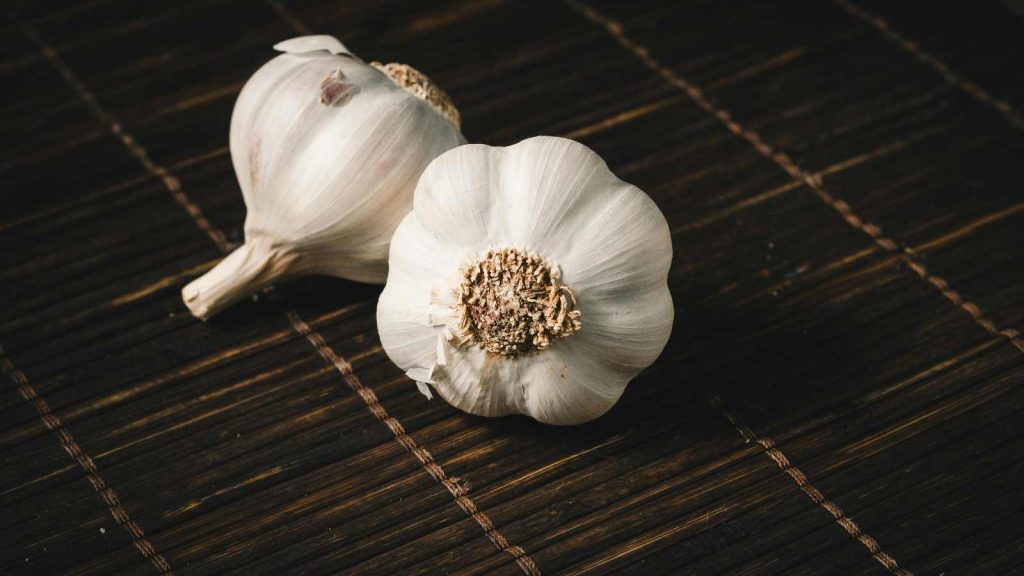
The smell of garlic, like sulfur, repels rats by creating an odor barrier. The ingredients in garlic naturally irritate their refined sense of smell disproportionately. Fresh garlic cloves, garlic powder, or even garlic oil can be used around known places of entry or where rats frequent.
Crushing garlic and mixing it with water can be sprayed in the infested area to create a more potent effect. Generally, rats avoid any space permeated with garlic, a cheap repellent.
Cayenne Pepper

The active ingredient in cayenne pepper is capsaicin. It is hot to the taste and highly pungent in smell to irritate the rat’s respiratory system. Sprinkling cayenne powder along baseboards, under cabinets, or near holes where the rats may enter can provide a formidable barrier.
Cayenne pepper is also an insect repellent against other pests, making it an effective all-around pest control agent. It may be mixed with other spice blends, such as chili powder, for a scent rats will not tolerate and intense effectiveness.
Onion

The pungent smell of fresh onions irritates rats’ noses and overwhelms their senses, deterring their approach. You can locate halves of onions in places that are usually subject to rats, such as basements or garages. Onions tend to spoil, and they do need constant replacement.
Although they are not as effective in larger areas of space because of the speed at which the smell disperses, onions will act effectively in small, enclosed areas where the smell can stay concentrated and actively deter rats from their presence.
Clove Oil

Clove oil is a solid and pungent-smelling oil that rats genuinely despise. This chemical, eugenol in cloves, irritates rats and confuses their capabilities to orient or locate food. To apply clove oil, drop a few drops into cotton balls at various entry points or near where the rats hide, such as under cabinets and sinks.
It is also known for its anti-inflammatory and antibacterial properties; therefore, it is a harmless natural approach to repel rats while benefiting the cleanliness of your house.
Black Pepper

Black pepper is a common spice in the kitchen. When used, it will prove efficient enough to keep rats away. Its pungent and irritating smell to rats’ nasal passages will be enough to keep them away. For maximum effect, sprinkle black pepper on the ground where rats’ activities have occurred.
The smell of black pepper makes the areas unsuitable for the rats. It upsets their olfactory and masks the smell of food, often helping them in their orientation. Black pepper is also safe for pets and kids, making it a household remedy.
Lavender

Lavender is well known to have a sedating effect on humans; for rats, this effect becomes very pronounced. Floral-scented plants have precisely the opposite effect. Dried lavender sachets or lavender essential oil in pantries, closets, or attics will help keep rats away.
Lavender keeps rats away and also leaves a pleasant scent for household members. Refreshing the lavender sachet or new cotton balls with lavender oil from time to time will create a constant line of defense against rats.
Citrus Oils

Rats do not favor fresh, pungent smells like the ones produced by citrus-based oils, such as lemon, orange, or grapefruit. These scents are refreshing to humans but overwhelming to rats, making tolerating spaces treated with citrus oils difficult.
Citrus essential oils can be diluted and used in a spray application around doors, windows, and other access points commonly used by rats. Alternatively, fresh citrus peels may be put around known rat-prone spots. Citrus oils can be versatile in cleaning surfaces to sanitize and keep rats at bay.
Mothballs
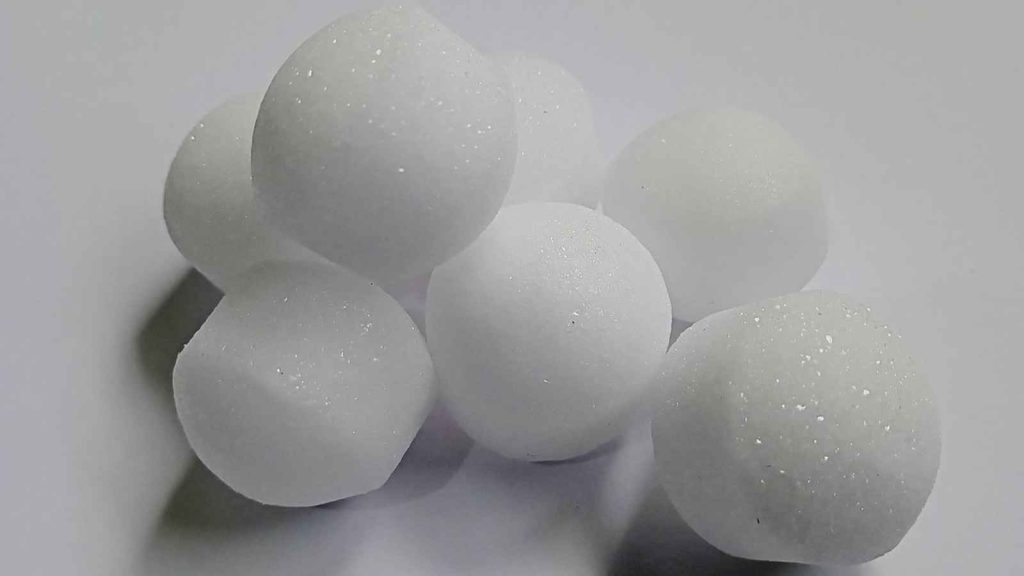
Mothballs have a strong chemical-like smell that is repulsive and even toxic. Placing mothballs in areas of the attic, basement, and garage works well to create a barrier that rats wouldn’t dare cross. However, mothballs should be used rarely because of their toxicity, potentially dangerous for pets and children.
The smell sticks around, so use this more in areas less often accessed. While mothballs are very effective, they are typically used when people want to achieve firm and long-lasting effects.
Tea Tree Oil

Tea tree oil’s medicinal, astringent smell is an all-natural deterrent for rats. Because this essential oil is strong and long-lasting, it effectively prevents rat nesting in any area where it has been applied.
For homeowners, Cotton balls soaked with tea tree oil and placed along baseboards, windows, and other common points of entry that rats use can go a long way in building an impressive rat-deterrent barrier.
Thyme

Thyme’s earthy, somewhat spicy scent interferes with rats’ ability to smell. To deter rats from nesting, fresh thyme sprigs can be set around pantries, basements, and other problem spots.
Thyme provides a non-invasive, organic approach to pest control, and for many, its herbal essence is an agreeable asset to most homes.
Pine Oil

Pine oil has a strong and woody aroma. This oil’s ability to repel rats is achieved by making the environment where the rats will be a bit unbearable. One can spray it on surfaces as it acts as a multi-purpose cleaner to rid the spaces of rats while leaving your rooms fresh.
When subjected to a pine oil scent in areas like the basement, garages, or storage, rats will keep off nesting or entering such areas. In turn, pine oil camouflages the food smells and thus disincentivizes the rats from searching for nutritional sources.
Cinnamon

The firm, pungent smell of cinnamon irritates rats’ respiratory systems, and they avoid areas where the spice has been applied. Cinnamon can be sprinkled along baseboards, in cupboards, or near areas where entry is evident to create a powerful scent barrier.
Alternatively, cinnamon oil can be applied to cotton balls and placed in known hiding spots to amplify its effect. Cinnamon is non-toxic and natural, hence very alluring for homes with kids and pets.
Bay Leaves

Bay leaves have an intense, herbal odor that disrupts the rat’s sense of smell and deters nesting. Dried bay leaves are kept on pantries’ shelves, in the kitchen drawers, and in storage areas to keep away rat activities.
If bay leaves are crushed, the smell gets more extreme and is an added safeguard against rats.
Citronella

Generally known for driving away insects, citronella also has a strong, citrusy smell that keeps rats away from its fumes. It can be put near any window or door in candle form or as an essential oil, or it can be mixed with water and sprayed into potential points of entry.
Citronella has a wide range of applications, including pest control for several types of pests. It is one of the most popular ways to ensure comprehensive pest control in and around the home.