

Central and South America are home to different cultures, landscapes, and ecosystems. However, some areas within these regions face significant violence, crime, and instability challenges. Knowing the most dangerous countries can give travelers, researchers, and policymakers valuable insights.
In this article, we will explore the twelve most dangerous countries in Central and South America and highlight the factors contributing to their rankings. From gang violence to political unrest, these issues shape residents’ daily lives and impact visitors’ safety.
Venezuela

Venezuela has been grappling with severe political and economic turmoil, leading to rampant crime rates. The struggles for power between various factions have contributed to civil unrest, making it one of the most dangerous places in the region. Residents face threats from both gangs and government forces, impacting daily safety.
Honduras

Honduras is notorious for high levels of violence, particularly in urban areas. Gang-related activities, including drug trafficking and extortion, pose significant risks to citizens and visitors alike. The country’s law enforcement struggles to maintain control, further escalating the dangers to the populace.
El Salvador
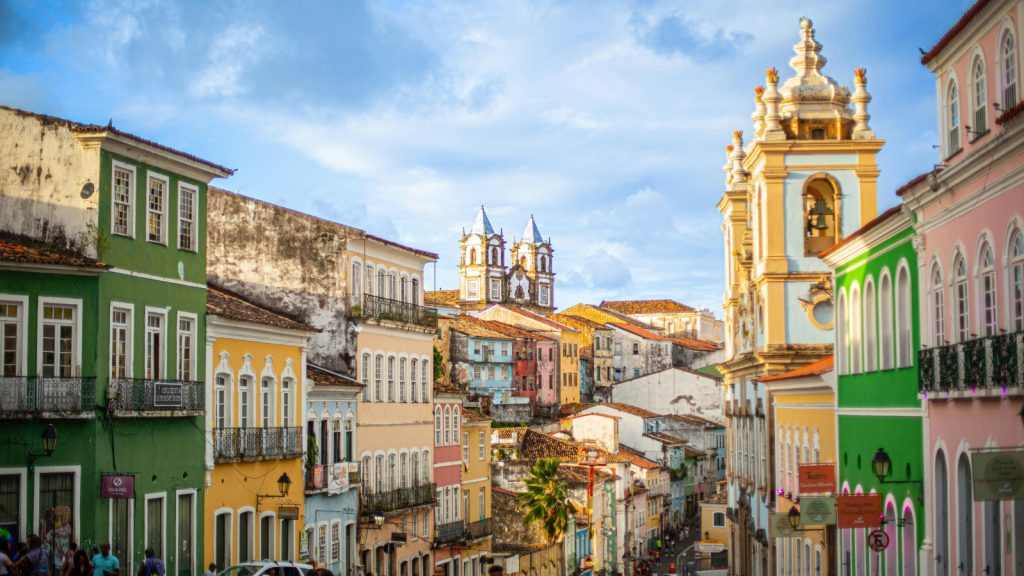
El Salvador has one of the highest homicide rates in the world, driven by gang violence, particularly from groups like MS-13. The government has implemented heavy-handed measures to combat gangs, but violence often continues unabated. This climate of fear affects the quality of life for many citizens.
Guatemala

Guatemala experiences elevated levels of crime, influenced by organized gangs and corruption within law enforcement. The combination of poverty and social unrest has escalated violence in major cities. Efforts to curb crime have faced significant challenges, leaving many areas unsafe.
Colombia

While Colombia has made progress in reducing violence, drug trafficking and guerrilla warfare still contribute to insecurity. Regions affected by organized crime remain particularly vulnerable. The lingering effects of decades of conflict continue to impact the safety and stability of residents.
Mexico

Mexico faces widespread violence connected to drug cartels and organized crime. Cities often struggle with turf wars, resulting in high homicide rates and a general sense of lawlessness. Tourists are frequently cautioned to avoid certain areas due to safety concerns.
Brazil

Brazil’s favelas can be hotspots for crime and violence, with gang rivalries often resulting in deadly confrontations. Despite its vibrant culture, certain urban areas experience significant challenges related to drug trafficking. Police efforts to restore order are complicated by corruption and lack of resources.
Jamaica

Jamaica has highs and lows in tourism, with certain areas plagued by gang violence. While many regions are safe, some neighborhoods present dangers related to organized crime. Travel advisories often highlight the need for caution when visiting specific locales.
Paraguay

Though often overlooked, Paraguay is not without its dangers, particularly concerning drug trafficking and organized crime. Criminal groups may influence some rural areas, impacting safety for locals and visitors. Awareness of local issues is vital for those traveling to Paraguay.
Peru

Peru faces issues with crime in major cities, particularly in pickpocketing and theft. The nation is rich in history and culture, but tourists should remain vigilant, especially in crowded areas. The country also contends with narco-trafficking, adding another layer of complexity to security concerns.
Nicaragua

Nicaragua has been affected by political strife, leading to sporadic violence and civil unrest. In addition to political tensions, crime rates have also risen in certain areas. Tourists should stay informed about local conditions to ensure their safety during visits.
Bolivia

Bolivia has experienced political and social unrest, leading to violent protests and clashes with police. Though not as prevalent as in other countries on this list, crime rates have also increased. Visitors should be aware of potential risks when traveling to Bolivia.