
A garden can look great without turning weed pulling into a weekly chore. One way to cut down on unwanted growth is to choose plants that spread across bare soil and leave little room for weeds to get started.
Some ground covers grow into thick mats, while others form dense clumps or spread through runners. They can shade the soil, compete for space, and help keep exposed areas covered. Many also bring flowers, foliage, or wildlife value to the garden.
These plants won’t eliminate every weed. New weeds can still appear, especially around young plants or in open patches of soil. But once the right plants fill in, you’ll have fewer bare spots for weeds to take advantage of.
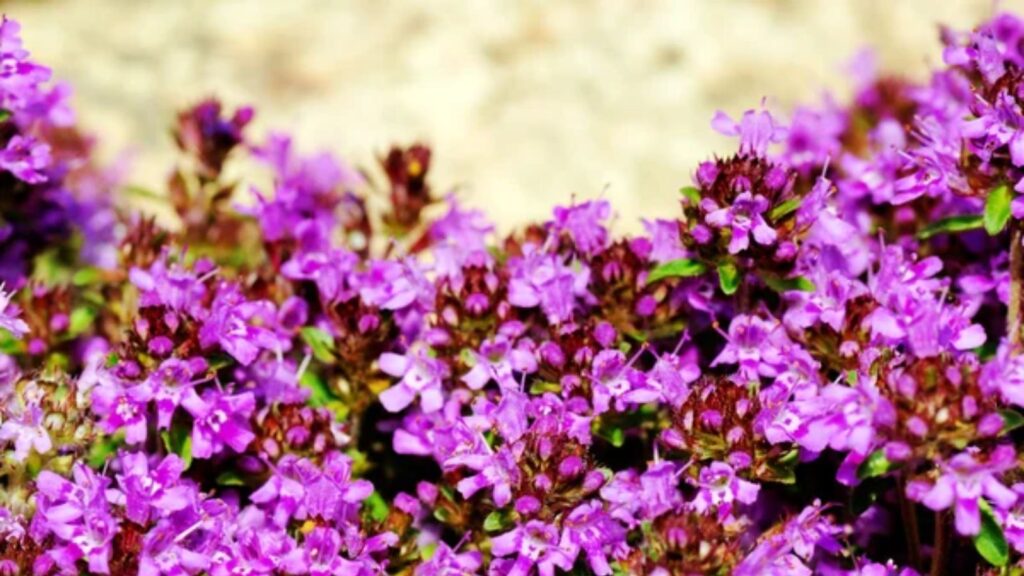
Creeping Thyme
Creeping thyme is a tough, low-growing ground cover that works well in sunny spots. As it spreads, it forms a tight mat over the soil, leaving less exposed ground where weed seeds can sprout.
It also handles dry conditions once established, making it a practical choice for areas that don’t receive much supplemental water. Tiny flowers appear during the growing season and attract bees and other pollinators.
Plant it between stepping stones, along pathways, around rocks, or anywhere you want low-growing coverage. Its leaves also release a pleasant herbal scent when walked on.
Related: 14 Indoor Plants Believed to Attract Good Energy
Yarrow
Yarrow is a hardy perennial that can handle poor soil, heat, and dry conditions. Its finely divided foliage grows into a thick mass that shades the soil and makes it harder for weeds to find room.
Flat clusters of flowers rise above the foliage during summer and can attract beneficial insects. Yarrow also develops a deep root system, which can help hold soil in place.
It works particularly well in sunny areas where other plants may struggle. Once established, it generally needs little watering.
Lamb’s Ear
Lamb’s ear is easy to recognize by its soft, silvery leaves. The low-growing plant spreads outward and can cover bare soil around garden borders, pathways, and rock gardens.
Its dense foliage takes up space that weeds might otherwise occupy. Lamb’s ear also handles dry soil well and is often resistant to deer browsing.
Give it plenty of sun and soil that drains well. Avoid planting it in areas that stay wet, since excess moisture can lead to root problems.
Related: 15 Gorgeous Native Plants to Grow Around Your Home
Azalea
Azaleas can help shade the soil beneath and around their branches as they mature. Their dense growth reduces the amount of sunlight that reaches the ground, which can make conditions less favorable for some weeds.
These flowering shrubs prefer acidic, well-drained soil and often perform well beneath taller trees where they receive filtered light. Depending on the variety, flowers can appear in shades of pink, red, purple, white, orange, and yellow.
Azaleas are a good choice for woodland-style beds where you want a shrub that provides both flowers and plenty of foliage.
Green-and-Gold
Green-and-gold is a low-growing perennial that spreads along the soil and fills open areas with green foliage. Small yellow flowers appear in spring, creating a cheerful display before the foliage takes over again.
It can grow in partial shade and handles a range of soil types, including sandy and clay soils. Once established, it can spread enough to cover bare patches and reduce the space available to weeds.
Try it beneath trees, along garden borders, or in areas where grass has trouble growing.
Bugleweed
Bugleweed is a fast-spreading ground cover with foliage that hugs the soil. Its dense growth can block sunlight from reaching young weeds, making it useful for filling large areas.
In spring, spikes of blue, purple, pink, or white flowers rise above the leaves, depending on the variety. Bugleweed tends to prefer moist soil and partial shade, making it useful for spots where sun-loving ground covers may struggle.
It can spread aggressively under the right conditions, so keep an eye on it and give it enough space.
Related: 10 Beautiful Plants That Also Keep Garden Pests Away
Sweet Woodruff
Sweet woodruff is a classic shade-loving ground cover. Its small white flowers appear in spring, while its green foliage spreads across the soil beneath trees and shrubs.
As the plant fills in, there are fewer exposed areas where weeds can take hold. It prefers moist, well-drained soil and is especially useful in woodland and shade gardens.
The foliage has a sweet scent when dried or crushed, which adds another reason gardeners enjoy keeping this plant around.
Crimson Clover
Crimson clover can work as a temporary ground cover while also adding nutrients to the soil. Its fast growth creates a thick layer of foliage that shades the ground and competes with emerging weeds.
The tall crimson flower heads are attractive to bees and other pollinators. Like other legumes, crimson clover can also fix nitrogen with the help of soil bacteria.
It’s often grown as a cover crop between planting seasons, though it can also be used in parts of an ornamental garden where its flowers fit the design.
Carex
Carex, commonly called sedge, includes many different varieties with different preferences for sun, shade, moisture, and soil.
Many types form dense clumps that cover the soil and leave less room for weeds. Foliage can range from deep green to golden or bronze, giving gardeners plenty of choices for different planting areas.
Some sedges prefer consistently moist soil, while others handle dry conditions. Check the needs of the variety you’re buying before planting it.
Carex works well beneath trees, along pathways, around ponds, and in garden borders.
Related: 14 Garden Plants That May Trigger Allergy-Related Breathing Problems
Creeping Phlox
Creeping phlox creates a low, spreading mat of foliage that can cover slopes, rock gardens, and sunny borders. In spring, the foliage is covered with clusters of pink, purple, white, or other colorful flowers, depending on the variety.
The dense growth leaves little exposed soil once the plant fills in, helping reduce opportunities for weeds.
Creeping phlox prefers plenty of sunlight and soil that drains well. It’s particularly useful on slopes where its spreading habit can help cover bare ground.
Clematis
Clematis is best known as a flowering vine, but some types can also spread across the ground if given room. Its stems and foliage can cover open soil and shade weeds underneath.
The flowers are the main attraction, with varieties available in many colors and flower shapes. Clematis generally prefers its roots to stay cool and shaded while the upper growth receives sunlight.
If you’re using clematis near other plants, give it enough room to spread without smothering its neighbors.
Creeping Mazus
Creeping mazus is a small evergreen ground cover that spreads quickly across the soil. Its compact growth makes it useful for filling spaces around stepping stones, along pathways, and at the edges of garden beds.
Small purple, blue, or white flowers appear during spring and summer, depending on the variety. The plant can handle light foot traffic, making it a practical choice for areas where people occasionally walk.
Creeping mazus prefers moist, well-drained soil and can remain evergreen in mild climates. Once it fills in, the dense foliage helps keep bare soil covered and gives weeds fewer open spots to occupy.
Choosing plants that naturally cover the soil can make weed control a little easier. Give each plant the conditions it prefers, allow it time to fill in, and keep an eye on aggressive spreaders. A well-planted garden can leave much less room for weeds while still giving you flowers, foliage, and habitat for pollinators.