
Keeping insects and other garden pests under control doesn’t always mean reaching for chemical sprays. Many plants naturally discourage unwanted visitors while attracting bees, butterflies, and other helpful insects. They also add color, fragrance, and texture, making your garden healthier and more enjoyable.
Adding a few pest-repelling plants to your flower beds or vegetable garden is an easy way to protect your crops while creating a more balanced outdoor space. Here are 10 plants that can help keep common garden pests away.
Marigolds
Marigolds are among the most popular companion plants for vegetable gardens, and for good reason. Their bright blooms add plenty of color, while their strong scent helps discourage nematodes and several insect pests.
Many gardeners plant marigolds around tomatoes, peppers, beans, and other vegetables to create a natural barrier against unwanted bugs. They’re easy to grow and bloom throughout much of the season.
Related Article: 12 Common Garden Plants That Are Surprisingly Poisonous
Lavender
People love the calming fragrance of lavender, but mosquitoes, moths, and fleas aren’t nearly as fond of it.
This hardy perennial also attracts bees and butterflies, making it a valuable addition to pollinator gardens. Plant lavender along walkways, borders, or near seating areas where you can enjoy its scent while helping reduce insect activity.
Basil
Basil does more than add fresh flavor to your favorite recipes. Its strong aroma can help keep flies and mosquitoes away, making it useful both in the garden and near patios.
It’s also an excellent companion plant for tomatoes. Many gardeners believe growing basil nearby can help improve tomato growth while discouraging certain pests from settling in.
Related Article: 15 Common Outdoor Plants That Can Cause Skin Reactions
Mint
Mint’s refreshing scent is pleasant to people, but many insects prefer to stay away. It can help discourage ants, aphids, and a few other common garden pests.
Since mint spreads very quickly, it’s usually best to grow it in containers or raised beds where it won’t take over the garden. This allows you to enjoy its benefits without constantly pulling unwanted runners.
Rosemary
Rosemary’s woody stems and fragrant leaves make it both attractive and practical. The plant is often grown to help discourage mosquitoes and carrot flies while providing fresh herbs for the kitchen.
It grows well in garden beds, containers, and along sunny borders, making it an easy choice for many landscapes.
Related Article: 15 Ground-Hugging Plants That Create Gorgeous Garden Borders
Chives
Chives are another herb that works double duty. Their onion-like scent helps discourage aphids and Japanese beetles, while their purple flowers attract bees and other pollinators.
Planting chives throughout your vegetable garden or along the edges of raised beds can help reduce pest problems while adding fresh herbs to harvest throughout the season.
Petunias
Petunias bring plenty of color to flower beds, but they’re also known for helping discourage insects like asparagus beetles, leafhoppers, and tomato hornworms.
They’re often planted near vegetables because they offer both beauty and a little extra protection. Their long blooming season makes them a reliable choice for gardens that need continuous color.
Related Article: 12 Deer-Resistant Plants That Help Protect Your Garden
Garlic
Garlic’s strong smell is one reason many insects avoid it. It can help discourage aphids, spider mites, and several other pests that commonly feed on vegetables.
Growing garlic alongside lettuce, spinach, cabbage, or other leafy crops may help reduce insect damage while giving you a fresh harvest to enjoy later in the season.
Nasturtiums
Nasturtiums are favorites among gardeners because they work as a trap crop while also helping discourage pests like aphids, whiteflies, and squash bugs.
Their bright flowers attract pollinators, and both the flowers and leaves are edible with a slightly peppery flavor that works well in salads. They’re just as useful as they are attractive.
Catnip
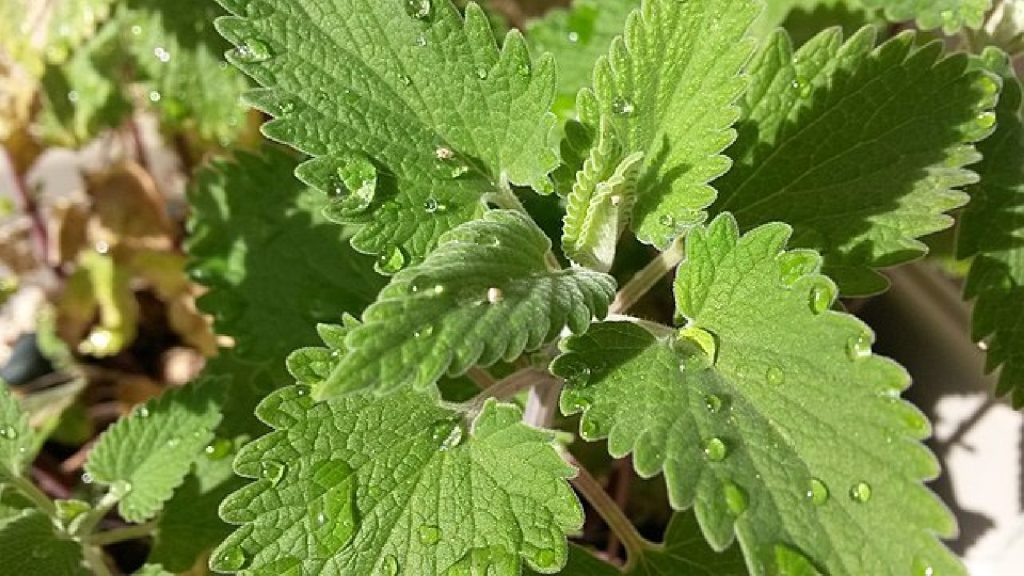
Catnip contains natural oils that are known to repel mosquitoes, cockroaches, and several other insects. While cats may be drawn to it, many garden pests tend to avoid it.
Plant catnip in a sunny location where it has room to grow. Its fragrant leaves can help reduce insect activity while adding another useful herb to your garden.