Plants often bring color, fragrance, and life to our homes and gardens. Many are grown for their beauty, while others are valued for their traditional uses in herbal remedies. But some plants that look harmless can actually be dangerous if touched or eaten.
These toxic plants may already be growing in your yard, flower beds, or even inside your home. Knowing which ones to watch for can help protect children, pets, and visitors.
Here are some common poisonous plants you might find in a garden.
Daffodils
Daffodils are one of the first flowers to appear in spring, with their bright blooms and cheerful appearance. Despite their beauty, every part of the plant contains toxins, with the highest concentration found in the bulbs.
Eating daffodil bulbs, leaves, or stems can cause nausea, vomiting, stomach pain, and diarrhea. Large amounts may lead to more serious health problems, including heart-related issues.
Azaleas
Azaleas are popular flowering shrubs that add plenty of color to gardens. They contain grayanotoxins, which can be harmful if the plant is eaten.
Consumption can cause symptoms such as vomiting, weakness, drooling, stomach upset, and in severe cases, loss of coordination or coma. Pets are also at risk if they chew on azalea leaves or flowers.
Related Article: 10 Everyday Items That Actually Kill Your Garden Soil
Lily of the Valley
With its small white bell-shaped flowers, lily of the valley looks delicate and harmless. In reality, it contains compounds called cardiac glycosides that can affect the heart.
Eating any part of this plant may lead to symptoms such as nausea, vomiting, irregular heartbeat, and serious heart complications.
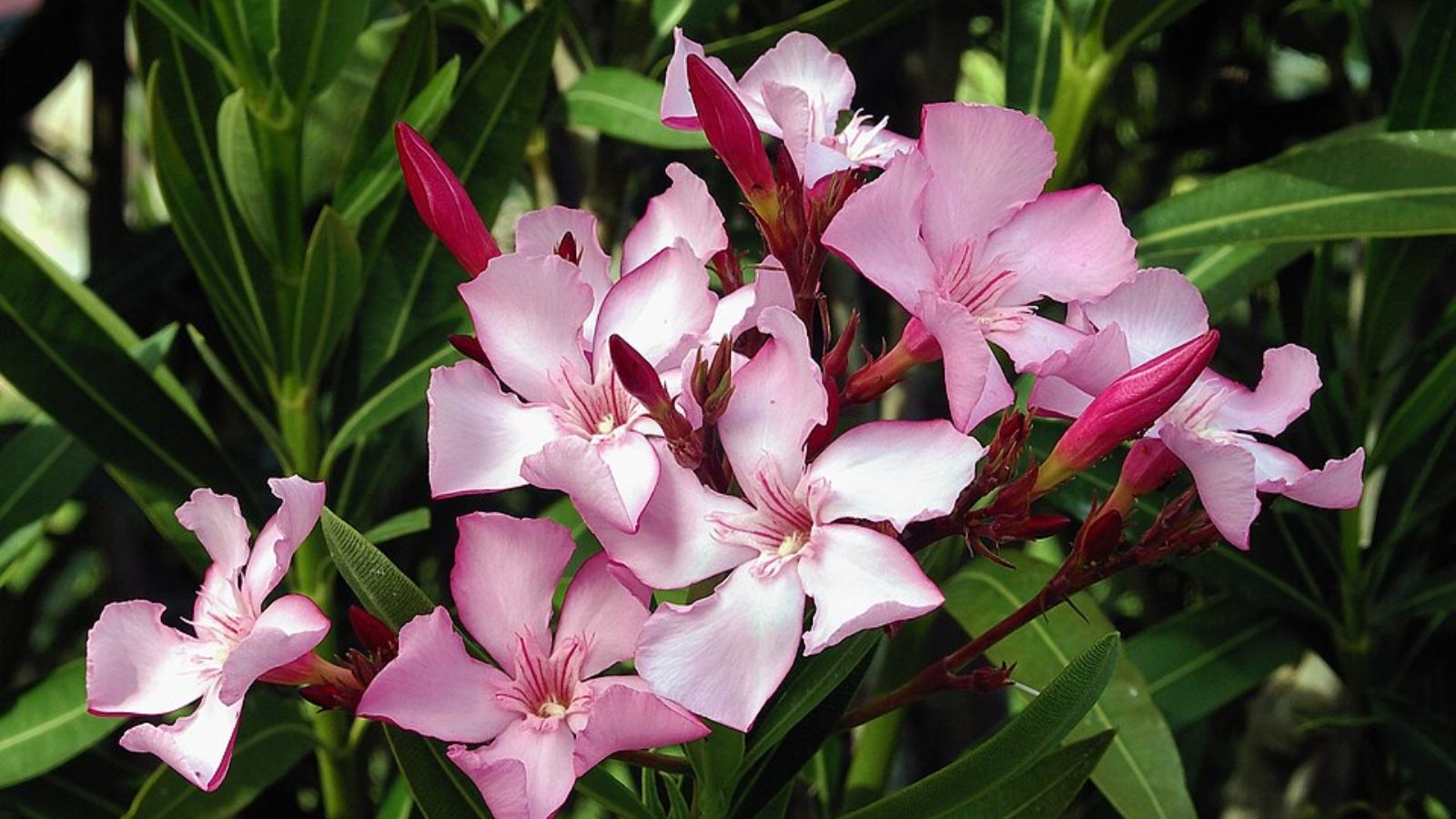
Oleander
Oleander is often planted as an ornamental shrub because of its colorful flowers and ability to grow in many conditions. Unfortunately, every part of the plant is highly toxic.
The plant contains chemicals that can interfere with heart function. Even small amounts can cause dangerous symptoms, including irregular heartbeat, dizziness, and severe illness.
Foxglove
Foxglove is known for its tall flower spikes and beautiful bell-shaped blooms. It is a favorite in many cottage-style gardens, but it contains powerful compounds that affect the heart.
If eaten, foxglove can cause nausea, vomiting, confusion, dizziness, and potentially life-threatening heart problems.
Related Article: 12 Garden Plants That Help Prevent Weeds From Taking Over
Rhubarb
Rhubarb stalks are commonly used in pies, jams, and desserts, but the leaves are a different story. They contain oxalic acid and other compounds that can be harmful if consumed in large amounts.
Eating rhubarb leaves may cause stomach problems and, in severe cases, kidney-related complications.
Castor Bean Plant
The castor bean plant is known for its large leaves and attractive seeds, but it is considered one of the most toxic plants commonly grown in gardens.
Its seeds contain ricin, a highly dangerous toxin. Swallowing even a small amount can cause serious illness, especially in children and pets.
Yew
Yew trees are evergreen plants often used in landscaping because they stay green throughout the year. While they may look like ordinary shrubs, most parts of the plant contain toxic compounds.
The seeds and leaves can be dangerous if eaten, and poisoning may affect the heart and nervous system.
Related Article: 10 Pest Control Myths That Are Making Your Garden Vulnerable
Yarrow
Yarrow is a flowering herb often grown in gardens and used in traditional remedies. While it has a long history of use, it can still cause problems for some people.
Contact with the plant may irritate the skin, and eating large amounts can lead to digestive discomfort or other reactions.
Poison Hemlock
Poison hemlock is a highly toxic plant that can be mistaken for harmless wild plants such as parsley or other similar-looking greens.
Every part of this plant contains coniine, a toxin that affects the nervous system. Ingesting it can cause muscle weakness, breathing problems, and potentially death.
Morning Glory
Morning glories are popular climbing vines with colorful flowers that open in the morning. While they make attractive garden additions, their seeds contain compounds that can cause harmful effects if eaten.
Ingesting the seeds may lead to nausea, dizziness, confusion, or hallucination-like symptoms.
Iris
Irises are admired for their colorful flowers and are commonly found in gardens and floral arrangements. Still, parts of the plant contain compounds that can be harmful.
Eating iris leaves, roots, or other parts may cause vomiting, diarrhea, and stomach irritation. Some people may also experience skin reactions after handling the plant.
Before adding new plants to your garden, it is worth checking whether they are safe around your household. A little research can help you create a beautiful outdoor space without accidentally bringing in plants that may put people or pets at risk.