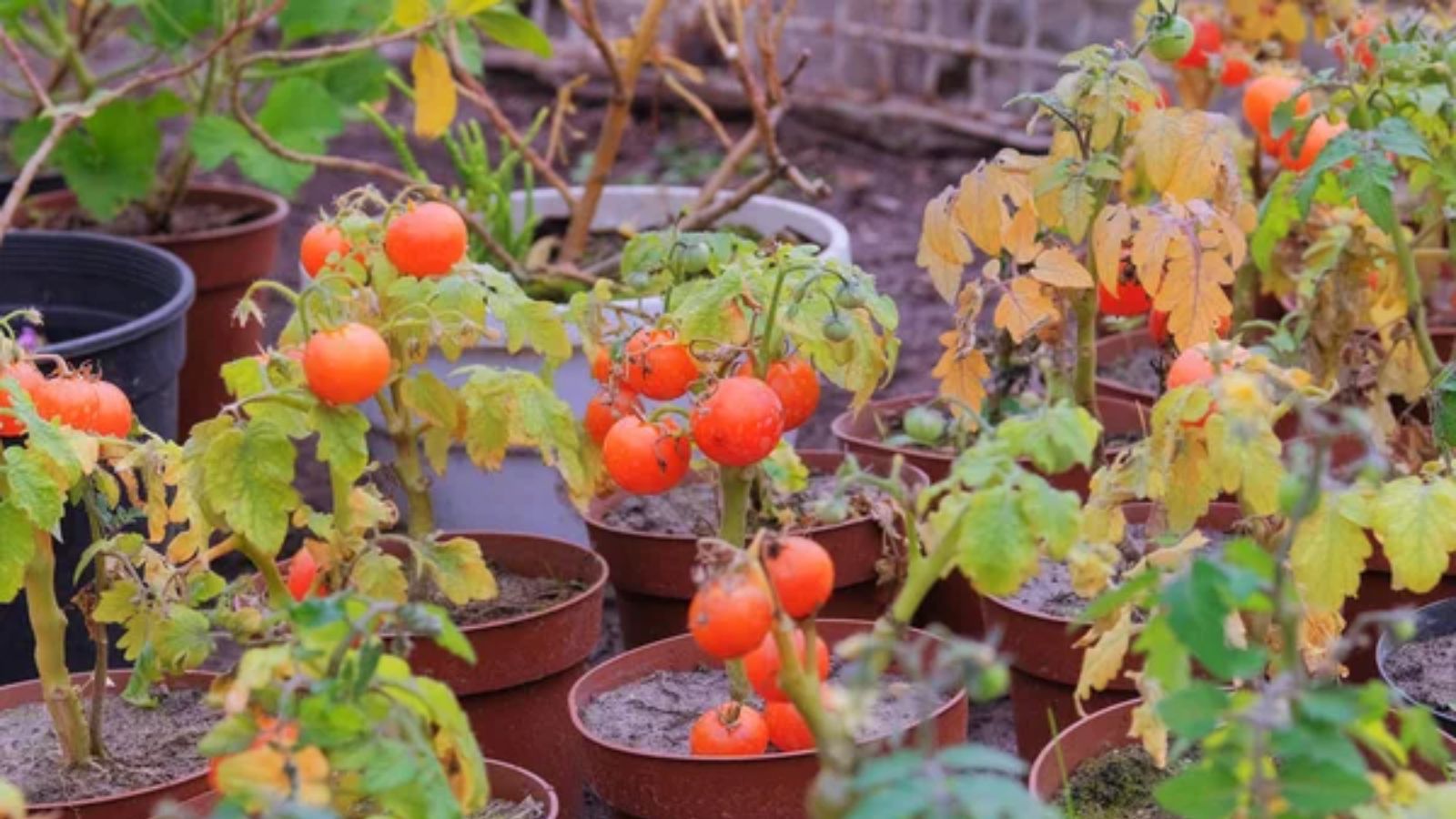
Growing tomatoes in containers is a great option for gardeners who have limited outdoor space. A sunny balcony, patio, or small backyard can provide enough room to grow fresh tomatoes right at home. With the right care, container-grown tomato plants can produce a generous harvest throughout the growing season.
While tomatoes are fairly easy to grow, container gardening comes with a few challenges. Small mistakes with watering, soil, sunlight, or plant care can affect the health of your plants and the amount of fruit they produce.
Here are some common tomato-growing mistakes to avoid if you want healthy plants and a better harvest.
Choosing a Container That Is Too Small
Tomato plants need plenty of room for their roots to grow. Using a small pot can limit root development, leaving the plant stressed and unable to produce as many tomatoes.
Choose a container that is at least 18 inches wide and around 24 inches deep for most tomato varieties. Larger containers hold more soil, provide better moisture control, and give roots more space to spread.
Related Article: How to Keep Tomatoes From Splitting Before They’re Ready to Pick
Adding Too Much Nitrogen
Nitrogen helps plants grow leaves and stems, but too much can create a problem. A tomato plant may become large and leafy while producing very few tomatoes.
Use a fertilizer made for tomatoes or one with a balanced mix of nutrients. Following the recommended amount on the package can help prevent excessive leaf growth at the expense of fruit.
Overwatering the Plants
Tomatoes need regular water, especially when grown in containers, since pots dry out faster than garden soil. Still, giving them too much water can cause problems like root rot and fungal diseases.
Water deeply when the top layer of soil feels dry, and adjust your watering routine based on the weather. Hot, sunny days may require more frequent watering than cooler conditions.
Using Containers With Poor Drainage
Good drainage is just as important as proper watering. If excess water has nowhere to escape, tomato roots can become damaged.
Choose containers with drainage holes at the bottom and use quality potting soil that allows water to move through while still holding enough moisture for the plant.
Placing Tomatoes in Too Little Sunlight
Tomatoes love sunlight and need plenty of it to grow strong and produce fruit. A container placed in a shady area may result in weak stems, slow growth, and fewer tomatoes.
Pick a location that receives at least six to eight hours of direct sunlight each day for the best results.
Skipping Pruning
Many gardeners forget that tomato plants sometimes need a little maintenance. Removing small shoots, often called suckers, can help improve airflow and prevent the plant from becoming too crowded.
Pruning also allows the plant to put more energy into producing tomatoes instead of growing unnecessary branches.
Growing the Wrong Tomato Variety
Not every tomato plant is a good match for container gardening. Some varieties grow extremely tall and require a lot of space and support.
Determinate tomatoes are often a good choice for pots because they stay more compact and produce fruit within a shorter period. Indeterminate varieties can also grow in containers, but they usually need larger pots and stronger supports.
Ignoring Pests
Tomato plants can attract unwanted visitors like aphids, whiteflies, and tomato hornworms. Small pest problems can quickly become serious if they are ignored.
Check your plants regularly for damaged leaves, unusual spots, or insects. Catching problems early makes them much easier to manage.
Failing to Support the Plant
Even container tomatoes need support as they grow. Heavy branches filled with fruit can bend, break, or touch the ground without proper support.
Use tomato cages, stakes, or small trellises to keep plants upright. Supporting the plant also improves airflow around the leaves and fruit.
Forgetting to Check Plants Regularly
Tomatoes need regular attention, even if they are grown in small containers. A quick check every few days can help you spot signs of pests, disease, or nutrient problems before they become harder to fix.
Pay attention to leaf color, growth patterns, and soil moisture. Small adjustments along the way can help your tomato plants stay healthy and productive.
Growing tomatoes in containers can be rewarding and enjoyable. By avoiding these common mistakes and giving your plants the care they need, you can enjoy fresh, homegrown tomatoes even without a traditional garden.