

Slow drains are a common problem in many households. They cause frustration and inconvenience when sinks, tubs, or showers take longer to empty than they should. Over time, clogs can be built up by grease, soap scum, hair, or food debris, which results in even slower drainage or blockage.
A UK Drainage Habits 2022 Survey found that 97% of people worry about the impact of putting the wrong items down drains and toilets, and 65% admit to pouring fat and oil down the sink. 11% report doing this after every meal, and another 11% do so three or more times daily.
Although chemical drain cleaners work well as a quick fix, their harsh ingredients can corrode pipes and harm the environment. Fortunately, practical, eco-friendly ways exist to restore proper flow and keep drains in top condition. Read on to find out how to fix a slow drain!
Baking Soda and Vinegar

One classic mixture to unclog slow drains involves baking soda and vinegar. Mixed, they create a fizzy chemical reaction that can help break down grease, soap scum, and organic debris. According to Good Housekeeping, this mixture works because baking soda is mildly abrasive and works well with vinegar’s acidity.
Pour one cup of baking soda into the drain, followed by one cup of vinegar. Next, cover the drain and allow the action to take place for about 15–20 minutes, then flush it down with boiling water to allow the loosened debris to be cleared.
Boiling Water

Boiling water is an effective method for fixing slow drains caused by grease and soap residue. Hot water will help dissolve the fats and oils that congeal in pipes. Bring a pot of water to a boil and pour it down the drain in stages, allowing the heat to reach deeper clogs.
This is very effective for metal pipes but is best avoided with PVC pipes, as high heat will weaken the plastic. For worse blockages in your drains, adding dish soap or salt to boiling water may yield better results.
Salt and Hot Water

Salt is an organic abrasive that scrubs debris that may attach to the interior of pipes. Hot water dissolves grease and clears minor blockages. Guardian Home Experts say salt can impede bacterial and fungal growth, making it a good option for maintaining hygiene in your drain.
Pour half a cup of salt into two cups of hot water to dissolve, then pour it into the slow drain. Follow with hot water to help flush the debris down the pipes.
Dish Soap and Hot Water

Dish soap is designed to cut through grease and is a great option for slow-draining kitchen sinks. Grease and oil often solidify along the interior of pipes, building up blockages over time. Mix two tablespoons of dish soap in a pot of boiling water and slowly pour it down the drain.
Consumer Reports recommends this method as a good approach to handling grease clogs without damaging the pipes. If the blockage is not easy to remove, combine this with a plunger to eliminate deeper blockages.
Lemon Juice
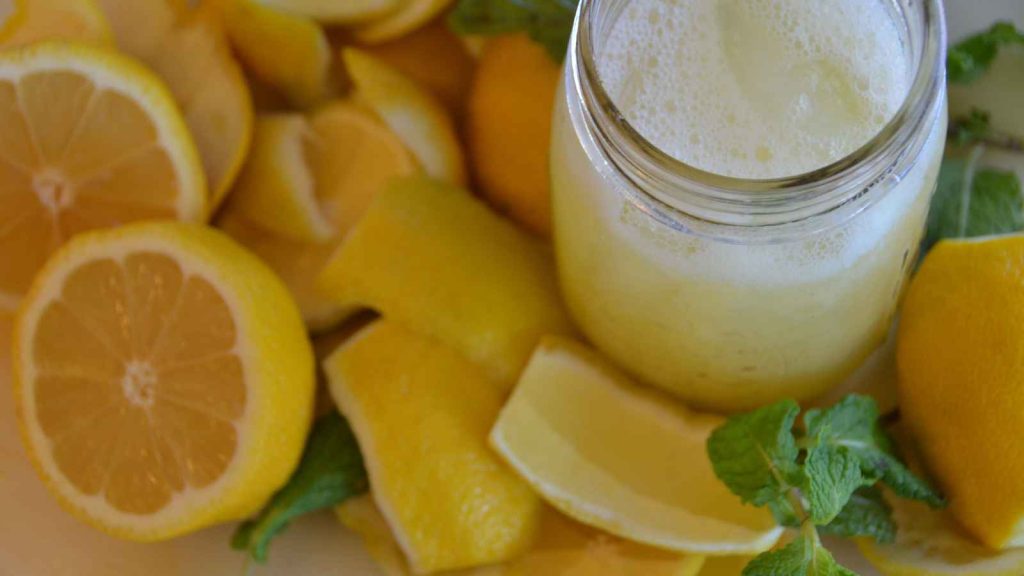
Lemon juice is a practical, nature-friendly means of tackling the problem of slow drains and leaves behind a fresh citrus scent. Its high content of citric acid makes it effective in dissolving mineral deposits, soap scum, and light grease clogs.
FS Group touts lemon juice as a non-corrosive alternative to chemical cleaners, especially for frequently used drains. Pour one cup of baking soda down the drain, add half a cup of freshly squeezed lemon juice, sit for 15 minutes, then rinse with boiling water to clear the pipes.
Plunger

Plungers are handier mechanical tools that are easy and powerful ways of dislodging clogs. In action, they create pressure that could advance blockages through the pipe or pull them up to be removed. Sinks require a cup-style plunger and enough water in the drain opening to provide an airtight seal.
Plunge aggressively for 10-15 seconds, and then see if the water flows freely. National Property Inspections recommends plungers as a primary weapon before using chemicals or other home remedies.
Wire Hanger

A straightened wire hanger is an effective tool for manually removing hair and debris in bathroom drains. Hair accumulation is pretty standard in showers and sinks, and they most always trap soap scum inside to make the drainage worse.
Straighten it and bend one end into a small hook; insert it carefully into the drain and pull out blockages. According to Today, this works for homeowners with minor clogs. After clearing the blockage, use hot water to rinse the drain and clear any remaining residue.
Wet/Dry Vacuum

A wet/dry vacuum offers strong suction to help dislodge or remove clogs. The wet setting is ideal for clogs caused by waterlogged debris, while the dry setting can remove dry blockages closer to the drain’s surface.
Integrated Professional Cleaning recommends sealing the drain opening with a rubber attachment to ensure maximum suction. Turn the vacuum high for a few seconds, then check if the clog has cleared. This is particularly ideal for larger blockages or hair tangles in bathroom drains.
Hydrogen Peroxide

Hydrogen peroxide is a strong oxidant that can dissolve organic matter in the drain. It simply reacts with debris to deconstruct it while disinfecting the interior of the pipes. The Environmental Protection Agency recommends 3% hydrogen peroxide for safe home cleaning.
Mix half a cup of hydrogen peroxide with one cup of baking soda, pour the mixture into the drain, and let it foam for 15 minutes. Flush with hot water to sterilize the drain and clear the loosened debris.
Enzymatic Cleaners

Enzymatic drain cleaners use natural bacteria to break down organic waste, such as grease, soap scum, and food particles. Unlike chemical cleaners, enzymatic cleaners are harmless to pipes, septic systems, and the environment.
Enzyme Wizard found that these effectively maintain drain health and prevent clogs. Pour the product into the drain and let it sit overnight to allow the enzymes to work. Regular use of enzymatic cleaners can also help prevent odors and buildup over time.
Coca-Cola

Coca-Cola’s phosphoric acid content makes it an unconventional but effective solution for dissolving light clogs. Its acidity can help loosen mineral deposits and grease blockages.
Pour one can of Coca-Cola into the drain and let it sit for at least one hour. Follow up with hot water to flush out the debris.
Alka-Seltzer Tablets and Vinegar

Alka-Seltzer tablets are composed of citric acid and baking soda, which form a fizzing reaction when mixed with vinegar. This reaction loosens light debris and deodorizes drains.
Place two Alka-Seltzer tablets down the drain, followed by one cup of vinegar. Allow the mixture to fizz for 10–15 minutes, then rinse with boiling water.
Cream of Tartar

Cream of tartar combined with baking soda and salt makes a mildly abrasive mixture to clean pipes. It works well for metal pipes, as it does not rust them.
Combine a quarter cup of tartar cream with a cup of baking soda and salt. Pour the dry mixture down the drain and boil water to clear light buildup.
Bleach
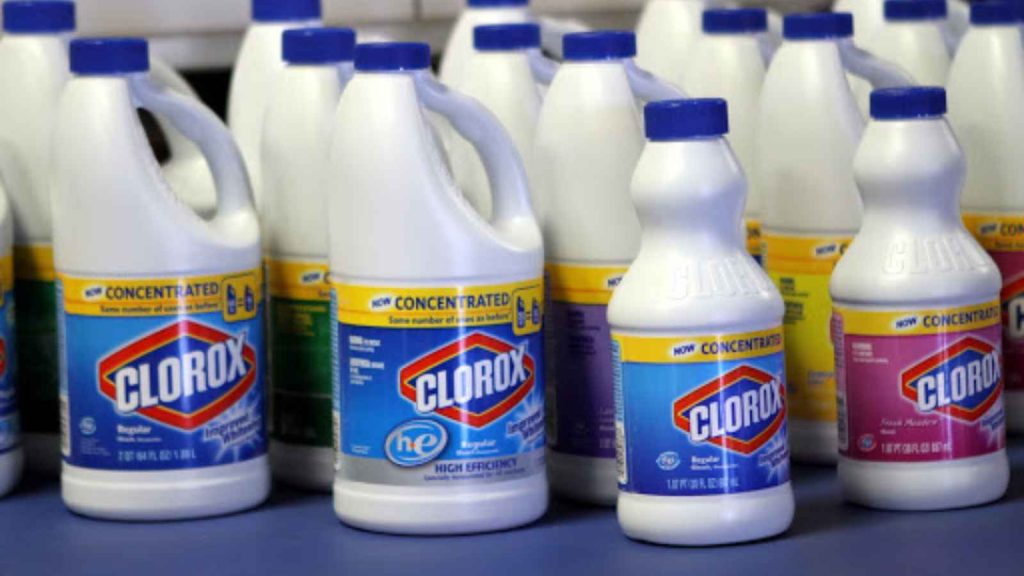
Bleach will break down organic material and kill bacteria that contribute to the slow draining of your drains. It must, however, be handled so as not to damage your pipes or cause unsafe fumes. Washington State Department of Health warns against mixing bleach with other chemicals, such as vinegar or ammonia.
Pour half a cup of bleach down the drain and let it sit for 10 minutes. Then, flush thoroughly with cold water to ensure all the bleach is out.
Ice and Rock Salt

Ice and rock salt are great for garbage disposal cleaning and maintenance. The ice sharpens the blades inside the disposal while the rock salt scrubs off grease and other debris.
Put a handful of ice cubes and a few tablespoons of rock salt in the disposal and run it for 30 seconds. Rinse with cold water to flush out the loosened particles.