
The 1970s gave us disco, arena rock, soft rock, funk, and plenty of songs that still fill radio playlists decades later. While many artists built long careers, others struck gold just once. One unforgettable hit was enough to earn them a lasting place in music history.
These songs became part of the soundtrack of the decade, and many are still instantly recognizable today.
“In the Summertime” — Mungo Jerry (1970)
Few songs capture the carefree feeling of summer quite like “In the Summertime.” With its laid-back rhythm, singalong chorus, and skiffle-inspired sound, the track became an international smash.
It reached No. 1 in several countries and remains Mungo Jerry’s best-known recording. The band continued making music for years, though nothing else came close to matching this hit.
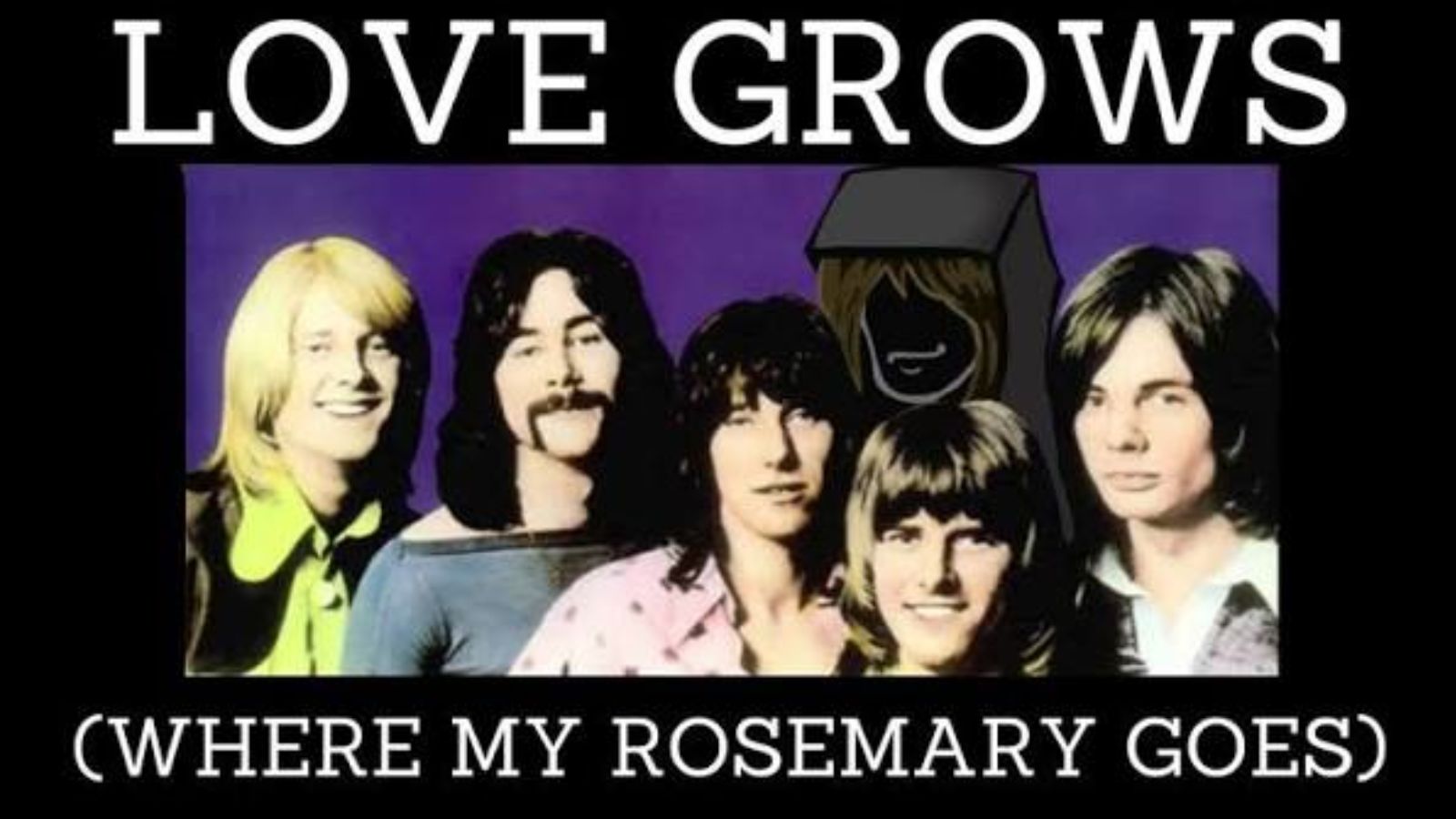
“Love Grows (Where My Rosemary Goes)” — Edison Lighthouse (1970)
Bright, cheerful, and impossible to forget, “Love Grows (Where My Rosemary Goes)” became one of the biggest pop songs of 1970.
It climbed to No. 5 on the Billboard Hot 100 and has remained a favorite in movies, television shows, and commercials. For many listeners, it’s the song that instantly brings back memories of the early ’70s.
“Mississippi Queen” — Mountain (1970)
With its famous cowbell intro and gritty guitar work, “Mississippi Queen” became one of rock’s signature songs.
The track still gets regular airplay on classic rock stations and has appeared in countless movies, TV shows, and video games. Mountain released more albums afterward, though this remains the song most fans remember.
“The Rapper” — The Jaggerz (1970)
The Jaggerz found their biggest audience with “The Rapper,” a catchy pop-rock tune written by Donnie Iris.
The song climbed to No. 2 on the Billboard Hot 100 and reached the top of the Record World chart. While the group continued recording, they never repeated that level of commercial success.
“Ride Captain Ride” — Blues Image (1970)
“Ride Captain Ride” mixed psychedelic rock with an unforgettable keyboard melody, helping it reach No. 4 on the Billboard Hot 100.
The song became the band’s signature recording, and Blues Image broke up not long afterward, leaving this as the hit they’re still known for.
“Spirit in the Sky” — Norman Greenbaum (1970)
Few opening guitar riffs are as recognizable as the one in “Spirit in the Sky.”
Blending rock with gospel influences, the song became a worldwide hit and has appeared in dozens of films, television shows, and commercials over the years. Norman Greenbaum released more music, though this remains the song that defines his career.
“Stuck in the Middle with You” — Stealers Wheel (1973)
Originally a hit in the early ’70s, “Stuck in the Middle with You” found a whole new audience after its memorable use in Reservoir Dogs.
Its easygoing sound and clever lyrics helped it reach No. 6 on the Billboard Hot 100, and it has remained one of the decade’s most recognizable songs.
“Kung Fu Fighting” — Carl Douglas (1974)
The martial arts craze of the 1970s had its perfect soundtrack.
“Kung Fu Fighting” shot to No. 1 in the United States and many other countries, selling millions of copies around the world. Carl Douglas recorded more songs afterward, though none came close to matching the popularity of this disco favorite.
“Seasons in the Sun” — Terry Jacks (1974)
“Seasons in the Sun” became one of the biggest ballads of the decade.
Adapted from a French song, Terry Jacks’ emotional recording reached No. 1 in several countries and sold millions of copies. Its bittersweet lyrics still make it one of the most recognizable songs of the era.
“The Hustle” — Van McCoy (1975)
Disco was taking over dance floors, and “The Hustle” became one of its defining instrumentals.
The song inspired a dance craze, reached the top of the charts, and earned Van McCoy a Grammy Award. Decades later, it’s still one of the first songs people think of when disco comes up.
“Afternoon Delight” — Starland Vocal Band (1976)
With its smooth harmonies and playful lyrics, “Afternoon Delight” became an unexpected smash.
The song topped the Billboard Hot 100 and earned two Grammy Awards after receiving five nominations. It remains far more famous than anything else the group recorded.
“Play That Funky Music” — Wild Cherry (1976)
Wild Cherry struck gold with “Play That Funky Music,” a song that still fills dance floors nearly 50 years later.
It climbed to No. 1 on the Billboard Hot 100 and became one of the best-known funk songs of the decade. While the band released more material, this was the hit that stood the test of time.
“Dancing in the Moonlight” — King Harvest (1973)
Warm, upbeat, and easy to sing along with, “Dancing in the Moonlight” has never really gone away.
The song reached No. 13 on the Billboard Hot 100 and continues to appear in movies, TV shows, and playlists celebrating classic hits from the ’70s.
“Slow Ride” — Foghat (1975)
“Slow Ride” remains Foghat’s signature song, thanks to its driving beat and memorable guitar riffs.
The track became a classic rock favorite and reached No. 20 on the Billboard Hot 100. It still receives regular airplay and has been featured in several video games and films.
“I Can See Clearly Now” — Johnny Nash (1972)
Johnny Nash delivered one of the most uplifting songs of the decade with “I Can See Clearly Now.”
The optimistic lyrics and easygoing melody helped it reach No. 1 on the Billboard Hot 100. The song has since been covered by many artists, though Nash’s original recording remains the best known.
“All Right Now” — Free (1970)
Few guitar riffs are as instantly recognizable as the opening of “All Right Now.”
The song reached No. 4 on the Billboard Hot 100 and became a rock radio staple around the world. It remains the recording most listeners associate with the British band Free.
“All the Young Dudes” — Mott the Hoople (1972)
Written by David Bowie, “All the Young Dudes” gave Mott the Hoople their biggest hit and became one of glam rock’s defining songs.
The anthem helped revive the band’s career and introduced them to a much larger audience. While Mott the Hoople built a loyal fan base, this remains the song they’re remembered for most.