
A well-defined garden border does more than make a flower bed look neat. It separates planting areas from lawns and walkways, helps keep grass from creeping into your beds, and gives the entire landscape a finished look.
Low-growing plants are one of the easiest ways to create that clean edge. They soften hard borders, fill empty spaces, and add color and texture without blocking the view of taller flowers behind them. Many of these plants also spread naturally, which means you’ll spend less time filling gaps over the years.
If you’re looking for plants that stay compact while making your garden look polished, these are excellent choices.
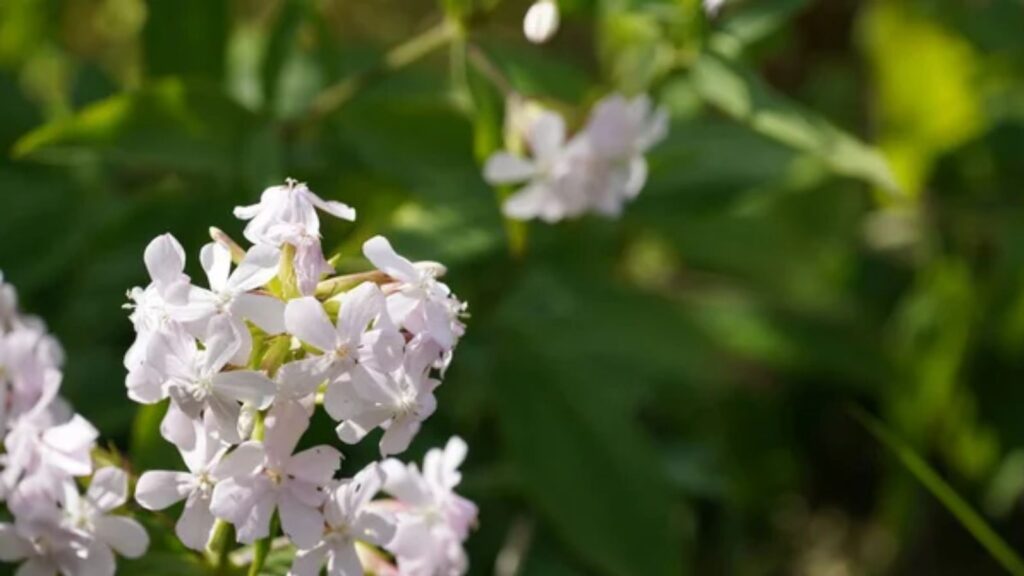
Creeping Phlox (Phlox subulata)
Creeping phlox is a favorite for spring color. It forms a thick carpet of evergreen foliage that becomes covered with pink, purple, blue, or white flowers for several weeks. Because it spreads close to the ground, it’s ideal along pathways, retaining walls, and the front of flower beds.
It grows best in full sun with well-drained soil.
Related: 12 Common Garden Plants That Are Surprisingly Poisonous
Candytuft (Iberis sempervirens)
Candytuft produces clusters of bright white flowers in early spring that stand out against its dark green evergreen leaves. Even after blooming ends, the foliage stays attractive throughout much of the year.
It prefers full sun and soil that drains well, making it a dependable choice for garden borders.
Related: 15 Low-Maintenance Houseplants Anyone Can Keep Alive
Blue Star Creeper (Isotoma fluviatilis)
Blue star creeper grows into a dense mat of tiny green leaves dotted with pale blue flowers during the growing season. It works especially well between stepping stones, along walkways, or anywhere you want a soft, living border.
This plant grows in full sun or partial shade and prefers evenly moist soil.
Related: 15 Shade-Loving Plants Perfect for Growing Under Trees
Aubrieta (Aubrieta deltoidea)
Aubrieta puts on an impressive spring display with masses of purple, pink, or white blooms. Its trailing stems spill naturally over retaining walls, raised beds, and rock gardens, creating a colorful edge.
It grows well in sunny locations with good drainage and is also known for being resistant to deer.
Related: 12 Deer-Resistant Plants That Help Protect Your Garden
Creeping Thyme (Thymus serpyllum)
Creeping thyme is valued for both its appearance and its fragrance. Tiny purple or pink flowers bloom during summer, while the leaves release a pleasant scent when brushed or walked on.
It’s a great option between pavers, along garden paths, or at the front of sunny borders. It thrives in full sun and tolerates dry conditions once established.
Golden Creeping Jenny (Lysimachia nummularia)
Golden creeping jenny stands out with its bright golden-green leaves that brighten darker areas of the garden. Its trailing stems spread quickly, making it useful for edging beds, spilling over containers, or covering bare ground.
It grows best in moist soil and can handle full sun or partial shade.
Crown Vetch (Securigera varia)
Crown vetch forms a spreading ground cover with clusters of pink and purple flowers from late spring into early summer. Its thick growth helps cover slopes and border areas where erosion can be a concern.
Because it spreads readily, it’s best planted where it has room to grow.
Corsican Mint (Mentha requienii)
Corsican mint may be tiny, but it adds plenty of character to a garden. Its small leaves release a fresh mint scent when stepped on, making it a popular choice between stepping stones and along pathways.
It grows well in partial shade with consistently moist soil. The leaves are also used in some culinary and herbal applications.
Blue Fescue (Festuca glauca)
Blue fescue brings year-round color with its compact clumps of blue-gray foliage. Its tidy shape adds structure to borders without overwhelming nearby plants.
It grows well in sunny locations and also looks attractive in rock gardens and containers.
Golden Japanese Sweet Flag (Acorus gramineus ‘Ogon’)
This ornamental grass-like plant features narrow leaves striped with yellow and green, adding brightness to shaded areas. Its compact growth makes it an excellent border plant around ponds, walkways, or flower beds.
It prefers partial shade and soil that stays consistently moist.
Golden Japanese Forest Grass (Hakonechloa macra ‘Aureola’)
Golden Japanese forest grass is known for its graceful, cascading leaves that move gently with the breeze. The bright yellow foliage adds color even when flowers aren’t blooming.
It’s especially attractive along shaded pathways or at the edge of woodland gardens, where it grows best in moist, well-drained soil.
Creeping Jenny (Lysimachia nummularia ‘Aurea’)
This popular ground cover spreads quickly to form a thick carpet of golden foliage. It’s especially eye-catching around ponds, containers, and flower beds where the trailing stems can spill over the edges.
It also tolerates light foot traffic, making it useful in many parts of the landscape.
Lily of the Valley (Convallaria majalis)
Lily of the valley is loved for its tiny, bell-shaped white flowers and sweet fragrance in spring. After blooming, its lush green leaves continue to fill border areas throughout the season.
It grows well in partial to full shade and spreads steadily in moist soil.
Hosta (Hosta spp.)
Hostas are grown mainly for their bold foliage, which comes in shades of green, blue, yellow, and variegated patterns. Their rounded shape makes them a dependable edging plant for shady gardens.
They prefer moist, well-drained soil and pair beautifully with ferns and other shade-loving plants.
Dwarf Mondo Grass (Ophiopogon japonicus ‘Nana’)
Dwarf mondo grass forms a dense carpet of dark green leaves that stays neat throughout the year. Its slow growth means it requires very little maintenance once established.
It’s often planted along walkways, around stepping stones, or as a living border in partially shaded areas with well-drained soil.
Choosing the right edging plants can completely change the look of your garden. Whether you want colorful flowers, evergreen foliage, or soft ornamental grasses, these low-growing plants help create clean, attractive borders while filling your landscape with texture and year-round interest.