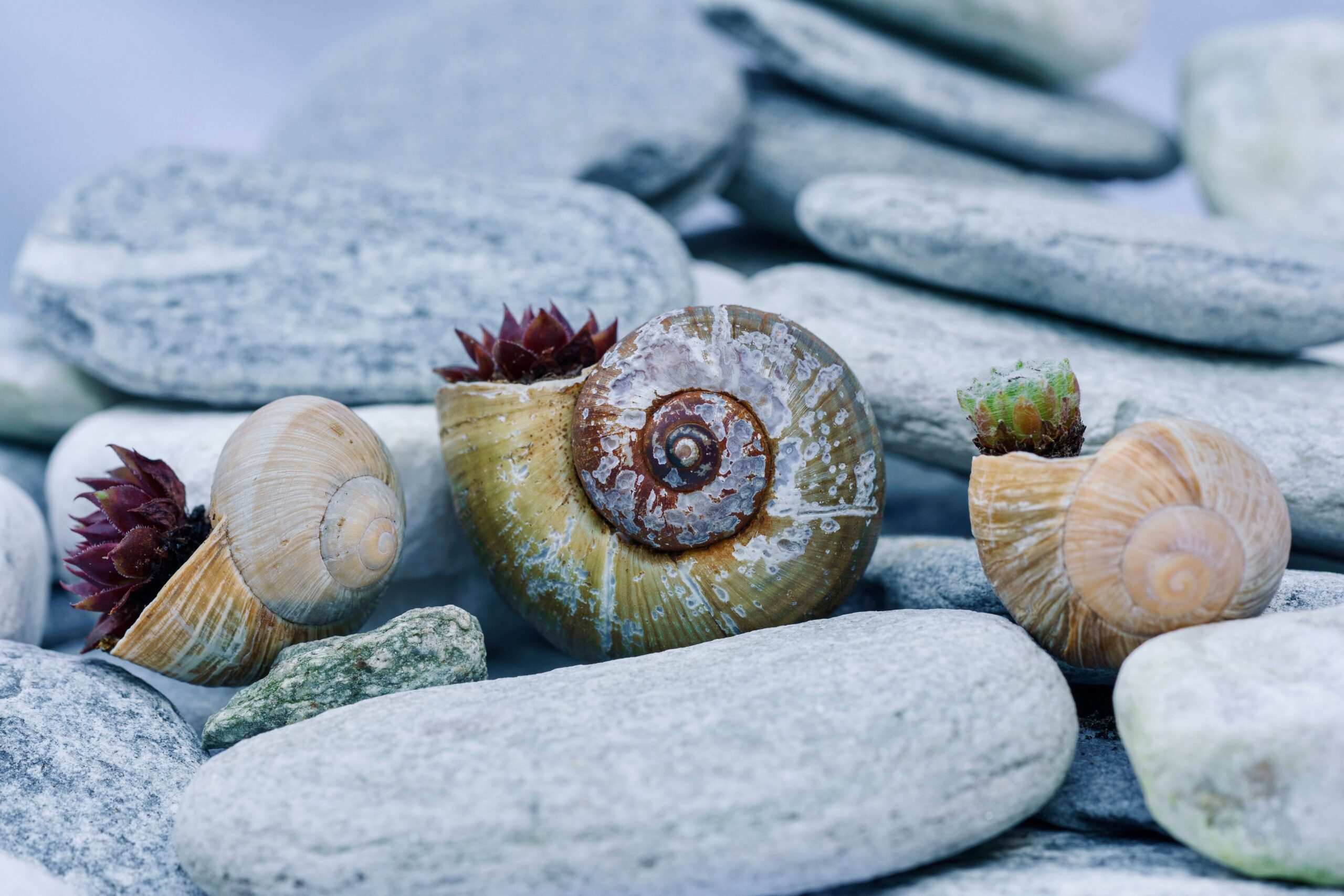
Planting beneath trees can be one of the trickiest parts of gardening. Thick tree canopies block sunlight, and established roots compete for water and nutrients, making it difficult for many plants to grow. Fortunately, plenty of flowers and foliage plants actually prefer these conditions and can turn a bare patch of ground into one of the prettiest spots in your yard.
Whether you’re looking for colorful blooms or interesting foliage, these shade-loving plants are well suited to life beneath trees.
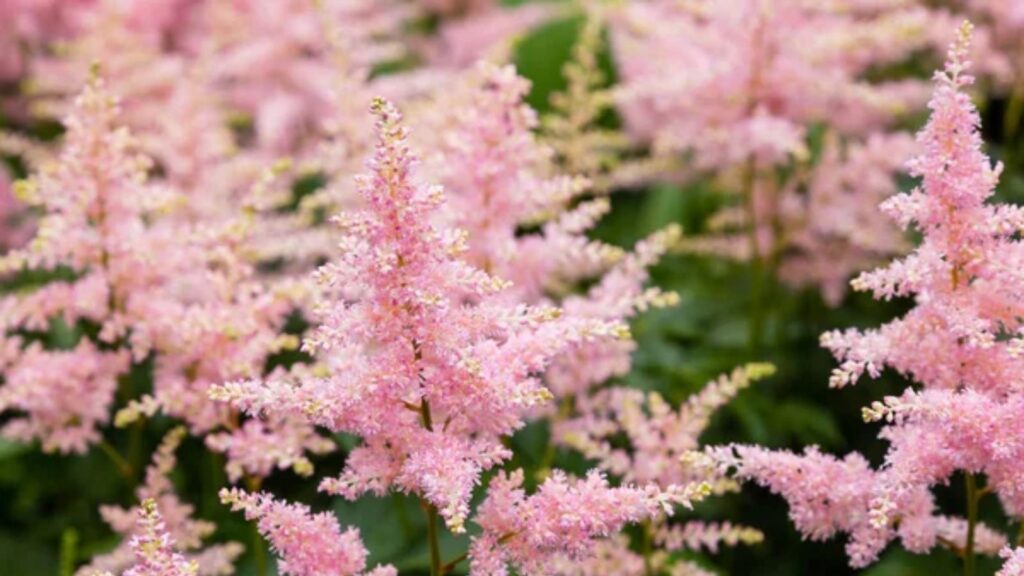
Primrose
Primroses are among the first flowers to brighten the garden after winter. Their cheerful blooms appear in shades of yellow, pink, purple, red, and white, bringing welcome color to shady areas.
They grow well in partial to full shade and appreciate soil that stays evenly moist, making them a great choice for planting beneath mature trees.
Related: 12 Common Garden Plants That Are Surprisingly Poisonous
Hosta
Hostas are a favorite for shaded gardens, thanks to their large, attractive leaves. Their foliage comes in shades of green, blue, gold, and variegated combinations that brighten darker corners of the landscape.
During summer, tall stems topped with lavender or white flowers rise above the leaves, adding another layer of interest with very little maintenance.
Related: 12 Deer-Resistant Plants That Help Protect Your Garden
Bleeding Heart
Bleeding hearts are easy to recognize by their delicate, heart-shaped flowers that hang from graceful arching stems.
They bloom in spring and prefer cool, shaded locations with moist soil. Their soft, romantic appearance pairs well with ferns and hostas beneath trees.
Related: 12 Indoor Plants That Create a Calmer Home Atmosphere
Impatiens
Few annuals brighten shady gardens like impatiens. Their nonstop blooms come in pink, red, coral, purple, orange, and white, filling flower beds with color throughout the growing season.
These easy-care plants perform well in partial or full shade and are also popular with bees and butterflies.
Related: 12 Plants That Will Help Keep the Flies Away
Ferns
Ferns have been a woodland garden favorite for generations. Their feathery fronds create texture and movement while thriving in places where many flowering plants struggle.
With so many varieties available, it’s easy to mix different heights, leaf shapes, and shades of green for a natural-looking display.
Astilbe
Astilbe adds height and color to shady gardens with its fluffy flower plumes that bloom in pink, red, lavender, and white.
These perennials grow best in consistently moist soil and look especially attractive alongside hostas, ferns, and other woodland plants.
Coral Bells
Coral bells are often grown for their colorful foliage, which comes in shades of green, burgundy, bronze, silver, and nearly black.
Small flower stalks appear in late spring or early summer, attracting hummingbirds and pollinators. They grow well beneath trees where the soil drains well.
Foxglove
Foxgloves produce tall spikes covered in tubular flowers that add height to shady planting beds.
Available in shades of pink, purple, cream, yellow, and white, they bloom in late spring and early summer and are especially attractive to hummingbirds and bees.
Hellebore
Hellebores bring welcome color to the garden during late winter and early spring, often blooming while other plants are still dormant.
These evergreen perennials tolerate dry shade once established, making them one of the better choices for planting beneath mature trees.
Japanese Forest Grass
Japanese forest grass brings graceful movement to shaded landscapes with its gently arching leaves.
Its foliage ranges from bright green to golden yellow and variegated forms, adding brightness to darker corners without relying on flowers.
Lily of the Valley
Lily of the valley is loved for its tiny white, bell-shaped flowers and sweet fragrance.
It spreads gradually to form a lush ground cover in shady areas and grows best in moist soil beneath deciduous trees.
Solomon’s Seal
Solomon’s seal is a woodland perennial with elegant arching stems lined with dangling white flowers in spring.
As the season progresses, the blooms give way to dark berries, while the graceful foliage continues adding texture throughout the growing season.
Lungwort
Lungwort is valued for both its colorful flowers and its decorative foliage. Many varieties feature silver-speckled leaves that brighten shady spaces long after the blooms have faded.
Its pink, purple, or blue flowers appear early in spring, making it one of the first plants to wake up after winter.
Foamflower
Foamflower forms neat clumps of attractive foliage topped with airy clusters of tiny white or pale pink flowers in spring.
It slowly spreads to create a natural-looking ground cover beneath trees while requiring very little upkeep once established.
Violas
Violas may be small, but they produce plenty of cheerful blooms in shades of purple, blue, yellow, white, and mixed colors.
They grow well in cool weather and partial shade, often flowering for months with regular watering and occasional deadheading. Their compact size makes them ideal for filling gaps beneath trees or along shaded garden borders.