
Decorating a home isn’t about buying the most expensive furniture or following every new trend. The rooms that feel the most welcoming usually come together through thoughtful choices that work well together.
The tricky part is that it’s easy to stop noticing your own space after you’ve lived in it for a while. Small decorating habits can slowly make a room feel crowded, unfinished, or uncomfortable without you realizing it.
Here are 12 common home decor mistakes that can keep your home from looking its best, and simple ways to fix them.
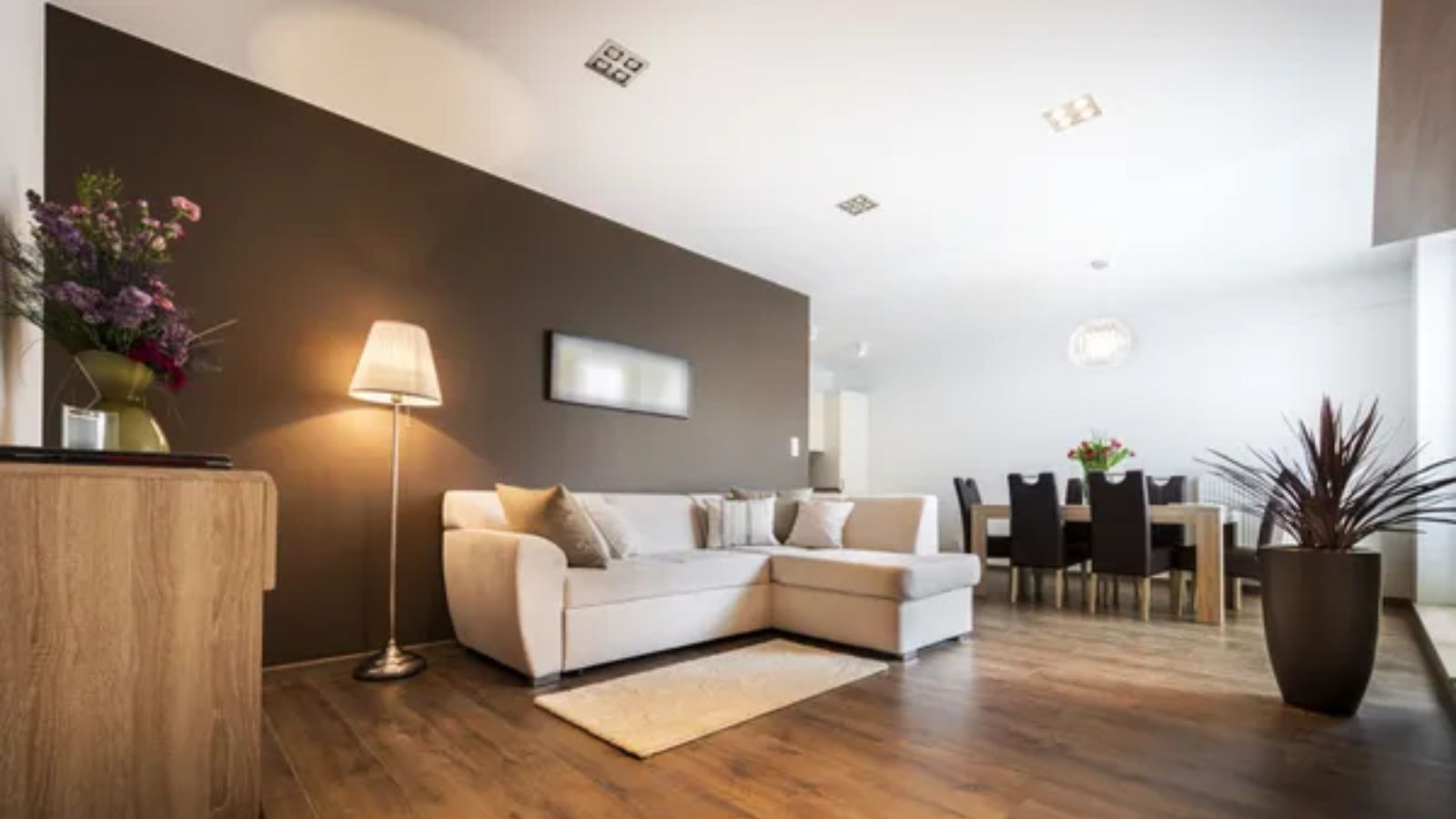
Overcrowding the Room With Furniture
Adding more furniture doesn’t always make a room more functional. In fact, it often has the opposite effect.
When chairs, tables, and cabinets compete for space, the room feels cramped and harder to move around in. Leaving a little breathing room between pieces makes the entire space feel larger and more comfortable.
Relying on One Light Source
A single ceiling light rarely does a room any favors.
It can leave dark corners, create harsh shadows, and make the space feel flat. Instead, combine overhead lighting with table lamps, floor lamps, or wall sconces. Multiple light sources create a warmer, more inviting atmosphere and make the room feel balanced.
Picking Paint Before Everything Else
Paint is one of the easiest things to change, yet many people choose it before selecting furniture, rugs, or artwork.
It’s usually easier to pick your larger pieces first and then choose a paint color that ties everything together. That makes it much easier to create a room where the colors feel like they belong together.
Hanging Artwork Too High
Artwork that’s placed too close to the ceiling can make a room feel disconnected.
A good guideline is to hang the center of the piece about 57 to 60 inches from the floor, which is close to average eye level. When art is properly placed, it feels like part of the room instead of something floating above it.
Ignoring Scale
Size matters in decorating.
A tiny rug can make a large living room feel unfinished, while an oversized sofa can overwhelm a smaller space. Furniture, rugs, lighting, and artwork should all feel proportional to the room they’re in.
When everything is sized appropriately, the room naturally feels more balanced.
Using Too Many Patterns
Patterns add personality, though too many can compete for attention.
If every pillow, rug, curtain, and chair has a bold print, the room can start to feel busy. Mixing a few patterns with solid colors usually creates a calmer, more polished look.
Forgetting a Focal Point
Every room benefits from having one feature that naturally draws the eye.
It could be a fireplace, a large piece of artwork, a beautiful window, or even a statement piece of furniture. Without something that anchors the room, the space can feel scattered and unfinished.
Letting Surfaces Become Catch-All Spaces
Coffee tables, kitchen counters, and entryway consoles often collect mail, keys, chargers, and other everyday items.
Once clutter starts building up, even a beautifully decorated room can feel messy. Keeping surfaces mostly clear and displaying only a handful of decorative pieces makes the space look cleaner and more intentional.
Matching Everything
Buying an entire matching furniture set might seem like the easiest choice, though it can leave a room looking flat.
Rooms usually feel more comfortable when different textures, finishes, and styles work together. Mixing wood tones, fabrics, and accent pieces gives the space more personality without making it feel random.
Forgetting the Windows
Windows deserve just as much attention as the rest of the room.
Leaving them bare can make the space feel unfinished, while heavy, outdated curtains may overwhelm it. The right curtains, shades, or blinds frame the room, soften natural light, and add another layer of texture.
Pushing Every Piece Against the Wall
Many people assume pushing furniture against the walls makes a room feel larger.
In reality, it can leave the center of the room feeling empty and separate the seating area. Pulling sofas and chairs in just a few inches, or arranging them around a conversation area, often creates a space that feels much more comfortable.
Overlooking the Entryway
Your entryway is the first thing people see when they walk through the door, yet it’s often treated as an afterthought.
A pile of shoes, coats, and bags can make the entire home feel cluttered before guests even step inside. A small console table, mirror, bench, or a few decorative touches can make the space feel organized and welcoming while setting the tone for the rest of your home.