
There’s something satisfying about seeing a neatly stacked pile of firewood waiting for the colder months. But that stack of logs can serve another purpose too. The spaces between the pieces of wood make convenient shelter for all kinds of wildlife.
Some woodpile visitors are harmless and even helpful, while others can bite, sting, spread disease, or cause damage to the wood around your property. A pile that sits undisturbed for weeks or months can become an appealing shelter for anything looking for shade, warmth, moisture, food, or protection.
That doesn’t mean you need to avoid your firewood. It just pays to know what might be hiding between the logs and take a few simple precautions before moving them.
Spiders
Spiders are among the most common creatures you’ll find around a woodpile. The dark gaps between logs give them plenty of places to build webs and wait for insects.
Most spiders you encounter are harmless. Black widows and brown recluses are exceptions found in parts of the United States, and both can deliver medically significant bites. Black widows usually avoid people and bite when threatened or accidentally disturbed.
Wear gloves and avoid reaching blindly into gaps between logs. Give each piece of wood a quick look before picking it up.
Related: 20 Surprising Animal Facts Most People Have Never Heard
Mice
Mice have plenty of reasons to like a woodpile. It offers shelter from weather and predators, while insects, seeds, and plant material can provide food nearby.
A woodpile close to your house can also give mice an easy route toward warmer indoor spaces. Rural areas may also have deer mice, which can carry hantaviruses. The Centers for Disease Control and Prevention recommends taking precautions around areas where rodents have been active.
Keep firewood off the ground when possible, and store it away from exterior walls to make your pile less appealing as a rodent shelter.
Snakes
Where there are mice, snakes may follow.
Woodpiles offer snakes cool, protected places to hide while giving them access to prey. Many species that turn up around homes are nonvenomous, but venomous species such as copperheads and rattlesnakes can also use piles of wood as cover in areas where they occur.
Don’t reach between logs without looking first. Move pieces carefully, keep your hands away from dark openings, and wear sturdy gloves and footwear.
Centipedes
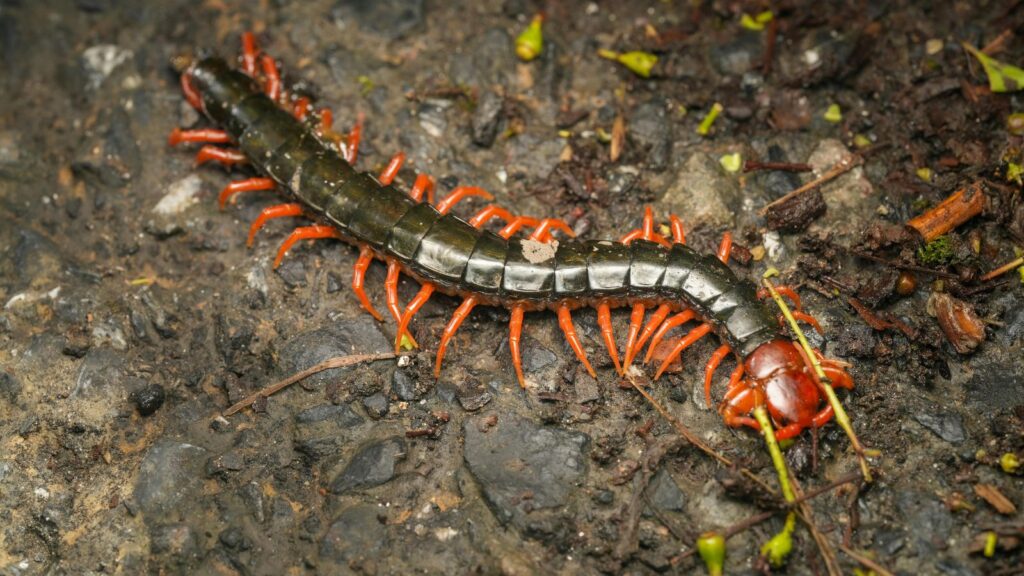
Centipedes aren’t exactly the kind of guest most people want to discover in their firewood, but they have a good reason for being there. Dark, damp spaces provide shelter, while the insects living around the logs give them plenty to eat.
The upside is that centipedes prey on other pests, including spiders and cockroaches. They can look alarming when they scurry out from under a log, but most species found around homes pose little concern to people.
Raccoons
A woodpile can provide temporary shelter for a raccoon, particularly if it’s located near food, water, or a trash can.
Raccoons are highly adaptable and are common in suburban and rural areas. They can also carry diseases, including rabies. The National Institutes of Health has documented the role of raccoons as important wildlife hosts for rabies in the United States.
If you spot one using your woodpile as a den, don’t try to chase it out yourself. Keep children and pets away and contact local wildlife authorities if the animal appears sick, injured, or trapped.
Termites
A stack of untreated wood sitting directly on the ground can be an attractive food source for termites.
The bigger concern isn’t the firewood itself. It’s the possibility of termites spreading from the pile to wooden structures nearby. PestWorld reports that termites cause billions of dollars in property damage in the U.S. each year.
Store firewood off the ground and keep it away from your home’s foundation. If you notice mud tubes, discarded wings, or damaged wood, have the area inspected.
Beetles
A woodpile can attract several kinds of beetles, including bark beetles and carpenter beetles. Some spend part of their lives in or under the bark, where they feed or lay eggs.
Small holes in logs or piles of sawdust-like material can be signs of insect activity. Beetles in firewood aren’t automatically a problem for your house, but bringing heavily infested logs indoors can introduce unwanted insects.
Inspect logs before bringing them inside, especially if the wood has been stored for a long time.
Lizards
In warmer parts of the country, lizards often treat woodpiles like miniature playgrounds. They can climb onto the logs to warm themselves in the sun before slipping into the cracks when they need cover.
Most backyard lizards are harmless and can actually help by eating insects. If you move a log and a little lizard suddenly darts away, there’s usually no reason for concern. Give it some space and let it find another hiding spot.
Opossums
Opossums may look intimidating because of their pointed faces and rows of teeth, but they are generally shy animals that would rather avoid people.
A woodpile can provide temporary shelter, especially during colder weather. Opossums also eat a wide range of insects and other small animals. They are known for eating ticks too, although their role in controlling tick populations around homes shouldn’t be overstated.
If an opossum has taken shelter in your woodpile, leave it alone unless it poses a direct problem. It will often move on once it feels safe.
Scorpions
In parts of the Southwest and other warm regions, scorpions may find exactly what they’re looking for beneath a stack of firewood.
They prefer dark, sheltered spaces, and the gaps between logs can make a convenient daytime hiding place. Most U.S. scorpion species aren’t considered deadly, but their stings can be painful.
Wear gloves when handling firewood in areas where scorpions are common. It’s also smart to shake out gloves, shoes, and clothing that have been left outside before putting them on.
Frogs
A woodpile located near a pond, creek, drainage area, or damp garden can attract frogs and toads.
The spaces beneath the logs give them protection from the sun and predators, while nearby insects provide food. They’re harmless to people and can help keep insect populations in check.
They may still give you quite a surprise if one suddenly hops out while you’re moving a log.
Ants
Ants are another common woodpile resident, and carpenter ants deserve a little extra attention.
Carpenter ants don’t eat wood the way termites do. They excavate it to create nesting galleries, and damp or decaying logs can provide an ideal place to start a colony.
Look for small piles of sawdust-like material around cracks or openings in the wood. A few ants don’t necessarily mean there’s a colony nearby, but repeated activity around your house is worth checking out.
Weasels
Weasels aren’t something most homeowners expect to see around a woodpile, but they can turn up in rural and wooded areas.
These small predators are quick, curious, and built to chase prey into tight spaces. A woodpile can give them cover while they hunt mice, voles, and other small animals living nearby.
If you spot one, there’s usually no reason to interfere. Its presence may simply mean there’s a healthy food chain operating around your property.
Bats
Bats generally prefer higher, protected roosting spots, but woodpiles located near sheds, barns, trees, or other structures can sometimes become part of their daytime shelter.
Bats are valuable insect eaters, including species that consume large numbers of flying insects. Their droppings, called guano, can create a sanitation problem when they accumulate in enclosed areas. Bat droppings can also support the growth of fungi associated with histoplasmosis.
If you suspect bats are living in or around your woodpile, don’t handle them directly. Give them space and contact a local wildlife professional if they have entered a building.
A woodpile doesn’t have to become a wildlife attraction. Keeping it elevated, storing it away from the house, rotating older firewood, and checking logs before carrying them indoors can reduce the chances of unwanted visitors.
And if you do find a harmless lizard, frog, or opossum hiding between the logs, there’s usually no need to panic. You may simply have discovered one of the many small animals that make use of the shelter your firewood provides.