
Sometimes, we unknowingly make everyday tasks harder than they need to be. Whether out of habit, lack of awareness, or simply following outdated methods, everyday chores can often be simplified with a few clever adjustments. Many routine tasks have hidden shortcuts that people usually overlook. These small inefficiencies can add up, turning quick and easy chores into frustrating time-wasters.
What if you could make your daily tasks smoother with just a few tweaks? Rethinking how you approach everyday activities can help you save time, reduce stress, and find a surprising amount of ease in your routine. The following insights reveal smarter, simpler ways to tackle 16 everyday tasks you might be doing the hard way.
Peeling Hard-Boiled Eggs

Peeling hard-boiled eggs can be frustrating, especially when the shell sticks stubbornly to the egg white, making achieving that perfect, smooth surface difficult. To make the peeling process much easier and more enjoyable, consider adding a teaspoon of baking soda to the water before boiling the eggs.
The alkaline properties of baking soda loosen the shell, allowing it to slide off more quickly once the eggs are cooked. This simple hack can save you time and frustration in the long run.
Folding Fitted Sheets

Start by placing the sheet inside out on a flat surface, folding it in half lengthwise, and tucking the elastic corners into each other. Next, fold the sheet into thirds and smooth out any wrinkles before neatly folding it into a rectangle. With this method, your fitted sheets will take up less space and look much neater in your linen closet.
Squeezing Lemons

Squeezing lemons for juice can sometimes be messy and unproductive without the proper technique. To maximize juice extraction while minimizing effort, consider rolling the lemon on a countertop with the palm of your hand before cutting it. This action breaks down the internal membranes, making it easier to extract juice.
Unloading the Dishwasher

Unloading the dishwasher can be time-consuming and frustrating, especially when dealing with utensils that are hard to remove from their compartments. Sort your utensils by type as you load them into the dishwasher. Then, when unloading, place each type of utensil directly into its designated drawer or holder.
Cutting Onions without Tears
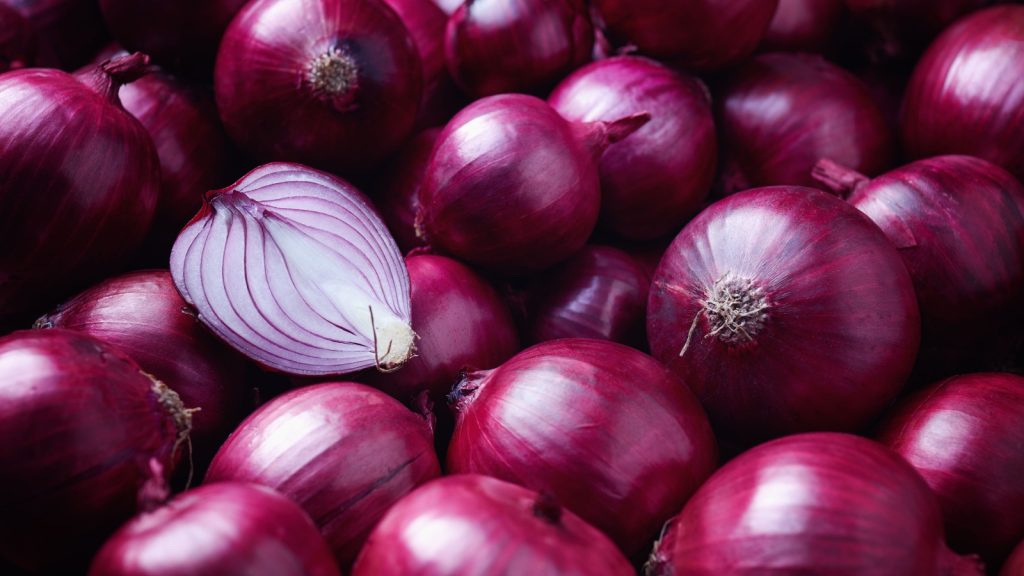
To make cutting onions a more pleasant experience, chill the onion in the refrigerator for about 30 minutes before you begin chopping. This cooling process helps to reduce the amount of irritants released into the air, making it easier on your eyes.
Additionally, using a sharp knife is crucial, as it minimizes tearing by creating cleaner cuts and reducing the cell damage that causes the release of those tear-inducing compounds.
Peeling Garlic

Microwave whole cloves for 10 seconds before peeling them – this will loosen the skin and make removing it easier. Alternatively, you can cut off both ends of the garlic clove and use a jar lid as a container to shake vigorously for 20-30 seconds. The friction will help separate the cloves from their skins, making peeling much quicker and less fiddly.
Closing Chip Bags

Chip bags are hard to reseal, which can lead to stale snacks. Instead of a clip, try the “twist and fold” method: twist the top to remove air, fold it down, and flip the edge over to lock in freshness. This technique keeps chips crunchy and reduces waste, allowing you to enjoy them as fresh later.
Removing Stickers

One effective method to remove stickers is to use heat. Begin by applying heat to the sticker with a hairdryer for about 30 seconds; the warmth loosens the adhesive, making it easier to peel off. If any residue remains, applying a small amount of cooking oil or rubbing alcohol can help dissolve it. Rub the area gently with a cloth until the residue is gone. These methods help keep surfaces clean and undamaged.
Getting Rid of Grease Stains
Start by sprinkling a generous amount of baking soda or cornstarch directly on the stain. This absorbs the grease and prevents it from setting into the fabric. Allow the powder to sit for at least 15 minutes before gently brushing it away. Treat the stained area with dish soap, which breaks down fats, and rub it with your fingers or a soft brush. After letting the soap sit for a few minutes, wash the fabric in the hottest water that is safe for the material.
Cooking Pasta

Rather than waiting for a large pot of water to boil before adding pasta, start with just enough water to cover the noodles and add more as needed. This saves time and energy while preventing excess water from going down the drain. Additionally, adding a tablespoon of oil to the boiling water can help prevent pasta from sticking together.
Peeling Potatoes

Peeling potatoes doesn’t have to be time-consuming or messy. Instead of using a peeler, try boiling whole potatoes for 15-20 minutes before submerging them in cold water for a few seconds. The skins should easily slide off with just a gentle rub. Alternatively, you can use a spoon to scrape the skin gently.
Cooking Bacon

Cooking bacon in a frying pan can result in greasy splatters that are difficult to clean up. Try baking it in the oven on a foil-lined baking sheet. Not only does this method eliminate messy stovetop cleanup, but it also results in evenly cooked, crispy bacon. Plus, the rendered grease can be easily poured off for later use.
Cleaning Blenders

Cleaning a blender can be tricky, as it has sharp blades and small crevices that are hard to reach. A quick and easy solution is to fill the blender halfway with warm water and a few drops of dish soap, then blend on high for 20-30 seconds. Rinse thoroughly and allow it to air dry. This method saves time and effort while ensuring a thorough cleaning.
Organizing Spices
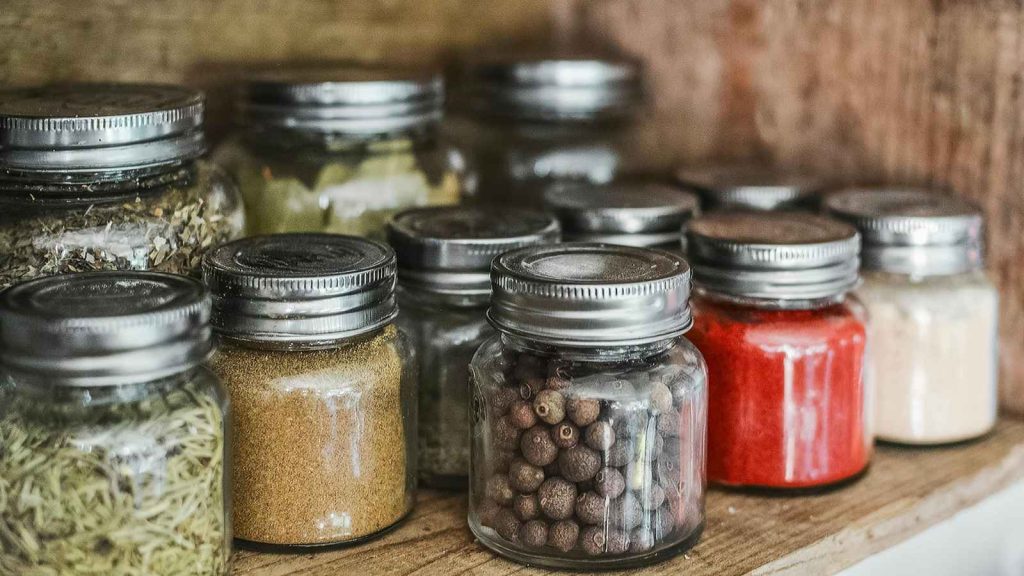
Use a hanging shoe organizer to keep your spices visible and within reach. Hang it on the back of a pantry door or inside a cabinet, and fill each compartment with different spices. This hack saves space and makes finding and grabbing the right spice easier while cooking.
Removing Rust

To remove rust from metal objects, sprinkle salt over the affected areas and squeeze lemon juice on top. Let it sit for a few hours before scrubbing with a brush or scouring pad. The citric acid in lemon juice helps break down rust, making removing it much more manageable. You can also make a paste using baking soda and water to scrub off the rust.
Ironing Clothes

Ironing clothes while still slightly damp is advantageous, making the process easier and more effective. For best results, move the iron in a steady, even motion, applying gentle pressure to help the fibers relax. Always use a clean ironing board and consider placing a thin cloth between the iron and delicate fabrics to prevent scorching.