
At home, baking soda has been known to have the following uses other than in the kitchen. In horticultural terms, it is a general-purpose, all-around organic concept that can be used to treat the plants, their soil, and pests together. The employment of baking soda has gained preference due to its low price and simplification of the initial process in organic gardens.
From a professional gardener to a person who finds gardening a hobby, adding baking soda into the mix will yield awesome results. In addition to encouraging healthier plant growth, using baking soda as a natural cleaner, its versatility has not been exploited fully. Find out how this one item will enhance your garden and offer solutions that are environmentally friendly within your garden.
Neutralize Soil pH Levels

Acidic soil has a negative impact on plant health and growth; discoloration of leaves, stunted growth, and affected roots. Another characteristic of Rhode Island grease is that baking soda has natural properties of pH regulation, so it can rid your acidic soil of excessive acidity and provide a favorable environment for your plants. When using baking soda this way, you can just sprinkle a little bit of the baking soda and then water the plants. It will assist in increasing the pH level of your soil, which provides a better environment for growing plants.
Combat Powdery Mildew

This is a fungal disease that is prevalent among different crops and shows white powdery lesions on the leaves and stems. Powder mildew can also be controlled by using baking soda, as it stops the actual expansion of the fungus. For powdery mildew, use one tablespoon of baking soda to one gallon of water, then spray the infected areas every couple of days for several weeks.
Ward off Pests

Some common garden pests, like the slugs and snails, cause significant damage to plants, which may be unwell or dead, and are nuisances to garden owners. Spoor means baking soda is safe and very effective to prevent these uninvited guests in the garden. If you spread baking soda around the lower part of your plant, the pests will not like walking on it because of the rough texture. It is very effective in cases where individuals want to cover some tender seedlings or young plants.
Act as a Natural Fertilizer

According to SheriKisaan.com, baking soda has nutrients needed by the plants, such as sodium, potassium, and calcium. By occasionally sprinkling a little baking soda on the soil, you can replenish these nutrients and also act as an organic fertiliser to the plants. What you should know is that baking soda should not be used frequently as a fertilizer due to its effect of increasing the pH level of the soil and damaging sensitive plant species. It should be applied occasionally to obtain the best results.
Clean Garden Tools

Anything that comes into contact with the plants is likely to get dirty, contain debris, or even rust within a short time when used often. According to the Notherngardner, with baking soda, it becomes very possible to maintain the quality of the tools, and in this way, we can be able to prolong their usage. For cleaning purposes, when handling your garden tools, dishwasher the tools, then use vinegar and baking soda to clean any dirt or grime. Wash the products, drain the water, and dry before use and or before placing them in storage.
Deodorize Compost Bin

Composting is a good strategy for cutting down on waste and making beneficial soil for plants in the garden. However, there is always a problem of smell emanating from the compost bin, and it is something that not all gardeners like. In fact, baking soda can be used to remove the foul smell emanating from spoiled organic material and can be added to your compost pit. All that is necessary in that regard is to occasionally sprinkle the baking soda directly into your bin and let it sit for a few days before pouring it out.
Maintain Fresh Cut Flowers

It is common to have cut flowers placed around anywhere since they make every place look beautiful, but very unfortunate since they wither very fast if not well taken care of. Including a teaspoon of baking soda in the water used when placing cut flowers into it will make the flowers last longer due to the nonformation of bacteria, and thus helps the water remain clean. It’s also possible to put a pinch of baking soda into the vase water after several days to rejuvenate the flowers and help them survive longer.
Remove Weeds

Sprawling weeds are not easy to control in any garden, but chemical control affects plants and insects in equal measure. For instance, baking soda is a natural weed remover that will help rid your garden of weeds without posing a threat to your plants. Shake some baking soda on the weeds or dilute it in water to make a spraying solution that will slowly get rid of the weeds.
Improve Seed Germination

Growing new plants from seeds is vital in gardening; seeds might fail to develop into new plants due to matters of soil type or heat. Baking soda can be used to increase the rate of seed germination because it prepares the seeds for an environment that favors their growth. Another way to meet those needs and ensure proper soil structure in order to provide a suitable environment for germination is to add a pinch of baking soda to the area you prepare for seeds.
Reduce Acidity in Tomatoes

How to grow tomatoes. The best pH range for tomatoes is between 5.5 and 7.0, while Salinity has been found to reduce the growth of tomatoes by up to half. Curing the issue of overly acidic tomatoes, baking soda discourages the formation of healthy foliage intended by the plants. Apply a very weak, dilute solution of baking soda near the base of the plants, or as the last two alternatives mentioned above.
Deter Ants
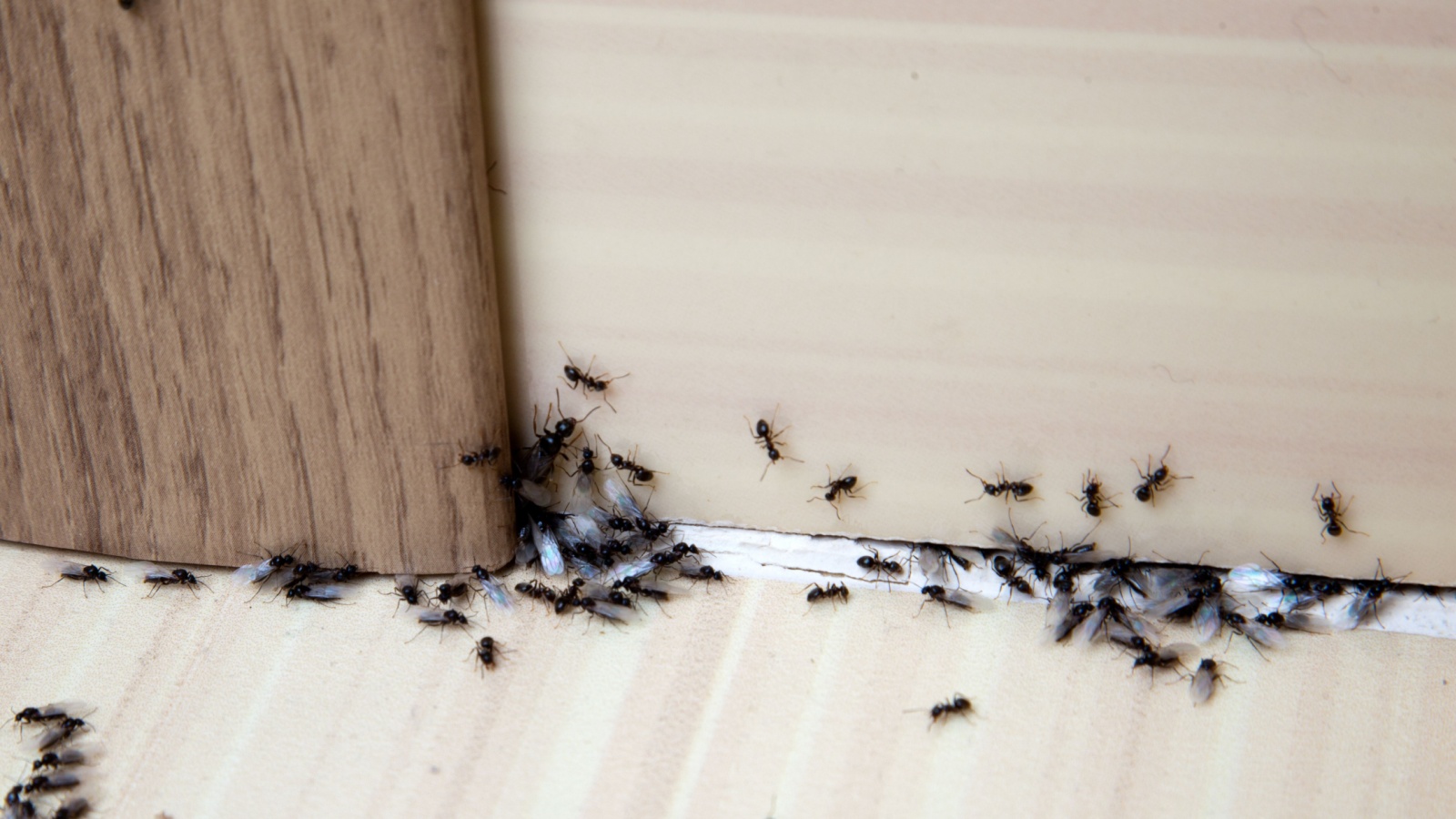
There are also ants, which are evidently destructive to plants and can pose as irritants around the garden. Baking soda provides a non-toxic way of discouraging ants without having to invite in dangerous chemicals into the house. Spreading baking soda will help to remove the ants’ scent trail between their nest and your plants to make them stay off your plants. It begins to work again after the rain or watering the ground with water for the best outcome.
Refresh Bird Baths

Bird baths can be easily stained or made cloudy with normal use and therefore need maintenance. Sodium bicarbonate is also known to be a great cleaner, and your bird bath will sparkle if you use it to clean it. The bird bath should just be cleaned using warm water and baking soda; take approximately three tablespoons of baking soda and pour it into a quart of warm water, then use a brush to clean it.
Refreshing Outdoor Cushions

If you notice your outdoor cushions are stinky or dirty, baking soda will clean them right up and remove the smell. Sprinkle the powder on cushions, leave for a few hours, and then brush/vacuum off. This eliminates the odours and also makes your cushions look like new again, with renewed smell as well.
Control Cabbage Worms

Cabbage worms are famous for attacking plants that produce green leaves, such as kale and cabbage. As organic pesticides to manage these pests, one part baking soda with one part flour should be applied to the foliage. The mixture will repel the worms as it causes them to be dehydrated.
Brighten Garden Statues

Outdoor garden sculptures are then subject to derusting after some years, possibly or perhaps their shine wears off due to weather conditions. These decorative figures can be made brighter using baking soda. Bake soda with water to form a paste, then apply the paste to the statue and use a soft brush to wash. This will help wash the statue and eradicate every stain, thus redecorating the statue to its former glory.
Treating Plant Burns

Baking soda is a powerful remedy for burned plants or simply water-stressed foliage. Add water to it, and wear the solution as a mild application on affected areas. It neutralizes the soil and helps plants bounce back more quickly.