
A healthy garden starts with choosing the right plants. While many flowers, shrubs, and vines can add color and interest to your yard, some species create more problems than they’re worth. Certain plants spread aggressively, crowd out neighboring flowers, or pose risks to people and pets. Others demand constant pruning just to keep them under control.
Before adding something new to your landscape, it’s worth knowing which plants have earned a reputation for being difficult. Here are 13 plants many gardeners think twice about growing.
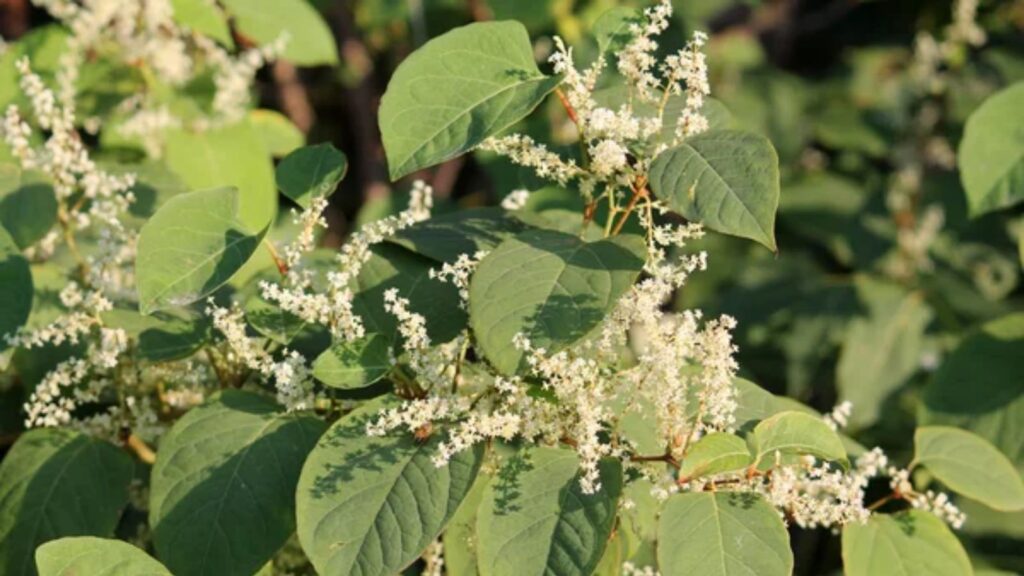
Japanese Knotweed
Japanese knotweed is one of the toughest invasive plants to remove once it takes hold. Its underground rhizomes spread far beyond what you can see above ground, allowing new shoots to pop up several feet away from the original plant.
It can grow close to 10 feet tall in a single season and quickly crowd out nearby plants. Removing it often takes years of persistence, making it one of the last plants most gardeners would willingly introduce into their yard.
Related: 12 Common Garden Plants That Are Surprisingly Poisonous
Poison Ivy
Poison ivy is best admired from a distance. While it blends easily into natural areas with its glossy green leaves, it contains an oily substance called urushiol that causes itchy, painful rashes in most people who touch it.
The plant also spreads through underground roots and seeds carried by birds, making it easy for small patches to become much larger over time. Learning to recognize its familiar “leaves of three” can help you avoid an unpleasant encounter.
Related: 12 Deer-Resistant Plants That Help Protect Your Garden
English Ivy
English ivy has long been planted to cover walls, fences, and bare ground, but it often grows far beyond where it’s wanted. Its vines climb trees, spread across flower beds, and can even damage brick, wood, and mortar over time.
Left unchecked, it forms thick mats that block sunlight from reaching other plants. Regular trimming helps, but many homeowners eventually find themselves fighting to keep it under control.
Related: 15 Creative Upcycled Planters That Will Transform Your Garden
Morning Glory
Morning glories produce beautiful trumpet-shaped flowers that open with the morning sun, making them easy to fall in love with. The problem is that many varieties reseed freely and spread much faster than expected.
Their vines wrap tightly around fences, shrubs, and garden plants, often smothering anything growing nearby. If you enjoy growing morning glories, keeping them confined to a trellis and removing seed pods before they mature can help limit unwanted spreading.
Related: 10 Ground Covers That Beautify Your Garden and Prevent Erosion
Wisteria
When covered with hanging clusters of purple blooms, wisteria is one of the most striking vines you can grow. It also happens to be one of the most vigorous.
Some varieties can stretch dozens of feet, wrapping around trees, pergolas, fences, and even gutters. Without regular pruning, wisteria quickly becomes tangled and difficult to manage. If you decide to grow it, be prepared to give it plenty of space and consistent attention.
Bamboo
Bamboo creates a beautiful natural screen, but many running varieties spread through underground rhizomes that travel well beyond the original planting area.
Before long, shoots may begin appearing throughout the lawn or even in neighboring yards. Clumping bamboo is usually a better choice because it grows in tighter clumps instead of spreading aggressively. If you choose a running variety, installing a root barrier is almost essential.
Stinging Nettle
At first glance, stinging nettle looks like an ordinary leafy plant. A closer encounter quickly changes that opinion. Tiny hairs covering the stems and leaves release chemicals that can cause a painful, itchy burning sensation after contact.
It also spreads through underground roots, allowing dense patches to form if left alone. While the young leaves are edible after proper cooking, most home gardeners prefer to keep this plant out of areas where people frequently walk or work.
Purple Loosestrife
Purple loosestrife produces tall spikes covered with bright purple flowers that attract plenty of attention. Unfortunately, it’s considered highly invasive in many parts of North America.
The plant produces enormous numbers of seeds that spread easily through wind and water. Once established, it can crowd out native wetland plants and reduce habitat for wildlife. Many states discourage or even prohibit planting it because of its effect on local ecosystems.
Mint
Fresh mint is a wonderful herb for tea, desserts, and cooking, but planting it directly in the garden often leads to regret. Underground runners spread quickly, allowing mint to creep into nearby flower beds and vegetable gardens.
Many experienced gardeners grow mint in pots or raised containers instead. This keeps it contained while still providing a steady harvest throughout the growing season.
Giant Hogweed
Giant hogweed is impossible to ignore. Its towering stems and enormous flower heads make it one of the largest plants found in many landscapes.
Its impressive size comes with serious risks. The sap contains chemicals that can cause severe skin burns when exposed to sunlight. It also spreads readily by seed, making early removal important wherever it appears.
Dandelion
Dandelions are one of the most familiar weeds in lawns and gardens. Their cheerful yellow flowers quickly turn into fluffy seed heads that float across the yard with the slightest breeze.
Although they’re edible and often used in salads, teas, and herbal remedies, they spread so easily that a few plants can soon become dozens. Pulling them before they produce seeds is the easiest way to keep their numbers under control.
Butterfly Bush
Butterfly bushes are loved for their colorful blooms and their ability to attract butterflies and other pollinators. Still, they’re considered invasive in several regions because they spread easily beyond cultivated gardens.
Self-seeding varieties can take root in natural areas, where they compete with native plants. If you enjoy butterfly bushes, look for newer sterile cultivars that produce few or no seeds while still providing plenty of flowers.
Purple Coneflower
Purple coneflowers are a favorite in pollinator gardens, producing long-lasting blooms that attract bees and butterflies throughout the summer. They’re generally much better behaved than many invasive plants, but they can spread through self-seeding if spent flowers are left in place.
Deadheading faded blooms helps limit volunteer seedlings while encouraging more flowers during the growing season. If you enjoy a more natural garden, letting a few seed heads remain also provides food for goldfinches and other birds later in the year.