
Actually, there is nothing as amazing as the ability of plants to enhance the aesthetic value of any place and also create numerous opportunities for enhancing people’s lives, including increasing fresh air circulation and reducing stress levels. But to increase the lifespan of your plants, doing so requires more than just watering.
If specific care measures that are appropriate for your plants are adopted and favorable growth conditions are provided, then they should be able to grow for years. This document will guide you through various practical ways of ensuring your plants live healthily and longer, and bring natural beauty into your home.
Know Your Plant

Not all plants have the same requirements; some may require more water, others require a different amount of light, humidity, and temperature. When making the decision to buy a new plant, one should spend some time studying its needs. Some plants need to be placed in direct sunlight while others need to be positioned in a shady place. Knowledge of these differences is crucial in offering your green friends the best care possible.
Water Properly

Watering is probably one of the most essential things you will need to do when tending to your choice of plants. One thing is certain: it is just as damaging to overwater the plants as to underwater them or even more damaging. The amount of water required in plants differs according to the size of the plant, type of soil, and temperature, among others. In general, it’s favorable to water the plants in the morning to avoid the strong sunlight from evaporating the moisture in the air before reaching the roots of the plant.
Feed Your Plants

As stated, the plants also have some basic needs like human beings in terms of nutrients on the plantation. Some soil can offer some of the essential minerals, but it is usually limited in the amount required by plants for their growth. Feeding your plants can aid in replenishing these nutrients and thus the healthy growth of the plant. But of course, it is necessary to fertilize the plants properly; choose the right type of fertilizer for a specific plant, and always follow the instructions not to harm the plants with an excess of fertilizer.
Provide Adequate Light

According to the National Library of Medicine, Light is an intricate part of the life of a plant since it influences photosynthesis, which is vital, and it plays a major role in the production of food. Some plants need direct sunlight, while there are others need indirect or filtered sunlight. Obviously, to know the amount of light your plant needs to optimally thrive, you should learn about your particular plant type. If you don’t get much natural light in your home, you should consider using artificial grow lights as a supplement.
Monitor Humidity Levels
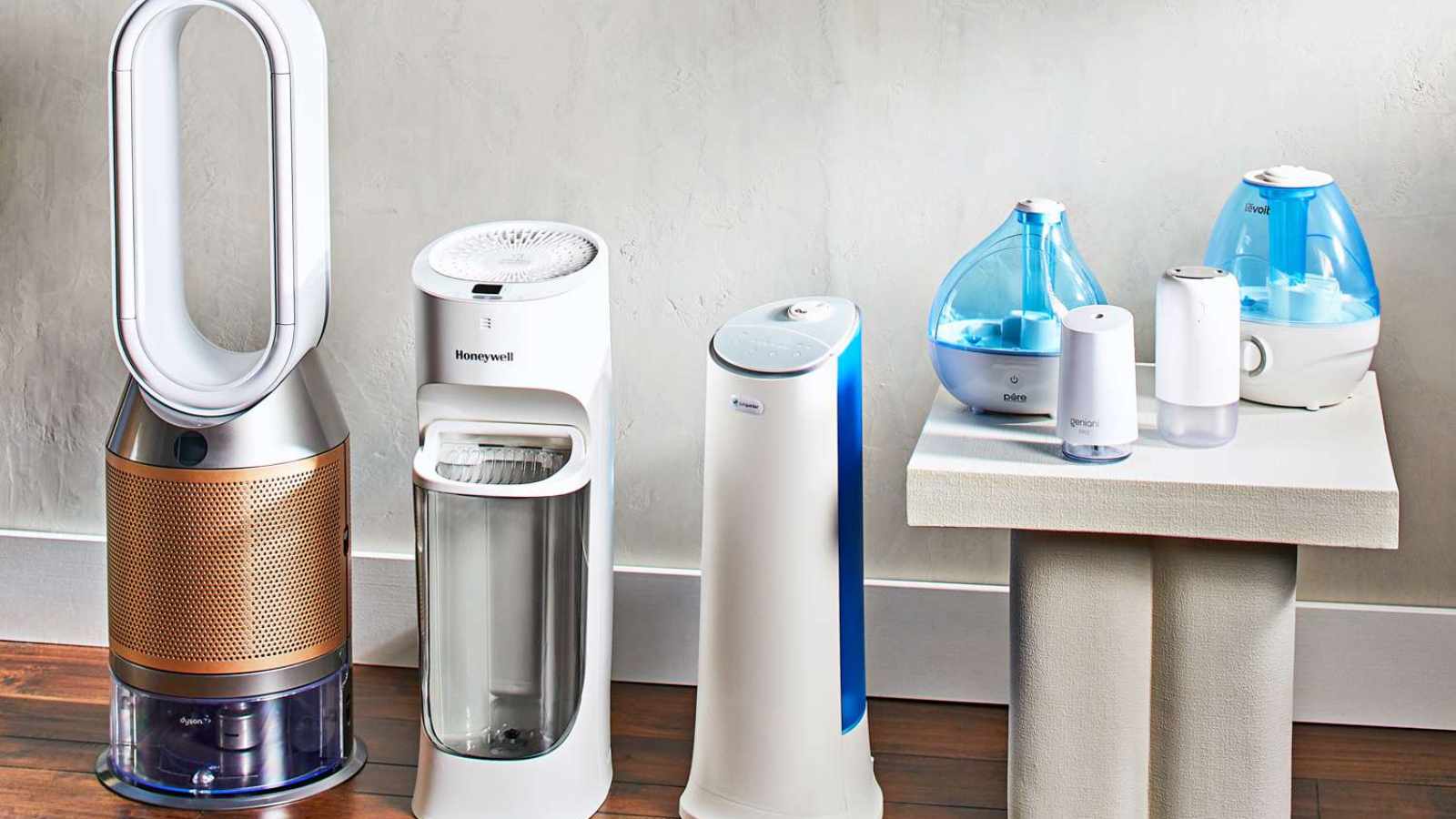
Plant humidity, since most interiors have different levels of humidity than ideal for plant growth. In general, most plants seem to thrive well when the relative humidity is between 40% and 60%. During the dry winter, there is low humidity, and you can add to the humidity around planting by the use of a humidifier or a mister. Avoid pouring a large volume of water on the leaves of your plants because this causes mold and similar problems.
Prune Regularly
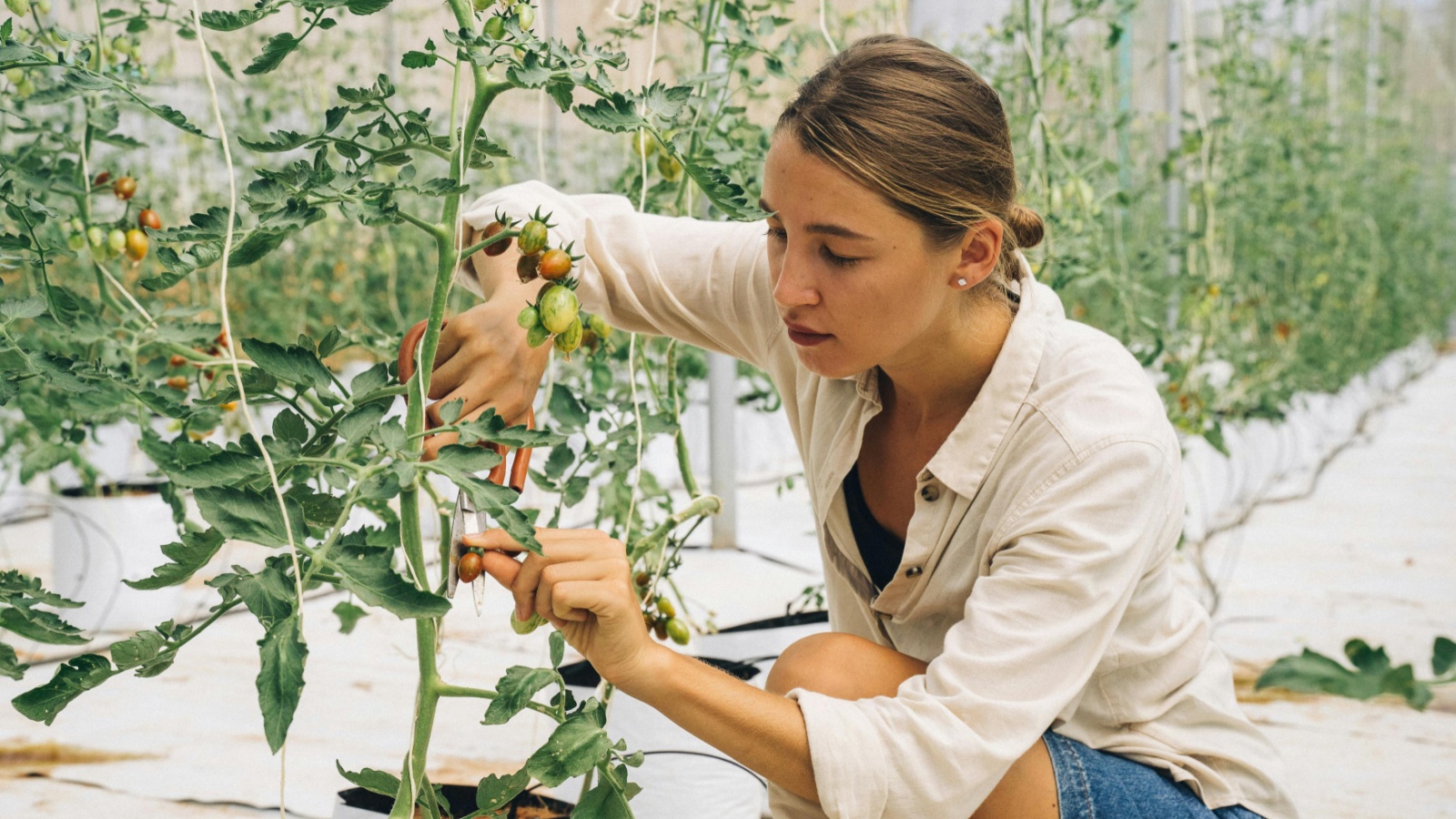
According to Joegardner.com, Trimming is important in that it helps to shape your plants and to prevent diseases from affecting them. It entails the pinching out of old or rotting leaves and second branches to encourage the growth of fresh branches and to arrest the disease-causing agents.
Keep Your Plants Clean
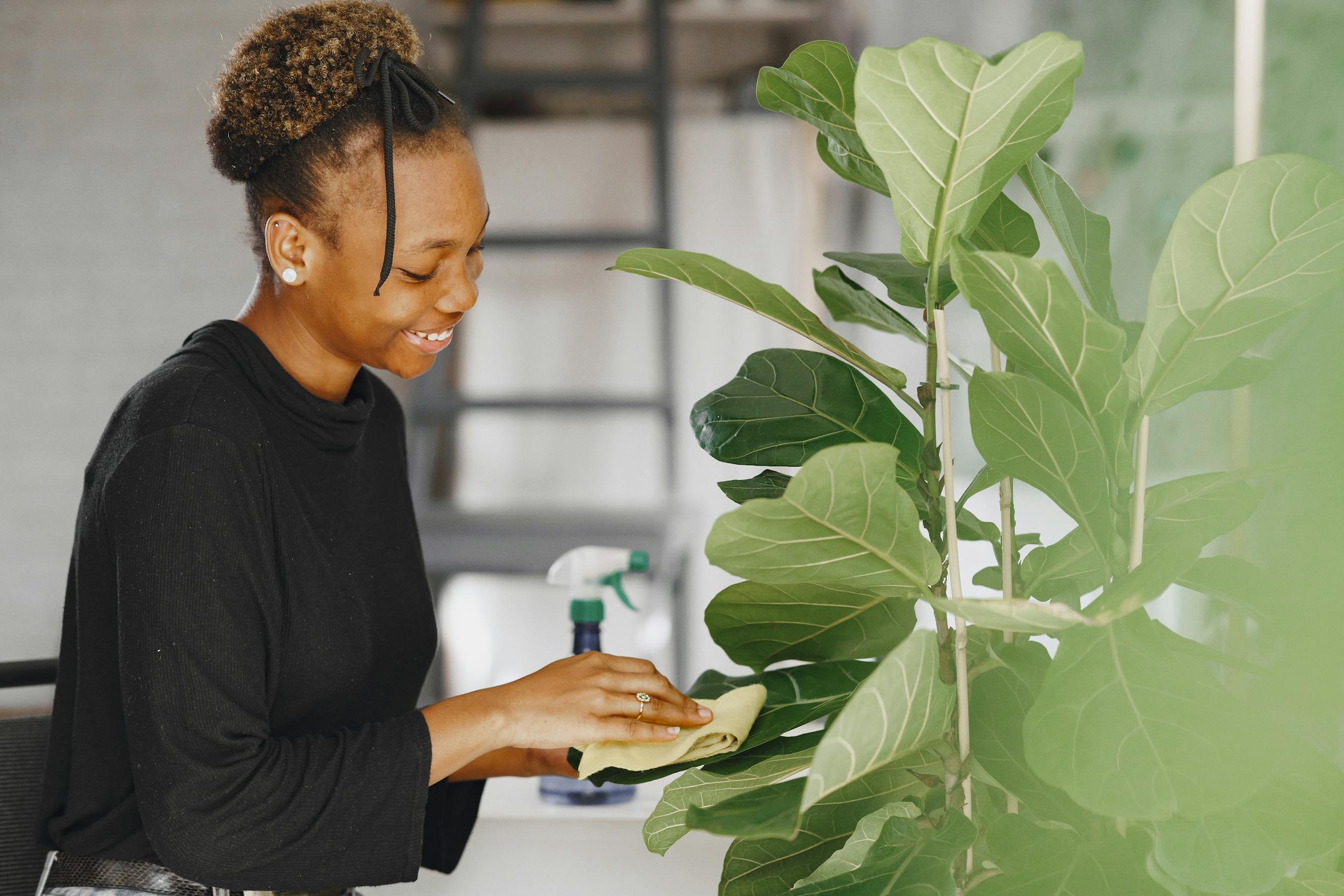
Dust can accumulate on your plant leaves, reducing the plant’s chlorophyll manufacturing process, thereby leading to pest attacks. To clean your plant’s leaves, you should try to wash them using a cloth moistened with water at least once a week to maintain their brilliant colors.
Rotate Your Plants

Not merely this, the way in which the sun shines sometimes leaves some areas of a plant in the shade for long periods of time, so the plants can ensure balanced growth. It also has a good advantage over other types of lighting since it prevents plants from growing bent to one side because of exposure to uneven light.
Choose the Right Pot

The type of pot used for your plants greatly affects their health and their ability to live longer. Bear in mind that you need to pick up a pot with the right drainage holes since water stagnation in the pot results in root rot. Also consider using those pots which are transparent, metallic, or clay and which allow air to circulate by passing through holes towards the centre of the pot.
Don’t Be Afraid to Repot
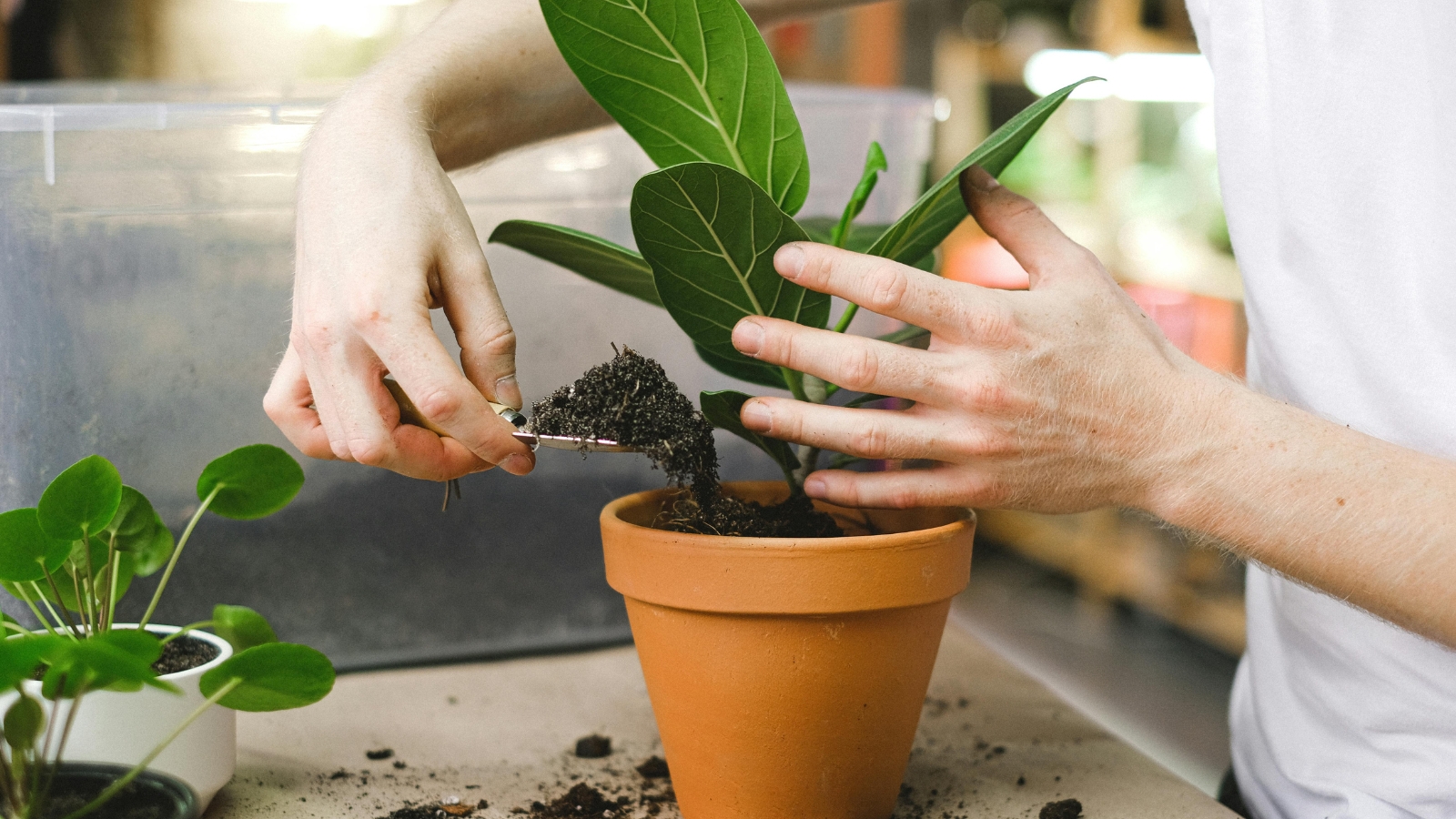
Gardening: New, fresh leaves mean the plants may outgrow the pot they are in and need to be transferred to a new pot. Some of the indications that it is time for your plant to be potted are when the roots begin to grow out from the bottom of the pot or when the foliage it has becomes too much on the top end of the pot, making the plant easily overturn. The best time to transplant is when you find that your plant has outgrown its pot; then it is time to use a slightly bigger pot and fresh soil.
Keep an Eye Out for Pests
Organic pests’ menace that could harm the plants include aphids, mealybugs, and spider Mites. Check on your plants from time to time, and look out for the first signs of invasion, including wilting or browning off of the leaves, or the presence of webs. In case this happens, treat the pests naturally or with organic pesticides, since this will not harm your plant.
Create a Routine

People should understand that coming up with a routine to which they have to care for their plants is very important for the health of the plants. It is extremely important to create a routine for how often to water, when to feed your plants, and how often to look for pests. So, if you find it hard to remember you need to water some plants or care for them, you can opt for turning on the reminder or opening a calendar daily.
Adjust for Seasonal Changes

Plants also have their requirement that shift from one season to another. For instance, they may need more water and light during the vegetation period and less, or no amounts at all, during the winter. These changes should be noted, especially for usage in responding to the care needs of the plants, throughout the season.
Know Your Plant’s Lifecycle

All plants go through their life cycle, which comprises the growing period, flowering stage, and even dormant stages. It is also important that you gain knowledge about the life cycle of every plant that you have, so you know what to do for it in that specific period. This knowledge will enable you to understand how to work with your plants during their different phases.
Practice Pest Management
Apart from mechanical control, it is always advisable for the community to practice structural pest control. This can range from using the natural enemy, such as ladybugs, to controlling insect pests through neem oil sprays. Cleanliness serves as a way of reducing the chances of pests forming a colony in the house, and taking measures can help to control small pest problems from developing into larger ones.
Avoid Drafts and Temperature Extremes
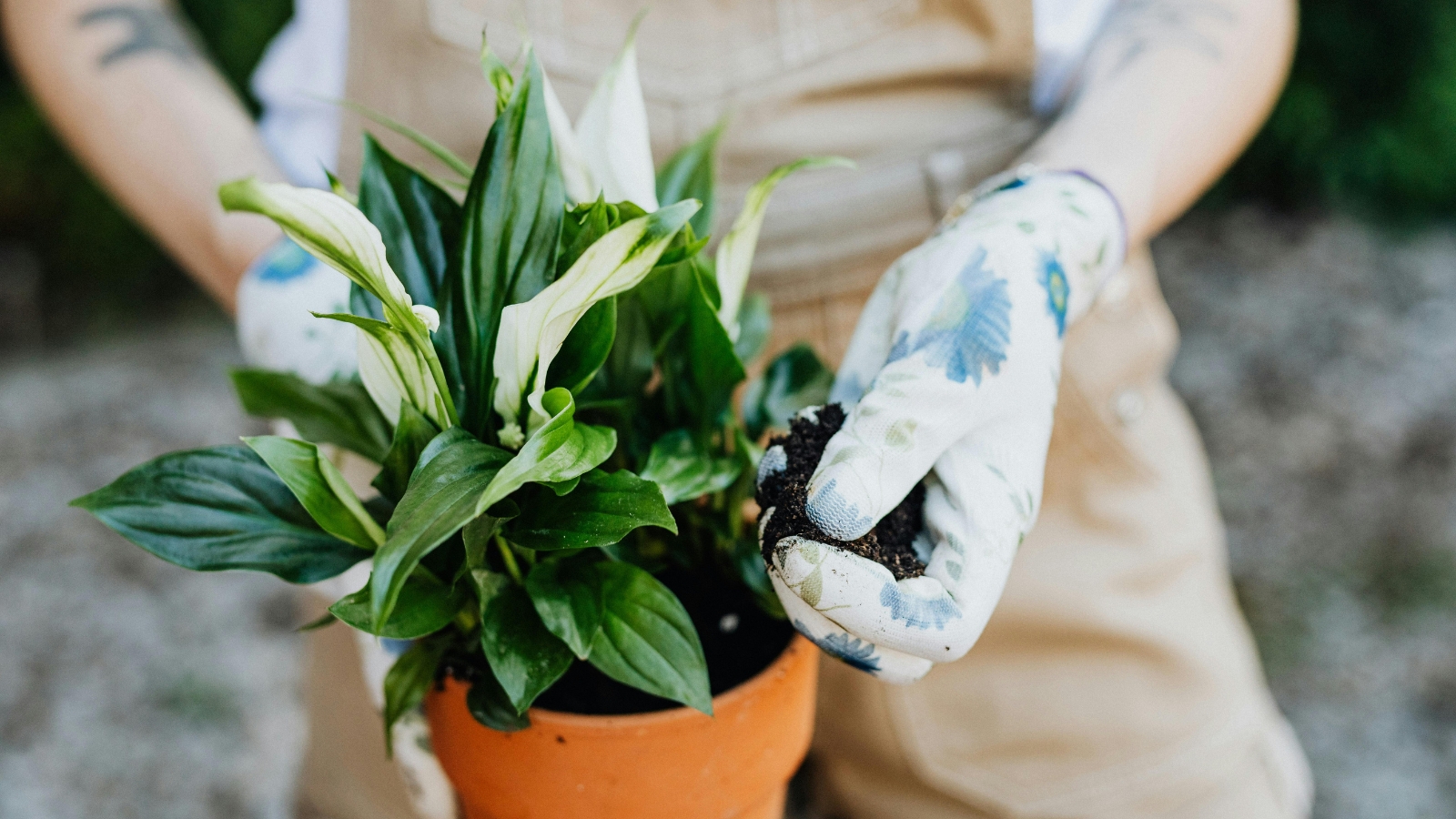
Weather factors such as heat or cold and draughts can put stress on plants; therefore, they are not healthy. This is the last step in the process of protecting your plants. Place your flowers away from air conditioning vents, heaters, or drafty windows. Stability will ensure that your plants do not undergo stress, which is not necessary for the growth of the plant.