Growing your own vegetables doesn’t have to mean spending hours dragging a hose around the garden. Many vegetables are surprisingly resilient and can keep producing with less water than you might expect once they’re established. That makes them a smart choice if you live in a dry climate, want to cut back on water use, or simply prefer a lower-maintenance garden.
While every vegetable needs water during germination and periods of extreme heat, these 12 varieties are known for handling drier conditions better than many others. Pair them with healthy soil and a layer of mulch, and you’ll spend less time watering and more time enjoying your harvest.
Cucumbers
Cucumbers grow best in rich, well-drained soil and appreciate deep watering while they’re flowering and producing fruit. Once established, they don’t need daily watering. A layer of mulch around the base helps the soil stay moist longer and reduces the need for frequent watering.
Related: 15 Vegetables That Attract Beneficial Pollinators
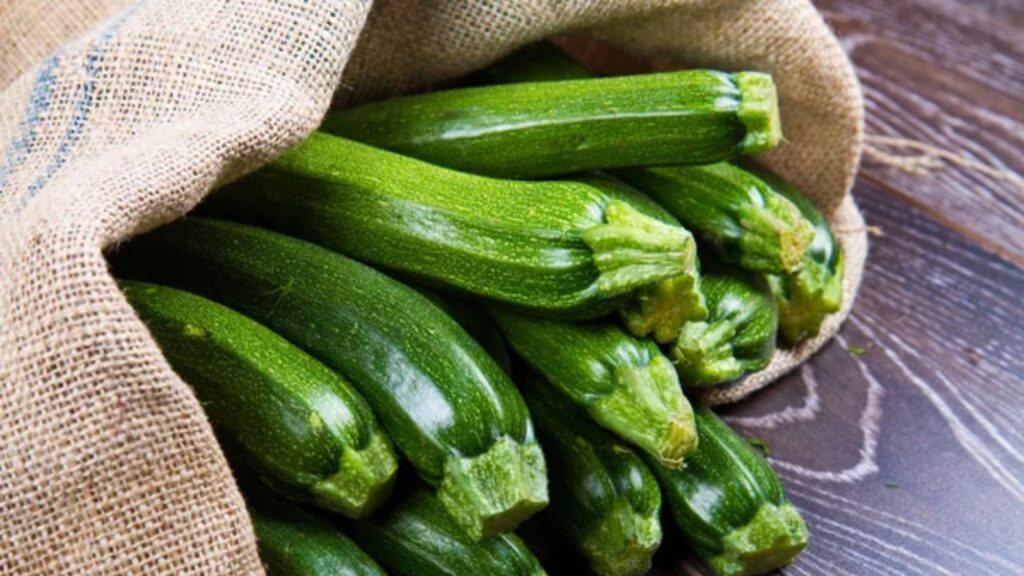
Zucchini
Zucchini is one of the easiest vegetables to grow. The plants grow quickly and usually produce plenty of squash with deep watering once or twice a week, depending on the weather. Full sun and well-drained soil will keep them growing strong throughout the season.
Radishes
Radishes mature quickly and don’t demand much attention. They grow well with moderate watering, especially during the first few weeks. As long as the soil doesn’t dry out completely, they’ll develop crisp, flavorful roots without needing constant irrigation.
Carrots
Carrots need evenly moist soil while the seeds are sprouting, since germination can take a little time. Once the roots begin developing, a deep watering every week is often enough in most gardens. Loose, well-worked soil also helps produce straight, healthy carrots.
Related: 13 Surprising Vegetables That Thrive Without Soil
Potatoes
Potatoes tolerate fairly dry conditions once the plants are established, though they produce the best harvest with consistent moisture while the tubers are forming. Deep watering every week usually provides enough moisture without leaving the soil soggy.
Peppers
Peppers love warm weather and don’t need constant watering. Allow the top layer of soil to dry slightly between waterings, then soak the soil deeply. This encourages stronger roots and healthier plants while helping prevent common problems caused by overwatering.
Spinach
Spinach prefers cool weather and evenly moist soil, but it doesn’t need constant watering if the soil holds moisture well. Water deeply whenever the top inch of soil begins to dry, and add mulch to help the soil stay cooler during warmer days.
Related: 15 Vegetables That Thrive in Acidic Soil
Green Beans
Green beans are dependable garden favorites that produce generous harvests without demanding much care. They handle short dry spells well once established. Water deeply once or twice a week, keeping the soil evenly moist without letting it become waterlogged.
Lettuce
Lettuce grows best with regular moisture, especially during warm weather. A thick layer of mulch and partial afternoon shade can reduce how often you need to water. Deep watering every few days is usually enough, depending on temperatures and your soil type.
Tomatoes
Tomatoes perform better with deep, infrequent watering than with light daily watering. Giving plants about one to two inches of water each week encourages deep root growth and helps produce flavorful tomatoes. Water at the base of the plant to keep the leaves dry.
Related: 12 Garden Vegetables That Require Minimal Watering
Onions
Onions are fairly drought-tolerant once they’re established. They grow best in full sun and loose, well-drained soil. Weekly watering is usually enough while bulbs are developing, with less water needed as harvest time gets closer.
Garlic
Garlic is one of the easiest vegetables to grow and doesn’t ask for much once it’s established. Keep the soil evenly moist during early growth, then gradually reduce watering as the bulbs mature. Avoid letting the soil stay overly wet, which can lead to rot.
Growing vegetables doesn’t have to mean using large amounts of water. Choosing crops that naturally tolerate drier conditions, improving your soil with organic matter, and adding mulch around your plants can help your garden stay productive while cutting back on watering. It’s a practical way to save time, conserve water, and still enjoy a plentiful harvest.