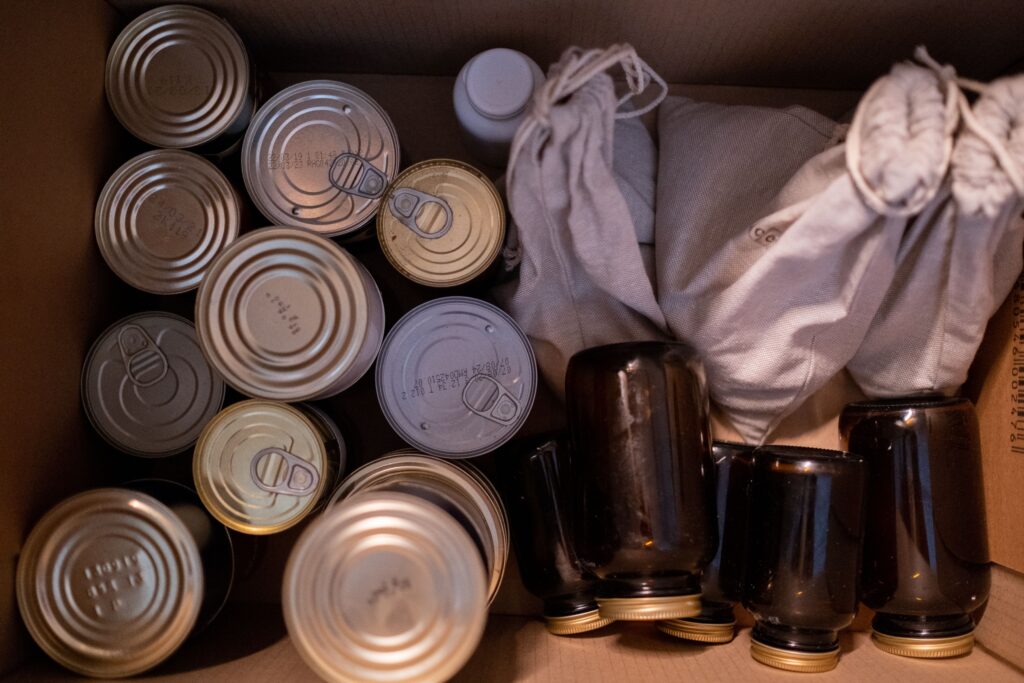
Building a food stockpile doesn’t mean buying a cart full of groceries or spending hundreds of dollars in one trip. Setting aside an extra $10 each week gives you $520 over a year to put toward pantry staples and other supplies your household uses.
The trick is to build your supply a little at a time instead of trying to buy everything at once. Watch for sales, choose foods your family enjoys, and add items that will help you put meals on the table during an emergency or a tight week.
Give the $10 Its Own Job
Treat your weekly $10 as a separate part of your grocery budget, and decide what your pantry needs before heading to the store. One week might be for canned vegetables, while the next could be for rice, peanut butter, or another staple your family uses regularly.
Related: 13 Sneaky Food Safety Problems Lurking in Your
Buy Whatever Is on Sale That Week
Let store sales guide your purchases instead of buying the same items every week at full price. If beans are marked down, buy a few cans and save the money for tomatoes or pasta when their prices drop.
Combine Sales With Coupons and Cash Back
Store coupons, loyalty rewards, and cash-back offers can help your $10 go a little further. Use them on foods already on your shopping list rather than buying something you wouldn’t normally eat just because it’s discounted.
Start With Inexpensive Shelf-Stable Foods
Rice, dried beans, pasta, oats, and canned vegetables are affordable staples that can fit into plenty of meals. Add a few items each week so your pantry grows at a pace your budget can handle, without ending up with the same food.
Related: 20 Healthy Food Habits Worth Stealing From Other Countries
Give Store Brands a Chance
Store-brand groceries often cost less than name-brand versions, leaving a little more money for other pantry items. Compare prices on canned vegetables, beans, pasta, oats, and flour instead of assuming the familiar label is the better buy.
Build Around Foods You Already Eat
A food stockpile is far more useful if it contains things your household will actually enjoy eating. If pasta is a weekly dinner staple, stock up on pasta and sauce, but don’t spend your limited budget on canned peas if nobody in your home likes them.
Check Discount Grocers Before Paying Full Price
Aldi, discount grocery stores, and salvage grocers may offer pantry staples at lower prices than nearby supermarkets. Compare prices at stores in your area because the cheapest place for one item may not be the cheapest for everything else.
Related: Looking for Cheap Groceries? 13 Best Grocery Stores for Budget Shoppers
Look for Seasonal Deals From Local Growers
Farm stands and farmers’ markets sometimes lower prices when certain fruits and vegetables are plentiful, making it a good time to buy produce you can use or preserve. Home gardeners can also set aside part of their harvest for future meals, as long as they follow safe canning, freezing, or drying methods.
Add Shelf-Stable Protein
It’s easy to fill a pantry with cheap rice and pasta while forgetting to add protein sources your family needs for balanced meals. Set aside some money each week for dried or canned beans, lentils, peanut butter, canned fish, or canned meat that fits your household’s tastes.
Related: Canned Meats With a Long Shelf Life to Stock in an Emergency Pantry
Choose Ingredients That Can Make Several Meals
Your money goes further when you buy staples you can use in different recipes rather than foods with only one purpose. Oats, rice, beans, pasta, and canned tomatoes can form the base of many breakfasts, lunches, and dinners.
Related: 23 Overnight Oats Recipes Packed With Flavor
Don’t Forget Water
Food is only part of emergency planning, so make room in your budget for safe drinking water, too. Add water to your supply gradually, and follow guidance for suitable containers, storage conditions, and replacement dates.
Use a Stockpile List to Fill the Gaps
After a few weeks of shopping, check what you already have before spending another $10. You may find that you’re well stocked on pasta but short on canned vegetables, protein, breakfast foods, or other items your household uses often.
Rotate Instead of Storing and Forgetting
Food can go to waste if you keep adding new purchases without using the older ones. Place newer items behind older packages, use the food with the earliest date first, and replace what you’ve eaten when prices are good.
Protect What You’ve Already Bought
Moisture, pests, heat, and damaged packaging can ruin the groceries you’ve worked hard to save for later. Store food in a cool, dry place, use clean food-safe containers when needed, and check storage instructions for each item rather than treating every food the same way.