Food is about much more than filling your stomach. It brings people together, keeps traditions alive, and gives us a glimpse into how different cultures live. Across the globe, people have developed eating habits that make room for fresh ingredients, balanced meals, and plenty of time around the table.
Some of these habits are surprisingly simple. Eat more vegetables. Use herbs and spices for flavor. Share meals with family. Choose whole grains. Enjoy smaller portions. None of these ideas require a complete overhaul of your kitchen or grocery list.
Research on long-lived communities, including the Blue Zones, has also drawn attention to diets built largely around beans, vegetables, whole grains, fruit, nuts, and other plant foods. The CDC also recommends a healthy eating pattern filled with nutrient-dense foods as part of reducing the risk of chronic disease.
Here are 20 food habits from different countries that are worth borrowing.
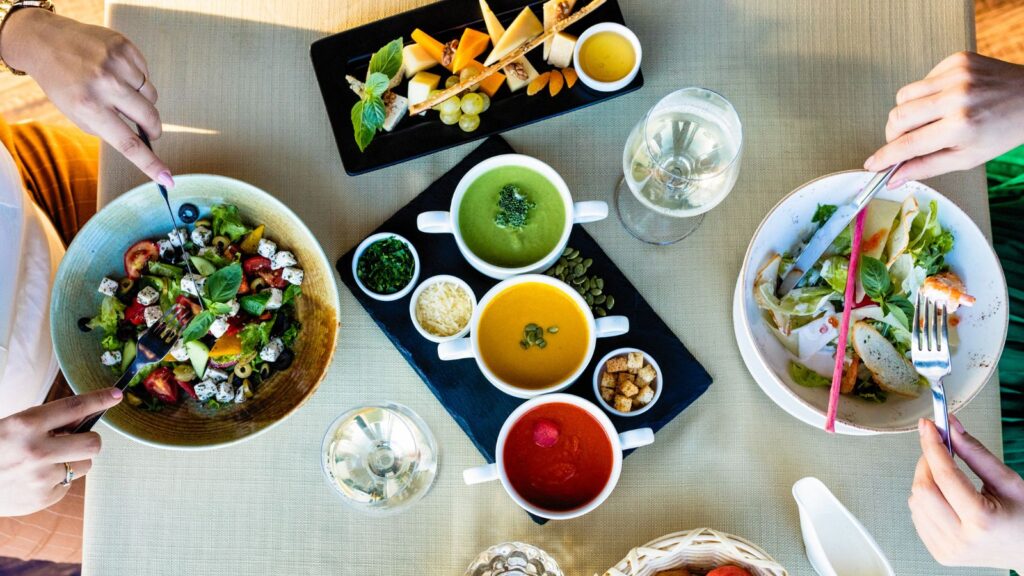
Japan: Stop Eating Before You’re Stuffed
In Okinawa, you may hear the phrase hara hachi bu, a traditional reminder to stop eating before you feel completely full. The idea encourages people to pay attention to hunger and fullness rather than eating until the plate is empty.
Traditional Okinawan meals also make plenty of room for vegetables, sweet potatoes, tofu, and other plant foods. Fish and rice are common parts of Japanese cooking too.
You don’t have to follow a strict rule to try the idea. Eating a little slower and checking whether you’re still hungry before going back for more can be a useful habit.
Related: 10 Common Kitchen Mistakes That Make Food Go Bad Faster
Greece: Build Meals Around Mediterranean Foods
Greek cooking is a great example of the Mediterranean eating pattern. Vegetables, beans, lentils, whole grains, fish, olive oil, herbs, and nuts all have a place at the table.
The Mayo Clinic notes that the Mediterranean diet has been linked with several health benefits, including better heart health.
A Greek-inspired meal doesn’t have to be complicated. A bowl of beans, tomatoes, cucumbers, olives, whole-grain bread, and a little feta can make a satisfying lunch or dinner.
India: Let Spices Do the Heavy Lifting
Indian cooking is packed with spices that bring plenty of flavor to everyday meals. Turmeric, cumin, coriander, ginger, cardamom, and cinnamon can turn a basic dish into something much more interesting.
Turmeric contains curcumin, a compound that has been studied for its anti-inflammatory properties. The amount used in ordinary cooking is fairly small, so turmeric shouldn’t be treated as a cure or replacement for medical care.
Still, using herbs and spices in place of some of the salt, sugar, or heavy sauces in a meal is an easy kitchen habit worth trying.
Related: 10 Leftover Storage Mistakes That Could Be Ruining Your Food
Nordic Countries: Eat More Fatty Fish
Salmon, herring, and mackerel are common in Nordic cooking and provide omega-3 fatty acids, protein, vitamins, and minerals.
The American Heart Association recommends eating fish, particularly fatty fish, twice a week as part of a heart-healthy eating pattern.
Try serving salmon with roasted root vegetables and rye bread for a simple meal inspired by Nordic cooking.
Italy: Make Meals a Social Event
In Italy, meals can be a time to slow down and spend time with family and friends rather than something squeezed between other activities.
Eating at a table and taking your time can make meals feel more satisfying. It also gives you a chance to pay attention to what you’re eating instead of rushing through it.
Italian cooking also makes good use of tomatoes, beans, vegetables, olive oil, fish, whole grains, and other basic ingredients. Pasta can certainly fit into the picture too; portion size and the ingredients served with it make a difference.
Thailand: Mix Up Your Flavors
Thai cuisine is known for combining sweet, sour, salty, spicy, and savory flavors in the same meal. Fresh herbs, chilies, lime, garlic, ginger, lemongrass, and basil add plenty of taste without requiring heavy sauces.
This is a useful lesson for anyone who finds healthy meals boring. A squeeze of lime, a handful of fresh herbs, or a little chili can completely change a dish.
Thai-style cooking also makes it easy to combine vegetables, lean proteins, noodles, rice, and flavorful broths in one meal.
Related: 16 Food-Producing Plants That Are Perfect for Small Indoor Spaces
Ethiopia: Make Teff Part of the Meal
In Ethiopian cuisine, injera is a fermented flatbread traditionally made from teff flour. It serves as both part of the meal and a way to scoop up stews, vegetables, and other dishes.
Teff is a whole grain that provides fiber, protein, iron, and other nutrients. Injera is also naturally gluten-free when made entirely from teff, though some commercially prepared versions may contain other grains.
Ethiopian meals often include lentils, beans, vegetables, and richly seasoned stews, making the cuisine a great source of ideas for plant-forward meals.
Korea: Include Fermented Foods
Kimchi is probably the best-known Korean fermented food, but it isn’t the only one. Korean cooking also includes fermented soybean products, pastes, and sauces.
Fermented foods can contain live microorganisms, depending on how they’re made and stored. Foods such as kimchi, miso, and certain types of yogurt can add variety to meals.
Try adding a small serving of kimchi to rice, eggs, noodles, or a simple bowl of vegetables for an easy burst of flavor.
France: Pay Attention to Portions
French meals are often associated with enjoying rich foods in modest portions rather than avoiding them completely.
A small piece of cheese, a little dessert, or a few bites of a rich dish can feel more satisfying when you actually take time to enjoy it.
The bigger lesson is moderation. Instead of labeling favorite foods as completely off-limits, keep portions reasonable and make room for a variety of foods throughout the week.
Mexico: Put Beans on the Menu
Beans are a staple in many Mexican dishes, and they’re an inexpensive source of protein, fiber, iron, and other nutrients.
Black beans, pinto beans, and other varieties can be added to soups, tacos, rice dishes, salads, or served on their own.
Pair beans with vegetables, salsa, corn tortillas, avocado, or a little cheese and you’ve got the makings of a filling meal without relying heavily on meat.
Vietnam: Load Up on Fresh Herbs
Vietnamese cuisine makes great use of fresh herbs such as cilantro, mint, Thai basil, and Vietnamese coriander.
Fresh herbs add color and flavor without adding much energy to a meal. They can also make simple foods taste much more interesting.
Add a handful of herbs to noodle bowls, soups, rice dishes, wraps, or salads. A squeeze of lime can bring everything together.
Related: 17 Food Debates That Americans Still Can’t Agree On
China: Eat a Wide Range of Foods
Traditional Chinese meals often include several different foods at the same time, such as vegetables, rice, tofu, fish, meat, and soup.
That variety makes it easier to get different nutrients throughout the day. Stir-frying can also be a practical way to cook vegetables quickly while using a modest amount of oil.
Green tea is another familiar part of Chinese food culture. Unsweetened tea can be an easy alternative to sugary drinks.
Spain: Take Time With the Main Meal
Spanish meal schedules have traditionally allowed more time for lunch and socializing, and the midday meal can be larger than dinner.
The famous siesta is a cultural tradition, but it shouldn’t be treated as a guaranteed digestive or weight-control trick. A short rest after lunch can be enjoyable, but eating balanced meals and getting enough sleep matter much more for overall health.
Spanish cooking also offers plenty of ideas worth borrowing, including vegetables, beans, seafood, olive oil, tomatoes, and whole grains.
Turkey: Try Ayran With a Meal
Ayran is a traditional Turkish drink made from yogurt, water, and salt. It’s cool, tangy, and commonly served with meals.
Plain yogurt provides protein and calcium, while fermented yogurt can contain live cultures. Since ayran can contain quite a bit of salt, it’s best enjoyed as part of an overall balanced diet.
If you’re looking for a refreshing alternative to soda, an unsweetened yogurt drink can be an interesting option.
Lebanon: Make Room for Mezze
Lebanese meals often include mezze, a collection of small dishes served for sharing. Hummus, tabbouleh, baba ghanoush, stuffed vegetables, olives, and other dishes can all appear on the table.
This style of eating naturally brings variety to a meal. Instead of relying on one large main dish, you get smaller portions of several different foods.
Mezze is also meant to be shared, turning a meal into a social event rather than something eaten quickly and alone.
Morocco: Season Food With Spices
Moroccan cooking gets much of its flavor from spices and herbs. Cumin, cinnamon, ginger, turmeric, paprika, coriander, and saffron can all appear in traditional dishes.
Using spices generously can make food flavorful without depending entirely on salt.
Tagines, slow-cooked Moroccan stews, are a great example. Vegetables, chickpeas, meat, dried fruit, and spices can simmer together to create a filling meal.
Brazil: Enjoy Fresh Fruit
Brazil’s climate provides access to a wide range of tropical fruits, including papaya, mango, passion fruit, guava, pineapple, and açaí.
Fresh fruit makes an easy snack or dessert and provides fiber, vitamins, minerals, and naturally occurring sugars.
Craft Your Happy Place also has a helpful guide to fruits that shouldn’t be refrigerated, which can help you store produce properly and reduce unnecessary food waste.
Açaí bowls have become especially popular outside Brazil, though many versions served elsewhere contain plenty of added sugar. A simpler bowl with unsweetened açaí, fruit, and nuts can be a better everyday choice.
Germany: Choose Whole-Grain Bread
German bakeries are famous for hearty breads made with rye, spelt, seeds, and other whole grains.
Whole-grain bread can provide more fiber and nutrients than refined white bread. The Harvard T.H. Chan School of Public Health recommends making whole grains a regular part of a healthy eating pattern.
Top a slice of rye bread with cottage cheese, vegetables, smoked fish, or a thin spread of nut butter for a filling breakfast or lunch.
Indonesia: Give Tempeh a Try
Tempeh is a fermented soybean food that has been part of Indonesian cuisine for generations. It has a firm texture and nutty flavor, making it a useful option for people who want to eat more plant-based meals.
WebMD notes that tempeh provides protein along with several vitamins and minerals.
Slice it, marinate it, bake it, grill it, or add it to a stir-fry. It can take on the flavors of the ingredients around it while providing a satisfying texture.
Switzerland: Start With Bircher Muesli
Bircher muesli was created in Switzerland and traditionally combines oats with milk or yogurt, fruit, and nuts.
It’s a simple breakfast that brings together whole grains, fruit, protein, and healthy fats. Oats also provide fiber, which can help make breakfast more filling.
This Bircher muesli guide offers more information about the traditional breakfast and its ingredients.
You can prepare it the night before, keep it chilled, and add fresh fruit in the morning.
Healthy eating doesn’t have to mean following one strict diet. Some of the most useful ideas come from ordinary food traditions: eat plenty of plants, choose whole grains, include beans and fish, season food with herbs and spices, and give yourself time to enjoy meals.
Borrowing a few of these habits can make everyday meals more varied without turning healthy eating into a chore.