Leftovers can save time, reduce food waste, and make meal planning much easier. Still, the way you store them matters just as much as the way you cook them. A few common mistakes can cause food to spoil sooner, lose its flavor, or even become unsafe to eat.
Here are some of the most common leftover storage mistakes and how to avoid them.
1. Not Cooling Food Properly
Leaving cooked food sitting on the counter for too long gives bacteria more time to grow. As a general rule, leftovers should be refrigerated within two hours after cooking.
To help food cool faster, divide large portions into smaller, shallow containers before placing them in the refrigerator.
Related: 14 Strange Food Competitions That Have Become Local Traditions
2. Using the Wrong Containers
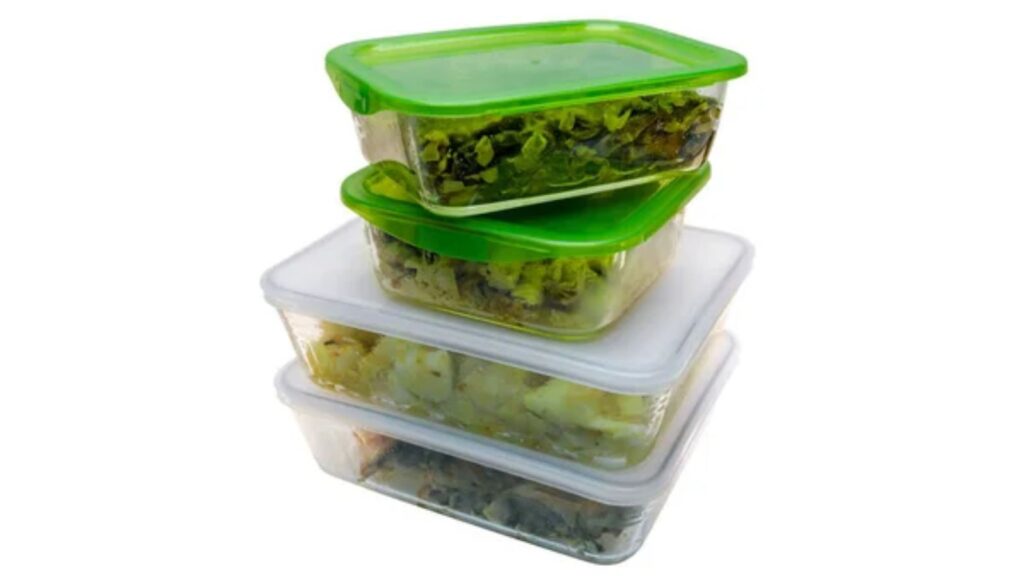
The container you choose can make a big difference in how long leftovers stay fresh. Airtight containers help lock in moisture, keep odors from spreading, and reduce exposure to air.
Containers with secure lids are usually a better choice than loosely covered bowls or thin plastic bags that can leak or allow food to dry out.
3. Overfilling Containers
Packing too much food into one container can trap heat and slow the cooling process. It can also make the container difficult to seal properly.
Filling containers with reasonable portions helps leftovers cool more evenly and makes reheating individual servings much easier.
Related: 21 Celebrities You Didn’t Realize Have Food-Related Names
4. Forgetting to Label and Date Leftovers
It’s easy to forget when leftovers were stored, especially if your refrigerator is full of similar containers.
Writing the date on each container makes it easier to use older leftovers first and helps prevent accidentally eating food that’s been sitting too long.
5. Not Reheating Food Thoroughly
Reheating leftovers until they’re piping hot is an important food safety step. According to a North Dakota State University study, leftovers should reach an internal temperature of 165°F to destroy harmful microorganisms.
Stirring food halfway through reheating helps distribute the heat more evenly, especially when using a microwave.
Related: 17 Food Debates That Americans Still Can’t Agree On
6. Storing Leftovers in the Refrigerator Door
The refrigerator door is one of the warmest parts of the appliance because it’s opened and closed throughout the day. Those temperature changes can affect leftover meals.
Store cooked foods on the center shelves instead, where the temperature stays more consistent.
7. Keeping Leftovers Too Long
Leftovers don’t last forever. The Mayo Clinic recommends eating refrigerated leftovers within three to four days.
Before reheating, check for signs that food has spoiled, such as an unusual smell, mold, or changes in color or texture. If you’re unsure whether it’s still safe, it’s better to throw it away.
8. Mixing Different Leftovers Together
Combining different meals in one container may save space, but it can shorten freshness and make it difficult to tell when each food should be used.
Storing leftovers separately helps preserve their flavor and makes it easier to keep track of how long each dish has been in the refrigerator.
Related: These 17 Foods Have Become Surprisingly Expensive
9. Not Covering Food Completely
Leaving food uncovered allows it to dry out and absorb odors from other foods in the refrigerator.
Use containers with tight-fitting lids or wrap dishes securely to help keep moisture in and maintain the food’s original flavor.
10. Putting Very Hot Food Straight Into the Refrigerator
Placing steaming hot food directly into the refrigerator can raise the temperature inside, making it harder for nearby foods to stay cold.
Allow hot dishes to cool slightly before refrigerating them, but don’t leave them sitting out for more than two hours. Once they’ve cooled enough, move them to the refrigerator so they stay fresh and safe to eat.