For generations, people have turned to plants for their everyday health needs. Many herbs and medicinal plants have been used in traditional remedies, teas, salves, and natural treatments passed down through families.
Growing these plants at home gives you a chance to enjoy their beauty while keeping useful herbs close by. Whether you have a backyard garden, a few containers on a patio, or a sunny balcony, many medicinal plants are surprisingly easy to grow.
Here are 12 plants that can make a useful addition to your home garden.
Aloe Vera
Aloe vera is one of the most popular medicinal plants for home gardeners. Its thick, fleshy leaves contain a cooling gel often used to soothe minor burns, dry skin, and small skin irritations.
This hardy succulent loves bright sunlight and needs very little water, making it a great choice for beginners. Keep it in a pot with well-draining soil, and it can thrive indoors or outdoors in warm climates.
Peppermint
Peppermint is a refreshing herb with a strong aroma and many traditional uses. Its leaves are commonly brewed into tea and enjoyed after meals or used in homemade remedies.
This fast-growing plant prefers partial shade and moist, well-drained soil. Since peppermint can spread quickly, growing it in a container can help keep it from taking over your garden.
Chamomile
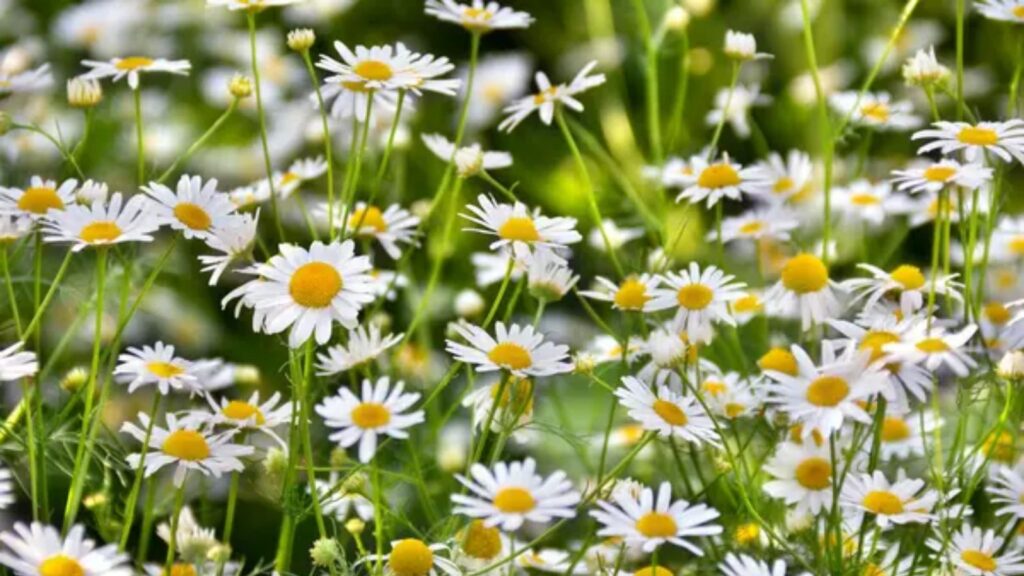
Chamomile is well known for its small, daisy-like flowers and soothing herbal tea. Many people enjoy chamomile tea in the evening as part of a relaxing bedtime routine.
This gentle flowering plant grows well in sunny locations and can be started from seeds. Once the flowers appear, they can be dried and stored for homemade teas.
Lavender
Lavender is loved for its fragrant purple flowers and calming scent. The dried flowers are often used in sachets, homemade bath products, and herbal blends.
This low-maintenance plant prefers full sun and soil that drains well. It also attracts bees and other helpful pollinators, making it a lovely choice for outdoor gardens.
Echinacea
Echinacea, also known as coneflower, is a colorful perennial that has long been used in traditional herbal practices. Many people take echinacea products during cold and flu season.
The plant grows well in sunny areas and is fairly hardy once established. Its purple flowers also bring plenty of color to garden beds while attracting butterflies and bees.
Lemon Balm
Lemon balm is a fragrant herb with a fresh lemon scent. Its leaves are often used to make tea and have traditionally been enjoyed for their calming qualities.
It grows well in both full sun and partial shade. Since it can spread quickly, planting it in a container or a separate garden area can help keep it under control.
Thyme
Thyme is a kitchen favorite that also has a long history in herbal remedies. Its small leaves contain natural compounds that have been studied for their antibacterial properties.
This hardy herb prefers plenty of sunlight and dry, well-drained soil. Once established, thyme needs very little attention and can be harvested throughout the growing season.
St. John’s Wort
St. John’s wort is a flowering herb traditionally used in herbal medicine. It is often associated with supporting emotional well-being and has been used in preparations for low mood.
The plant grows best in sunny areas with well-drained soil. Its bright yellow flowers make it an attractive addition to gardens, though anyone considering using it medicinally should research possible interactions with medications.
Calendula
Calendula, also called pot marigold, produces cheerful orange and yellow flowers that have been used in traditional skin care remedies.
The petals are often added to homemade creams, salves, and soothing preparations. This easy-growing flower enjoys sunlight and can bloom for much of the growing season with regular care.
Ginger
Ginger is both a popular cooking ingredient and a plant with a long history in traditional medicine. Many people use ginger tea to support digestion and ease occasional stomach discomfort.
It grows well in warm, humid conditions and can be planted in containers. The underground rhizomes can be harvested once the plant matures and used fresh or dried.
Ashwagandha
Ashwagandha is a plant commonly used in Ayurvedic traditions. Its roots have traditionally been prepared in powders, teas, and supplements.
This warm-weather plant prefers full sun and soil that drains well. Gardeners in cooler climates can grow it in pots and move it indoors when temperatures drop.
Rosemary
Rosemary is a fragrant herb that belongs in many kitchen gardens. Its needle-like leaves add flavor to roasted vegetables, breads, sauces, and many other dishes.
This woody herb enjoys sunny spots and does well in dry conditions once established. Fresh or dried rosemary leaves can also be used in teas, infused oils, and homemade herbal preparations.
Growing medicinal plants at home can bring beauty, fresh flavors, and traditional herbal options right outside your door. With the right growing conditions and regular care, these plants can become a useful part of your garden for years to come.