Growing your own food can be a great way to spend more time outdoors and have fresh produce close by. Still, a backyard garden has its limits. Some plants need very particular growing conditions, some are invasive, and others can be dangerous if they’re handled or prepared incorrectly.
A plant being difficult or unsuitable for a typical backyard doesn’t always mean it’s impossible to grow. Climate, local regulations, soil conditions, and proper processing can all make a difference.
Before adding an unusual plant to your garden, it’s worth checking whether it can grow safely in your area. Here are 15 foods and plants that may be poor choices for the average home garden.
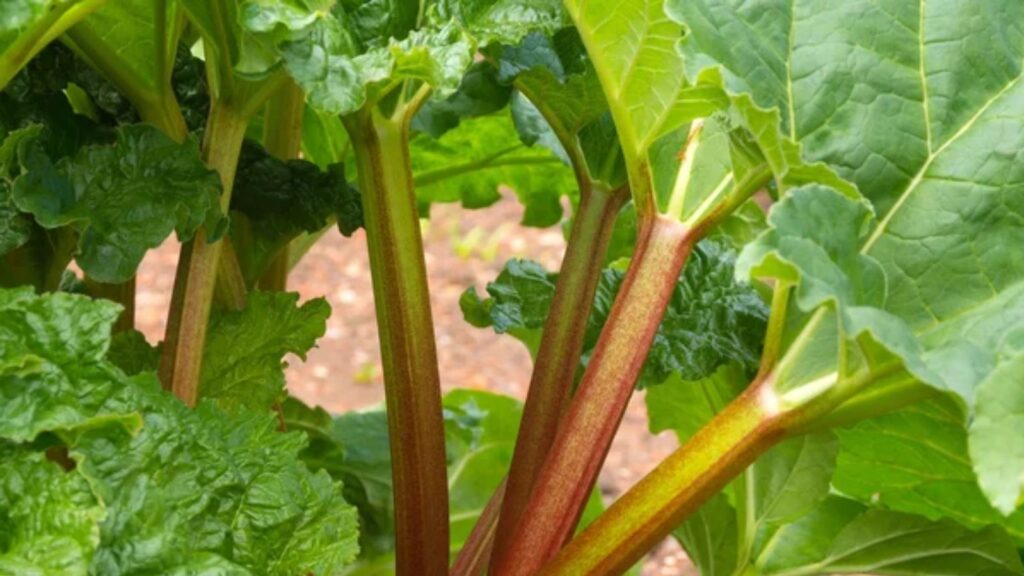
Rhubarb Leaves
Rhubarb is perfectly familiar to many gardeners, but there’s an important distinction between the stalks and the leaves. The stalks are commonly used in pies, jams, and other recipes, while the leaves contain oxalic acid and other compounds that can be harmful if eaten.
Large amounts of oxalic acid can contribute to serious health problems, including kidney injury. For that reason, rhubarb leaves should never be treated as an edible garden green.
If you’re looking for leafy vegetables to grow at home, stick with safer choices such as spinach, kale, or Swiss chard.
Related: 10 Common Kitchen Mistakes That Make Food Go Bad Faster
Loganberries
Loganberries are a cross between blackberries and raspberries, and they can be grown by home gardeners in suitable climates. They aren’t impossible to grow, but they can require more attention than some easier berry crops.
Cane and leaf rust are among the diseases that can affect these plants. Loganberries can also cross with related berry plants, which can be a concern in areas where protecting local plant populations is a priority.
If you’re interested in growing berries at home, check which varieties are recommended for your area before planting.
Genetically Modified Crops
The idea that all genetically modified plants are illegal for home gardeners isn’t accurate. Regulations vary by crop and country, and many GMO foods are legally grown and sold.
Some patented plant varieties can have restrictions on saving or propagating seed, so gardeners should check the terms that apply to a particular variety before planting it.
For gardeners who want to save seeds from year to year, heirloom and open-pollinated varieties can be a more straightforward choice. They also offer plenty of different colors, flavors, and growing characteristics.
Related: 10 Leftover Storage Mistakes That Could Be Ruining Your Food
Cherimoya
Cherimoya is a tropical and subtropical fruit tree that can be grown at home in the right climate. The problem is that it isn’t a practical choice for every backyard.
The tree prefers specific growing conditions, and pollination can be tricky. In some areas, successful fruit production may require hand pollination or careful timing.
If you live somewhere that doesn’t provide the right conditions, pawpaw can be an interesting alternative. Sometimes called the “poor man’s banana,” pawpaw is a North American native fruit with a creamy texture and tropical flavor.
Bitter Almonds
Bitter almonds are very different from the sweet almonds commonly sold as food. They contain amygdalin, which can release cyanide when the nuts are processed or digested.
Because of this, bitter almonds can pose a serious poisoning risk and are subject to food-safety restrictions in some places. They aren’t something to experiment with in a backyard kitchen.
Sweet almonds are the familiar edible variety, though almond trees still need the right climate to produce a worthwhile crop.
Related: 10 African Foods That Deserve a Spot on Every Food Lover’s Bucket List
Wild or Uncultivated Berries
Wild berries can be tempting to grow or collect, but the phrase “wild berries” covers a huge number of different plants. Some are edible, while others can be poisonous or easily confused with dangerous lookalikes.
Certain native berry species may also be protected in particular areas. Removing plants from the wild can cause problems for local ecosystems, especially when those plants provide food for wildlife.
For a home garden, established blueberry and raspberry varieties are much easier choices. You know what you’re growing, and you can select varieties suited to your climate.
Mirabelle Plums
Mirabelle plums are closely associated with the Lorraine region of France, where the local climate and growing conditions are well suited to them.
That doesn’t mean they’re impossible to grow elsewhere. They can be grown in other areas with the right conditions, though getting a reliable crop may be harder if your climate doesn’t provide the required winter chill, temperatures, and growing season.
Japanese plums can be a better option for gardeners in warmer regions because certain varieties handle those conditions better.
Sassafras
Sassafras has a long history of use in traditional remedies and cooking. The plant contains safrole, a compound that has raised serious safety concerns.
The FDA banned safrole as a flavoring substance after studies linked it to cancer in laboratory animals. You can read more about the history and safety concerns surrounding sassafras from MedicineNet.
That makes sassafras a poor choice if your goal is to grow plants for homemade foods or drinks. For a similar sweet, licorice-like flavor, anise or star anise can be useful alternatives.
Kava
Kava is a plant traditionally used to prepare beverages in parts of the Pacific Islands. It contains compounds called kavalactones that can produce relaxing and sedating effects.
The plant and its products are regulated differently around the world, so it’s inaccurate to say that kava is banned everywhere. Some countries have placed restrictions on its sale or use, while others allow it under certain conditions.
Kava has also been associated with serious liver problems, particularly with certain products and patterns of use. If you’re interested in growing calming herbs, plants such as chamomile are much more straightforward choices for a home garden.
Durian
Durian is famous for its strong smell, which has earned it a reputation as one of the most divisive fruits around. It’s also known as the “king of fruits” and is prized in Southeast Asia for its rich, custard-like flesh.
The problem for most backyard gardeners isn’t that durian is impossible to grow. It’s the climate and space the tree requires. Durian thrives in warm, humid tropical conditions and can become a large tree.
If you don’t live in a tropical climate, growing one successfully can be extremely difficult. Jackfruit may be a more practical tropical fruit for some gardeners, provided their climate is suitable.
Cashew Nuts
Cashews are another food that requires careful handling. The raw cashew shell contains compounds related to those found in poison ivy, including urushiol, which can cause severe skin irritation.
Commercial cashews go through processing that removes the hazardous material before the nuts reach consumers. This is one reason raw cashews straight from the tree shouldn’t be treated like an ordinary backyard nut crop.
For home gardeners looking for a nut tree, almonds can be an alternative in regions where the climate supports them. They also provide protein, healthy fats, and vitamin E.
Castor Beans
Castor bean plants are striking ornamental plants, but their seeds contain ricin, an extremely toxic substance.
The seeds are the biggest concern, particularly in households with children or pets who might handle or swallow them. Because of that risk, castor bean plants aren’t a good choice for many home gardens.
If you’re interested in growing plants for their seeds or oils, flax can be a much safer garden crop.
Garlic Mustard
Garlic mustard is a plant that gardeners should think twice about planting. It is an invasive species in parts of North America and can spread aggressively through wooded areas.
Once established, garlic mustard can compete with native plants and alter forest habitats. It can also produce large numbers of seeds, making an established patch difficult to remove.
For gardeners who like the flavor of mustard greens, grow culinary mustard varieties instead. Arugula is another easy-to-grow option for adding a peppery flavor to salads and cooked dishes.
For more native plants that can benefit your garden, check out these survival-saving native U.S. plants you’ll want in your garden.
Asiatic Bittersweet
Asiatic bittersweet is an attractive vine with colorful berries, but its appearance can hide a serious problem. In parts of North America, it is an invasive plant that can spread into natural areas and compete with native vegetation.
Its vines can become dense and climb over trees and shrubs, putting pressure on the plants underneath them.
If you like the look of bittersweet, check whether American bittersweet is suitable for your region. Native alternatives are generally a better choice than introducing an invasive species.
Magic Mushrooms
Psilocybin mushrooms are another category that doesn’t belong in the average backyard garden, largely because of their legal status and psychoactive effects.
Laws vary considerably by location. Some states and municipalities have decriminalized or otherwise changed how certain psilocybin-related activities are handled, while other places still prohibit possession, cultivation, or use.
You can check current information about mushroom laws by state through World Population Review.
Because the legal rules can change and wild mushrooms can be difficult to identify safely, growing or collecting unfamiliar mushrooms isn’t something to treat casually.
Know What Belongs in Your Garden
A backyard garden gives you plenty of freedom, but that doesn’t mean every plant sold, collected, or grown somewhere else is a good fit for your space.
Some plants simply need a climate you don’t have. Others can become invasive, require specialized processing, or contain naturally occurring toxins. Local regulations can also affect which plants you are allowed to grow.
Before adding an unusual crop to your garden, check its growing requirements, potential risks, and local rules. There are plenty of productive vegetables, fruits, herbs, and berries that are much easier to grow without bringing unnecessary problems into your backyard.