Growing your own vegetables doesn’t have to mean waiting months for your first harvest. While some crops take a long time to mature, plenty of vegetables grow quickly enough to give you something fresh from the garden within a few weeks.
For anyone short on time, working with a small garden, or simply eager to see results, these fast-growing vegetables are worth trying. Depending on the variety and growing conditions, some can be ready in as little as 25 days, while others take closer to 50 days.
Here are 17 vegetables that can give you a surprisingly quick harvest.
Green Onions
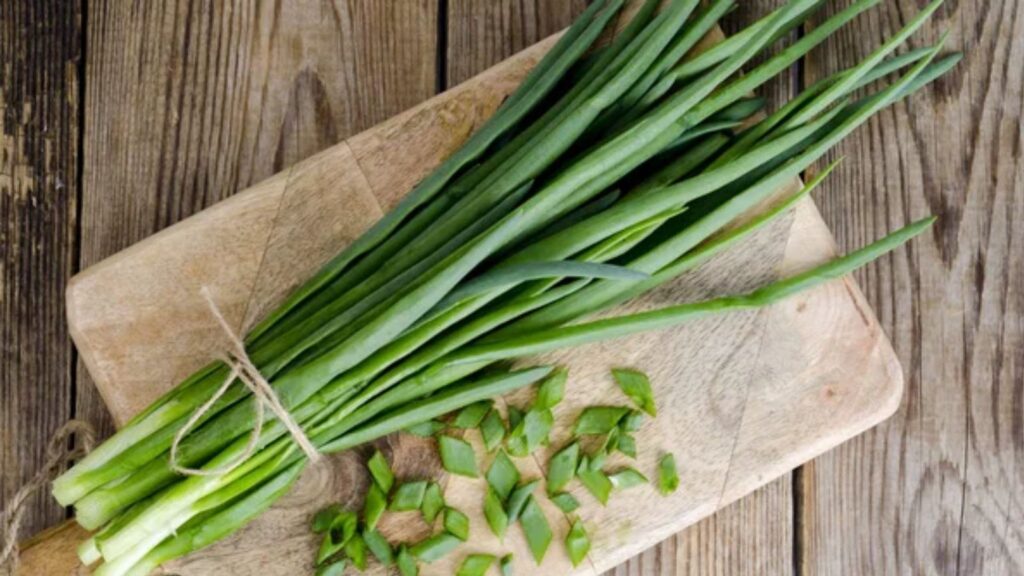
Green onions, also called scallions, are one of the easiest vegetables to grow when you don’t want to wait long for a harvest. Some varieties can be ready in about 20 to 30 days after planting.
They don’t require much space, either. Green onions can grow in garden beds, pots, or containers, making them a good option for small-space gardeners. You can chop them over salads, tacos, soups, rice dishes, and just about anything else that could use a little fresh onion flavor.
For more plants that can make themselves useful around the garden, check out these 12 plants you can grow to fight weeds.
Spinach
Spinach is a great choice if you want fresh greens without a long wait. Baby spinach leaves can be picked in roughly 25 days, while larger leaves may take closer to 40 or 50 days.
You can harvest a few leaves at a time instead of pulling up the whole plant, which means one planting can keep producing for a while. Fresh spinach works well in salads, omelets, pasta, soups, and smoothies.
Lettuce
Lettuce doesn’t need much room and grows fairly quickly, making it a handy vegetable for smaller gardens.
Some varieties can be ready for harvest in about 30 days. You also have plenty of choices, from crisp romaine to loose-leaf varieties with softer leaves.
If space is an issue, lettuce can also be grown in containers. Here are some American cities with the least green space if you’re curious about how much greenery different cities offer.
Arugula
If you like greens with a little bite, give arugula a spot in your garden. Its peppery flavor works especially well in salads, sandwiches, wraps, and pizzas.
Arugula grows quickly and can be ready for harvest in around 30 days. Young leaves tend to have a milder flavor, while older leaves become more peppery.
It’s also a good source of vitamin K and magnesium, giving you another reason to add a handful to your meals.
For more quick-growing options, take a look at these 15 fast-growing vegetables you can harvest in under 60 days.
Kale
Kale has earned its reputation as a nutrient-packed vegetable, and you don’t have to wait forever to start harvesting it.
Depending on the variety and growing conditions, kale can reach harvest size in roughly 30 to 50 days. You can pick the outer leaves as the plant continues growing.
Use it in salads, soups, pasta, smoothies, or bake the leaves into homemade kale chips. If you don’t love the texture of raw kale, cooking it can make it much easier to enjoy.
Baby Carrots
Traditional carrots can take 70 to 80 days or more to mature, but baby carrot varieties can be ready much sooner. Some can be harvested in around 30 days.
They’re small, sweet, and convenient for snacking. You can also add them to soups, stews, roasted vegetable dishes, or lunch boxes.
If you’re planning a fall garden, here are some 15 fall vegetables you can plant for a late harvest.
Bok Choy
Bok choy is a type of Chinese cabbage that grows well in cooler weather. Some varieties can be harvested in about 30 days, particularly if you’re picking the smaller, tender leaves.
The stalks stay crisp, while the leaves become tender when cooked. Bok choy works especially well in stir-fries, noodle dishes, soups, and salads.
It’s also a good source of vitamins A, C, and K.
Turnips
Turnips might not be the first vegetable you think of for a quick harvest, but they can grow surprisingly fast. According to Gardensoxx, some turnips can be ready in about 30 to 40 days.
One of the best things about growing turnips is that you can eat both the root and the greens. The roots can be roasted, mashed, or added to soups, while the greens can be cooked much like other leafy vegetables.
Turnips also provide fiber, vitamin C, and potassium.
Mustard Greens
Mustard greens are another fast-growing crop, with young leaves ready to harvest in roughly 20 to 30 days.
They have a naturally spicy, slightly peppery flavor, which makes them a good addition to cooked dishes when you want something with a little extra bite.
Try sautéing them with garlic or adding them to soups and stews. Mustard greens also provide calcium, iron, and vitamins A and K.
Cucumbers
Cucumbers are a summer garden favorite, and some varieties can produce their first harvest in about 40 to 50 days.
They grow best in warm weather and can take up more room than leafy greens, especially when allowed to spread along the ground. A trellis can help keep the vines off the soil and make the cucumbers easier to pick.
Fresh cucumbers are great in salads, sandwiches, wraps, pickles, and cold drinks.
Zucchini
Zucchini is famous among gardeners for producing plenty of food in a short amount of time. Some plants can begin producing zucchini in about 45 days.
Keep an eye on the plants once they start flowering because zucchini can grow from small to oversized surprisingly fast. Smaller zucchini tend to have a tender texture and work well in pasta, stir-fries, casseroles, and quick breads.
Zucchini is also low in calories and provides fiber and vitamin C.
Green Beans
Green beans are another good choice if you’re looking for a vegetable that doesn’t take months to produce.
Depending on the variety, you may be able to start picking beans in around 45 to 50 days. Bush beans are especially convenient for gardeners who don’t want to deal with long climbing vines.
Fresh green beans can be steamed, roasted, sautéed, or added to casseroles. If you grow more than you can eat right away, they can also be frozen for later.
Broccoli
Broccoli usually takes a little longer than some of the leafy greens on this list, but fast-growing varieties can still produce a harvest in roughly 40 to 60 days.
The plant prefers cooler growing conditions and needs enough room to form its central head. Once the main head is harvested, some varieties will produce smaller side shoots that can also be eaten.
Broccoli is a good source of vitamin C, vitamin K, folate, and potassium. Roast it, steam it, stir-fry it, or toss it into pasta.
Radishes
If you want a vegetable that gives you almost instant gardening gratification, radishes are hard to beat. According to GrowVeg.com, some radishes can be ready in just 25 days.
They come in a surprising range of colors, shapes, and sizes. Depending on the variety, you might grow red, pink, white, purple, or even black radishes.
They add a crisp, slightly spicy bite to salads and sandwiches and provide fiber, vitamin C, folate, and potassium.
Beets
Beets are relatively easy to grow and can be a good starting point for newer gardeners. Depending on the variety, they can be ready for harvest in around 45 to 60 days.
The roots can be roasted, boiled, pickled, or added to salads. Don’t throw away the leafy tops, either. Young beet greens can be cooked much like other leafy vegetables.
Beets also provide fiber, folate, and manganese.
Squash
Summer squash varieties such as yellow crookneck and pattypan can produce a harvest in roughly 50 days from sowing, depending on growing conditions.
Squash plants can become quite productive once they get going, so you may end up with more vegetables than you expected. Pick the fruits while they’re still relatively small for a tender texture.
Grill them, sauté them, roast them, or stuff them. Summer squash is also a good source of vitamins A and C.
Swiss Chard
Swiss chard brings both color and nutrition to the vegetable garden. Depending on the variety and growing conditions, you can start harvesting it in roughly 25 to 50 days.
The leaves and stalks are both edible. Young leaves can be eaten raw in salads, while larger leaves are especially good cooked with garlic, olive oil, or other vegetables.
Swiss chard provides vitamins A, C, and K, and its colorful stalks can make a garden bed look especially lively.
Getting a Quick Vegetable Harvest
Growing vegetables doesn’t always require a long growing season. By choosing quick-growing varieties and harvesting young leaves or smaller vegetables, you can start enjoying food from your garden within a few weeks.
Keep in mind that the harvest times listed on seed packets are estimates. Weather, sunlight, soil, water, and the specific variety you plant can all affect how quickly your vegetables grow.
For the quickest results, choose crops that suit your local growing conditions and keep an eye on them as they mature. You might be surprised by how much food a small garden can produce in just a month or two.