Relationships are complex dances of love, trust, and mutual respect. They can be the bedrock of our happiness or the root of our deepest stress. The American Psychological Association reports that about 40-50% of first marriages end in divorce, with second marriages seeing an even higher rate of 60-67%.
Recognizing behaviors to avoid is essential for nurturing a healthy relationship. Here are 15 behaviors that should never be accepted.
The Silent Treatment

Nothing says “I’m not willing to communicate” like the silent treatment. It’s a form of emotional manipulation, a way to punish you by withdrawing affection or attention. Effective communication is essential in any relationship; if your partner resorts to silence to win an argument, it signifies deeper issues.
A survey by YourTango found that ‘communication problems’ are the leading cause of divorce, accounting for 65%.
Public Humiliation
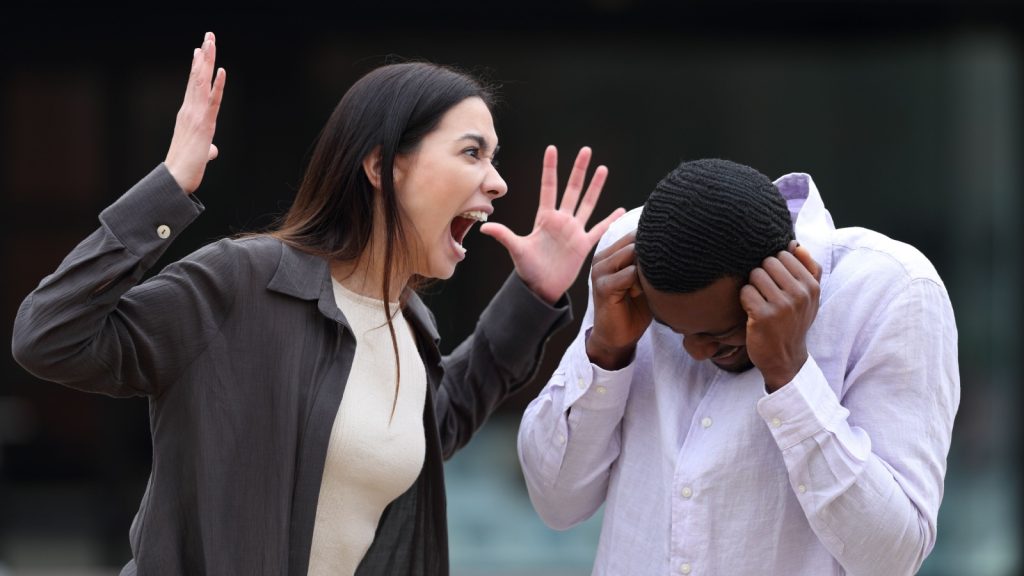
A loving partner should uplift you, not tear you down—especially in public. Public humiliation is a blatant disrespect of your dignity and self-worth. If your partner mocks you in front of friends or makes degrading comments, it’s a clear red flag.
Controlling Behavior

Control isn’t love; it’s a power play. If your partner dictates what you wear, who you see, or where you go, they’re crossing a line. Healthy relationships are about mutual respect and freedom, not control.
Jealousy and Possessiveness

While some jealousy can be flattering, excessive jealousy and possessiveness are suffocating. If your partner constantly questions your interactions with others or accuses you of infidelity without cause, it’s a sign of insecurity, not love.
Lack of Support

Your partner should be your cheerleader, not your critic. They’re not supporting you if they belittle your achievements or dismiss your dreams. Relationships should be a source of encouragement and growth, not negativity.
Gaslighting

Gaslighting is a form of psychological manipulation where one partner makes the other question their reality. It’s a subtle and insidious form of abuse that can erode self-confidence and mental stability. A study by ResearchGate concluded that victims of gaslighting often experience severe anxiety and depression.
Financial Control

Financial control is a form of abuse where one partner controls all the finances, leaving the other partner dependent and powerless. According to the National Network to End Domestic Violence, research shows that financial abuse occurs in 99% of domestic violence cases. It’s a serious issue that needs immediate attention.
Disrespecting Your Friends and Family

Your loved ones are an extension of you. If your partner disrespects them, they’re indirectly disrespecting you. A loving partner will try to get along with your friends and family, not alienating you from them.
Physical Abuse

This one is non-negotiable. Physical abuse is a blatant sign of disrespect and should never be tolerated.
Data from the National Intimate Partner and Sexual Violence Survey (NISVS) shows that nearly 1 in 4 adult women (23%) and about 1 in 7 men (14%) in the U.S. report having experienced severe physical violence. If you find yourself in such a situation, seek help immediately.
Emotional Blackmail

Using guilt or threats to manipulate you into doing something is emotional blackmail. Statements like “If you loved me, you would…” or “I’ll hurt myself if you leave” are manipulative and toxic.
Ignoring Your Needs

A loving partner should be attentive to your emotional and physical needs. If they consistently ignore your needs or make you feel guilty for expressing them, it’s a sign of disrespect.
Constant Criticism

Constructive feedback is healthy, but constant criticism is not. If your partner frequently belittles your actions, appearance, or ambitions, it’s a sign of disrespect. According to the Gottman Institute, criticism is one of the four horsemen that predict relationship failure.
Constant criticism can wear down your self-esteem over time. It can make you question your worth and ability to make decisions. Your partner should uplift you, not tear you down.
Breaking Trust

Trust is the foundation of any relationship. If your partner lies, cheats, or repeatedly breaks promises, it’s a sign they don’t value your trust. According to Forbes, 60% of divorced couples cited infidelity as a reason for their divorce. Trust, once broken, is hard to rebuild.
Stonewalling

Stonewalling or refusing to engage in conversation is another form of emotional manipulation. It’s a way to avoid addressing issues and shows a lack of willingness to resolve conflicts.
Disrespecting Your Privacy

Everyone deserves privacy, even in a relationship. If your partner snoops through your phone, reads your messages, or invades your personal space without permission, it shows distrust and disrespect.