A lot of homes have closets, cabinets, garages, and spare rooms filled with things that seemed useful at one point but rarely get used anymore. For many Baby Boomers, some of those items have been sitting around for decades. They may bring back memories, but they can also take up space that could be used for things you actually need today.
Decluttering doesn’t mean throwing away everything from the past. Some belongings are worth keeping, especially family keepsakes, useful tools, and items that still have a purpose. The trick is figuring out which things deserve their space and which ones have simply been hanging around out of habit.
Here are 16 household items that may be ready to leave your home.
VHS Tapes and Players
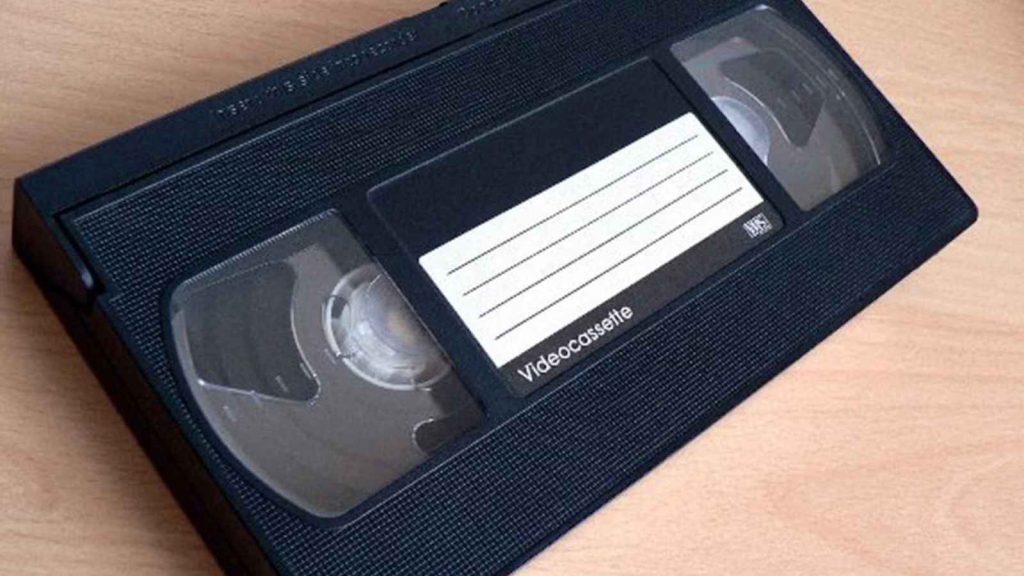
VHS tapes were once a staple of almost every living room. Today, most people watch movies and shows through streaming services such as Netflix and Disney+, leaving old tapes and VCRs sitting untouched.
Statista data shows just how much entertainment has moved toward streaming while physical media has declined. If you have a stack of movies you haven’t watched in years, it might be time to clear some shelf space.
There is one big exception: family recordings.
If you have weddings, birthdays, childhood videos, or other irreplaceable memories on VHS, don’t toss them out before making a digital copy. Companies such as Legacybox can help transfer old recordings to a modern format.
CD and DVD Collections
Many people once had entire walls or cabinets dedicated to CDs and DVDs. Now, music and movies can be accessed from phones, computers, smart TVs, and streaming services.
A recent report from the Recording Industry Association of America (RIAA) shows how heavily consumers have moved toward streaming for music.
That doesn’t mean every disc needs to go. If you have a favorite collection, rare recordings, or movies that aren’t available online, keep them. The goal is to get rid of the stacks you never touch.
And if you own vinyl records, don’t assume those should go in the same pile. Vinyl sales have enjoyed a major comeback, so a collection you still enjoy may be worth keeping.
Old Electronics
Look around the house and you might find an old flip phone, outdated tablet, broken laptop, or drawer full of charging cables for devices you no longer own.
Keeping electronics forever “just in case” can create a surprisingly large pile of clutter. Some devices may also contain batteries or other materials that shouldn’t simply be thrown into the trash.
The Environmental Protection Agency provides information about electronic waste and responsible recycling. Local recycling centers and electronics retailers may also accept old devices through e-waste programs.
Before getting rid of anything, check whether it contains personal information and wipe the device properly.
Old Magazines and Newspapers
Stacks of newspapers and magazines can take over a coffee table, bookshelf, or closet surprisingly fast. That old Sunday paper may have seemed worth saving at the time, but most of its information is now available online.
Old magazines can also become dusty and take up storage space for years.
Keep a few special issues if they have personal meaning. Otherwise, recycle the rest or pass them along to someone who can use them for crafts and other projects.
Unused Cookbooks
Cookbooks can be wonderful to own, especially family recipe collections and books you actually cook from. The problem starts when shelves become packed with books you haven’t opened in years.
Millions of recipes are now available online through sites such as AllRecipes and Epicurious. That makes it easier to let go of cookbooks that have become nothing more than shelf decorations.
Before donating them all, pull out your favorite recipes. You could write them down, print them, or create a small family cookbook filled with recipes that have been passed down over the years.
Old Instruction Manuals
That drawer full of appliance manuals can probably be reduced considerably.
Manufacturers now put many manuals online, and sites such as ManualsOnline make it easier to find instructions for older products. Keeping every paper booklet you have ever received can take up more space than you might expect.
If there’s a manual you think you’ll need later, scan it and save a digital copy on your computer or cloud storage. Then recycle the paper version.
Excess Knick-Knacks
Decorative items can make a house feel personal, but too many can make cleaning and organizing much harder.
Take a look at shelves, tables, mantels, and display cabinets. Are all those figurines and decorative pieces still meaningful? Or have some simply been sitting there because you’ve never gotten around to moving them?
Marie Kondo’s decluttering philosophy encourages people to keep belongings they genuinely enjoy. You can use that idea without turning your home upside down. Keep the pieces you love and donate or pass along the ones that no longer feel special.
Old Wall Calendars
There isn’t much reason to keep old calendars once the year has passed.
Digital calendars can send reminders, repeat appointments, and sync across phones and computers. Google Calendar and Apple’s iCal also make it easy to keep your schedule with you instead of relying on a paper calendar hanging on the wall.
There is one exception: calendars filled with personal notes, family memories, or important dates. If one has sentimental value, save it. Otherwise, recycle the old pages and clear the wall.
Outdated Window Treatments
Heavy curtains, worn-out blinds, and dated valances can make a room feel darker and more closed off than it needs to be.
If your window treatments have been hanging there for decades, take a fresh look at them. Lighter curtains, simple shades, or other modern options can make a room feel brighter without requiring a major renovation.
You don’t have to replace every curtain in the house at once. Start with the rooms that feel the darkest or where the existing window treatments are worn out.
Mismatched Tupperware
Few kitchen cabinets are more frustrating than the one filled with plastic containers that don’t have matching lids.
Pull everything out and match the pieces. If you have five containers but only two lids, there’s little reason to keep the lidless containers. The same goes for cracked, stained, warped, or badly worn pieces.
A small collection of stackable, BPA-free containers can make the cabinet much easier to manage.
Duplicate Kitchen Gadgets
Kitchen drawers have a funny way of collecting duplicates. You might find three peelers, several whisks, multiple can openers, or gadgets you bought for one recipe and never used again.
Keep the tools you reach for regularly and pass along the duplicates.
A handful of good-quality kitchen tools can be more useful than a drawer packed with specialty gadgets. If something hasn’t been used in years, ask yourself whether it’s really earning its spot.
Chipped Dishes and Glasses
A chipped plate or cracked drinking glass may have sentimental value, but damaged dishes can also become a safety concern.
Go through your cabinets and remove anything with cracks, sharp chips, or damage that makes it difficult to use safely. A favorite pattern doesn’t have to disappear completely, either. Keep the pieces that are still in good condition and let the damaged ones go.
Cracked ceramics can become more damaged through repeated microwave or dishwasher use, so damaged pieces are better replaced rather than kept for everyday use.
Empty Boxes
Keeping a couple of sturdy boxes can be useful. Keeping every box that enters the house is another story.
Garages, closets, and basements often become storage areas for empty shipping boxes, appliance boxes, and gift boxes that haven’t been touched in years.
Break down the boxes you don’t need and recycle them. If you’re saving a few for moving, shipping, or storage, keep only the ones that have a realistic purpose.
Flattening cardboard before recycling also makes it easier to store until collection day.
Old Paint Cans
A shelf full of half-used paint cans can take up valuable garage space. If you no longer have the room, wall, or project that matches the paint, keeping it around may not make much sense.
Paint can last for years when stored properly, but it eventually deteriorates. Depending on the type and storage conditions, some paint may last anywhere from two to ten years.
Don’t pour unwanted paint down a drain or dispose of it carelessly. Check your local waste facility for instructions or a household paint recycling program.
Unused Exercise Equipment
That treadmill, stationary bike, or collection of weights may have sounded like a great idea when you bought it. If it has become a place to hang clothes instead of something you actually use, it may be time for a change.
Bulky fitness equipment takes up a lot of room, and there are plenty of other ways to exercise at home. Online workout programs, walking, resistance bands, and compact equipment can all take up much less space.
If the equipment is still in good condition, selling or donating it can give someone else a chance to use it.
Old Cleaning Supplies
Cleaning cabinets can become a graveyard for half-used bottles. You may find products you bought for one particular mess, cleaners you stopped using, and bottles that have been sitting around for years.
Go through the collection and check the labels. Dispose of old or unwanted products according to local waste guidelines rather than pouring questionable chemicals down the drain.
You can also cut down on clutter by choosing a few cleaners that work for several household jobs. There is no need for a different bottle for every surface if you already have products that do the job well.
A cleaner home doesn’t have to mean a house packed with cleaning products. Sometimes, getting rid of the things you rarely use is enough to make your cabinets feel much more manageable.