
Many cars launch with big promises, whether it’s better reliability, better fuel economy, or exciting new technology. While plenty live up to the hype, others leave owners dealing with costly repairs, repeated recalls, and ongoing headaches. In many cases, those bad experiences are enough to keep buyers from ever purchasing the same model again.
Vehicle recalls are more common than many people realize. According to EZ AutoSpa, the National Highway Traffic Safety Administration recalled more than 13 million vehicles in 2020, with Ford leading all automakers in the number of recalls that year. Here are 10 vehicles that earned a reputation for disappointing owners and the reasons many say they wouldn’t buy them again.
Infiniti QX50 (2019–2021)
The 2019 Infiniti QX50 arrived with plenty of excitement thanks to its variable-compression turbocharged engine, a first for a production vehicle. It promised a mix of strong performance and improved fuel economy, but many owners found the experience frustrating.
Drivers frequently reported engine stalling caused by faulty sensors and software problems. The continuously variable transmission (CVT) also became a common source of complaints, with owners describing shuddering, jerking, and sudden losses of power. Consumer Reports found that only about one-quarter of owners said they would buy the QX50 again, showing how much confidence the model lost.
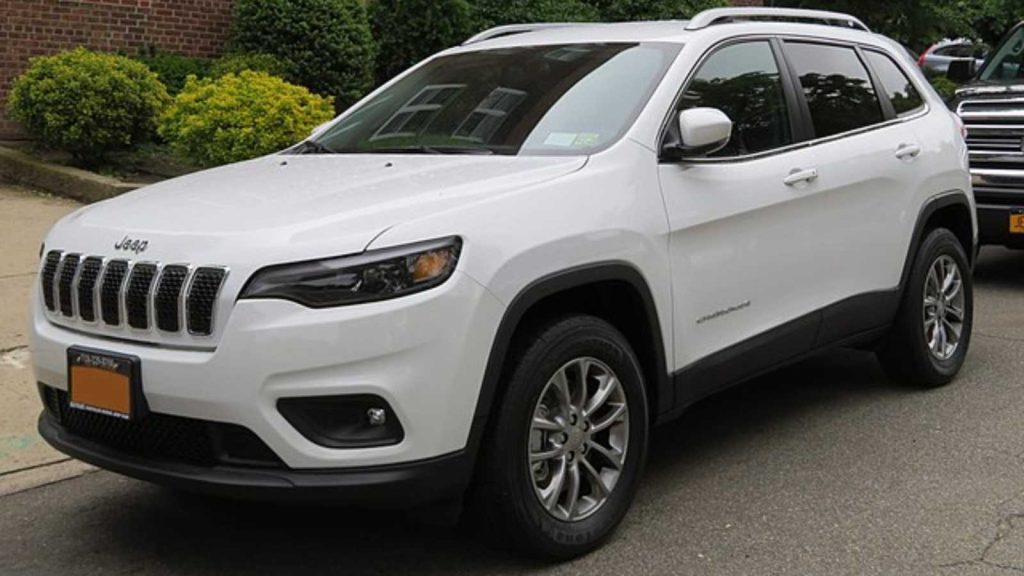
Jeep Cherokee (2014–2015)
Jeep introduced a new nine-speed automatic transmission in the 2014 Cherokee, hoping to improve fuel economy and overall performance. Instead, it became one of the SUV’s biggest weaknesses.
Owners complained about rough shifting, unexpected gear changes, hesitation during acceleration, and complete transmission failures. Electrical problems involving the infotainment system and engine software only added to the list of frustrations, making these model years some of the least popular among Cherokee buyers.
Ford Bronco Sport (2021–2024)
The return of the Bronco name generated a lot of excitement, but the Bronco Sport didn’t leave every owner satisfied. While it offered rugged styling, many buyers experienced mechanical and electrical issues that hurt its reputation.
Consumer Reports noted that Ford recalled hundreds of thousands of Bronco Sport SUVs after owners reported power loss while driving. Drivers also dealt with malfunctioning electrical accessories, including hazard lights, creating concerns about safety during highway driving.
Chrysler PT Cruiser (2001–2010)
The PT Cruiser attracted plenty of attention when it debuted thanks to its retro styling and affordable price. Its popularity faded as owners began reporting one problem after another.
Engine troubles, transmission failures, electrical faults, and suspension problems became common complaints. Some owners also experienced delayed shifting between gears and inaccurate speedometer readings. While its unique appearance attracted buyers, long-term reliability became a major concern.
Kia Rio (2012–2016)
The Kia Rio appealed to buyers looking for an affordable compact car, but many owners came away disappointed.
Critics regularly pointed to its noisy cabin, uncomfortable seats, and uninspiring handling. Manual transmission models also experienced higher-than-average transmission failures. These model years were further affected by the widely publicized theft issue involving certain Kia and Hyundai vehicles that lacked engine immobilizers, making them much easier to steal.
Volkswagen Taos (2022)
Volkswagen introduced the Taos as a small SUV with plenty of modern features, but its first model year brought plenty of complaints.
Owners reported rough shifting, delayed acceleration, and transmission failures. The infotainment system also frustrated many drivers with frozen screens, missing audio, and navigation problems. Reliability concerns led to below-average ratings from several consumer publications.
Mini Cooper Countryman (2011–2016)
The Countryman gave Mini buyers more passenger room and cargo space, but it also introduced reliability concerns that affected its reputation.
Transmission issues were common, including clutch failures in manual models. Plastic cooling system components, such as the thermostat housing and water pump, were prone to cracking, which could lead to coolant leaks and engine overheating. Owners also reported faulty sensors and recurring electrical problems.
GMC Acadia (2013–2015)
The GMC Acadia offered three rows of seating in a midsize SUV, but mechanical problems became a common complaint during these model years.
Transmission hesitation, rough shifting, and complete failures appeared frequently, especially on models equipped with the six-speed automatic transmission. Owners also dealt with electronic problems, including persistent “Shift to Park” warning messages that sometimes drained the battery. Later versions improved, but these early models damaged the Acadia’s reputation.
Dodge Caliber
The Dodge Caliber replaced the Neon with bold styling and an affordable price, but many buyers found it disappointing after spending time behind the wheel.
Owners criticized its low-quality interior materials, sluggish performance, and disappointing fuel economy. Mechanical issues involving the electronic throttle system and front axle often appeared around 60,000 miles. Production ended in 2012 after the model struggled to gain lasting popularity.
Nissan Altima (2013–2015)
The Nissan Altima remained a popular midsize sedan, but these model years became known for transmission trouble.
Many owners reported shuddering, jerking during acceleration, delayed response, and complete CVT failures that often required expensive repairs. The widespread complaints eventually resulted in a class-action lawsuit. Nissan later agreed to extend warranty coverage and provide compensation for qualifying owners as part of the settlement.