
The United States has a lower violent crime rate than many countries around the world, but it still reports higher homicide rates than many other developed nations. While crime levels vary widely from one place to another, some communities continue to deal with problems tied to poverty, unemployment, population loss, and decades of economic decline.
Many of the places on this list were once thriving manufacturing or transportation centers. Over time, factory closures, shrinking job markets, and other economic changes left lasting effects that are still felt today. Although many residents work hard to improve their communities, these cities continue to face higher-than-average violent crime rates.
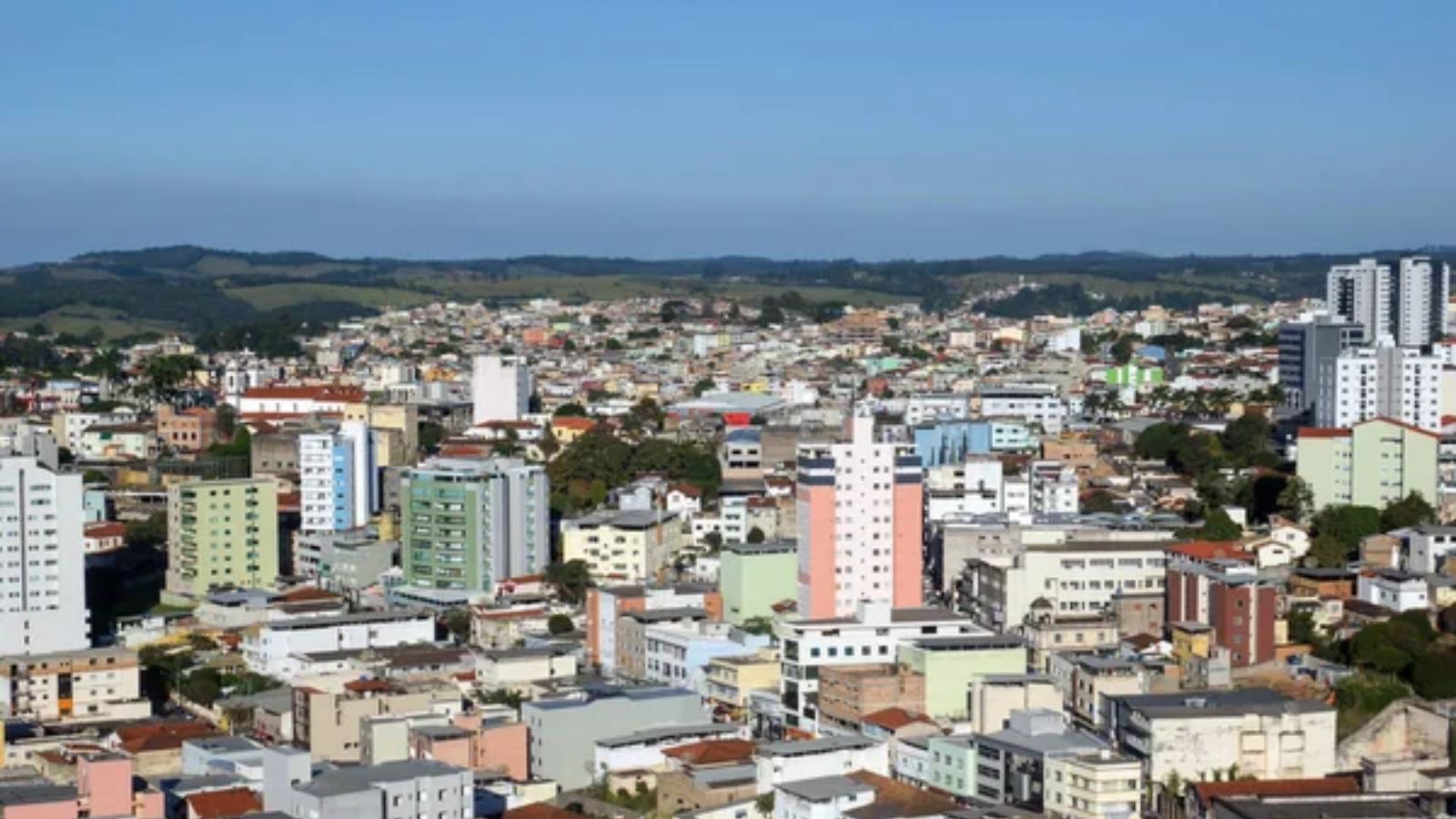
Rockford, Illinois
Rockford sits near the Wisconsin border and was once one of the Midwest’s leading furniture manufacturing centers. For decades, the city provided steady jobs and attracted workers looking for stable employment.
That changed during the economic downturn of the 1980s, when many factories closed or moved elsewhere. Job losses pushed more families into financial hardship, and crime increased alongside those struggles. Today, Rockford reports a violent crime rate of 15.0 incidents per 1,000 residents, reflecting the long-term effects of its economic decline.
Baltimore, Maryland
Baltimore has spent years working to reduce crime, and many neighborhoods have improved since the 1990s. Even so, the city continues to deal with serious public safety concerns.
Officials have introduced several programs aimed at reducing violence, including youth outreach efforts and stricter enforcement during periods of increased crime. Despite those efforts, Baltimore still reports a violent crime rate of 15.6 per 1,000 residents, making safety an ongoing concern for many people who live there.
Related Article: 17 Tourist Spots in America That Left Visitors Underwhelmed
Lansing, Michigan
As Michigan’s capital, Lansing is known for government offices, universities, and a long connection to the automotive industry. General Motors helped shape the local economy for generations, providing thousands of jobs.
As auto manufacturing changed, Lansing worked to attract new businesses and broaden its economy. While those efforts have brought new opportunities, the city still faces challenges tied to crime and economic adjustment. Its violent crime rate stands at 15.7 per 1,000 residents.
Milwaukee, Wisconsin
Milwaukee has a rich history shaped by generations of immigrants, particularly German settlers who helped build the city’s famous brewing industry. It remains one of the country’s most culturally diverse cities.
The city also faces deep economic divides that developed over many decades. High poverty rates and residential segregation continue to affect many neighborhoods. Those issues have contributed to a violent crime rate of 16.6 per 1,000 residents, even as community groups and local leaders work toward long-term improvements.
Related Article: 13 Tiny Home Communities Across America That Feel Like Hidden Gems
Kalamazoo, Michigan
Kalamazoo earned the nickname “Paper City” during the years when paper mills, logging operations, and manufacturing drove the local economy. It also became known for producing everything from musical instruments to windmills.
As nearby forests were depleted and factories closed, many of those industries disappeared. The recession of 2008 added more pressure as manufacturing jobs continued to decline. Today, Kalamazoo reports a violent crime rate of 16.8 per 1,000 residents while continuing efforts to strengthen its economy.
Alexandria, Louisiana
Alexandria began as a small trading post serving French settlers, Native communities, and travelers moving through central Louisiana. Over time, it developed into an important regional center.
Many residents now face financial challenges, with more than a quarter of the population living below the poverty line. Limited economic opportunities have made recovery difficult, and the city reports a violent crime rate of 18.8 per 1,000 residents.
Related Article: 15 Places in America That Look Like They Were Plucked From Another Country
Danville, Illinois
Danville was once a busy coal mining town that later expanded into manufacturing and automobile production. During the early 1900s, the city’s population grew quickly as new industries created steady jobs.
That momentum slowed after the coal mines closed and major employers left the area. By the late 1960s, many manufacturing jobs had disappeared, leaving higher unemployment and fewer opportunities for local residents. Today, Danville reports a violent crime rate of 15.8 per 1,000 residents.
Gadsden, Alabama
Gadsden first grew as a river transportation hub before becoming known for steel mills, tire factories, and other heavy industries. For many years, manufacturing was the backbone of the local economy.
When factories began closing or relocating during the 1970s and 1980s, thousands of jobs disappeared. The city has spent years trying to rebuild its economy, but many neighborhoods still feel the effects of those losses. Gadsden’s violent crime rate stands at 15.8 per 1,000 residents.
Related Article: 13 Curious Places in America That Are Worth Going Out of Your Way For
Albany, Georgia
Albany played an important role as a transportation center thanks to its location along the Flint River. Railroads later strengthened the local economy, and nearby military installations created additional jobs.
As railroad traffic declined and military facilities closed, employment opportunities became harder to find. Many families moved elsewhere, while those who stayed faced rising poverty. Albany now reports a violent crime rate of 16.1 per 1,000 residents.
Pine Bluff, Arkansas
Pine Bluff’s economy was built on agriculture, timber, and the railroad industry. Like many Southern communities, it also experienced difficult periods marked by economic hardship and racial conflict.
The Great Depression, severe flooding, drought, and bank failures placed enormous pressure on the city. Long-standing social and economic problems have continued for generations, and Pine Bluff now records a violent crime rate of 20.5 per 1,000 residents.
Birmingham, Alabama
Birmingham grew into one of the South’s largest industrial centers thanks to its steel industry. It later became one of the most important cities in the Civil Rights Movement, leaving it with a complex and influential history.
Over the years, manufacturing declined, businesses relocated, and many residents moved to surrounding suburbs. Those changes left some neighborhoods struggling with poverty and fewer economic opportunities. Birmingham currently reports a violent crime rate of 20.6 per 1,000 residents.
Detroit, Michigan
Detroit was once one of America’s fastest-growing cities, powered by the automobile industry and thousands of manufacturing jobs. At its peak, it attracted workers from across the country looking for steady employment.
As factories closed and population declined, many neighborhoods experienced years of disinvestment. The city also carries a long history of housing segregation and racial inequality that shaped many of today’s challenges. Detroit reports a violent crime rate of 23.0 per 1,000 residents, though many parts of the city continue to see redevelopment and investment.
Spartanburg, South Carolina
Spartanburg became a major textile manufacturing center during the early and mid-1900s. More than 40 textile mills once operated in the area, providing jobs for much of the local population.
When many of those factories moved overseas, unemployment increased and the local economy changed dramatically. Spartanburg has since attracted new industries, but it still reports a violent crime rate of 15.2 per 1,000 residents.
Springfield, Missouri
Springfield is best known as the birthplace of Route 66 and one of Missouri’s largest cities. It serves as a regional center for healthcare, education, and business, drawing people from across the Ozarks.
Like many growing cities, Springfield also deals with crime that affects some neighborhoods more than others. The city reports a violent crime rate of 15.6 per 1,000 residents, reminding visitors and locals alike that even popular destinations face public safety challenges.
Saginaw, Michigan
Saginaw built its reputation on lumber before becoming an important manufacturing city with strong ties to Michigan’s auto industry. For decades, factories provided stable jobs that supported the local economy.
As manufacturing declined, many businesses closed and thousands of residents left in search of work elsewhere. Vacant buildings and shrinking neighborhoods became common in parts of the city. Today, Saginaw reports one of the highest violent crime rates on this list at 25.1 per 1,000 residents.
Monroe, Louisiana
Monroe serves as a major commercial center in northeastern Louisiana and has long been an important hub for surrounding communities. During the early 1900s, its population grew as people moved to the city looking for work and new opportunities.
Many residents now face financial hardship, with more than one-third of the population living below the poverty line. Those economic struggles have made recovery difficult, and Monroe reports a violent crime rate of 26.3 per 1,000 residents.
Little Rock, Arkansas
Little Rock, the capital of Arkansas, has played an important role in American history, particularly during the Civil Rights Movement. The city continues to grow and serves as the state’s political, cultural, and business center.
Despite that progress, Little Rock still struggles with violent crime in several neighborhoods. The city has experienced periods of rising homicide numbers in recent years, and its violent crime rate stands at 18.25 per 1,000 residents. Local leaders continue working on crime prevention programs and community investment aimed at improving public safety.
Memphis, Tennessee
Memphis is famous for its music, barbecue, and deep cultural roots. As the birthplace of blues and the home of legendary artists, it attracts visitors from around the world every year.
The city has also faced decades of economic inequality, population changes, and public safety concerns. Those issues have contributed to a violent crime rate of 25.1 per 1,000 residents. While many neighborhoods continue to grow and attract investment, reducing violent crime remains one of Memphis’s biggest challenges.