
The United States is packed with famous landmarks that appear on countless travel bucket lists. Pictures online and glowing reviews can make some places seem unforgettable before you even arrive. Then reality sets in. Crowds, long lines, high prices, and smaller-than-expected attractions can leave visitors wondering what all the excitement was about.
That doesn’t mean these destinations are bad. Many have fascinating stories or beautiful surroundings. The key is knowing what to expect before you go. If you plan your trip with realistic expectations, you’ll have a much better chance of enjoying what each place actually has to offer.
Hollywood Walk of Fame, California
The Hollywood Walk of Fame is one of Los Angeles’ best-known attractions, but many first-time visitors are surprised by what they find. More than 2,600 stars line the sidewalks, honoring actors, musicians, directors, and other entertainment figures. It sounds glamorous, yet the area itself often feels far less polished than people expect.
Close to 10 million people visit every year, creating packed sidewalks filled with souvenir shops, costumed performers, and street vendors. Finding your favorite celebrity’s star can still be fun, but the experience usually isn’t as glamorous as the movies make it seem. Many visitors end up enjoying nearby neighborhoods, studios, or scenic viewpoints more than the Walk itself.
Times Square, New York
Few places are as recognizable as Times Square. Towering digital billboards, Broadway theaters, and flashing lights make it one of New York City’s biggest tourist magnets. Around 50 million people pass through every year, making it one of the busiest intersections in the country.
The energy is exciting for many visitors, especially on a first trip to New York. Still, the packed sidewalks, expensive restaurants, and constant crowds can wear people out pretty quickly. Many travelers stop for photos before heading to neighborhoods where they can experience a different side of the city.
Niagara Falls State Park, New York
There’s no denying that Niagara Falls is impressive. Standing near the rushing water and hearing the roar of the falls is something many travelers never forget. The surrounding state park covers more than 400 acres and welcomes roughly 13 million visitors each year.
For some people, though, the excitement fades after spending a short time at the viewing areas. Outside of the waterfalls, the nearby tourist district can feel crowded and filled with souvenir shops. The falls are still worth seeing at least once, but many visitors find that adding a boat tour or exploring the surrounding region makes the trip much more rewarding.
The Alamo, Texas
The Alamo holds an important place in American and Texas history. Millions of people visit every year to learn about the famous 1836 battle that helped shape the state’s story.
One surprise for many visitors is the building’s size. After seeing photos for years, some expect a much larger site. During busy seasons, crowds can make it difficult to spend much time inside. The stories behind the Alamo remain the biggest reason to visit, and pairing it with the nearby museums and historic district gives the experience much more depth.
Plymouth Rock, Massachusetts
Plymouth Rock is one of America’s best-known historical landmarks, marking the traditional landing place of the Mayflower Pilgrims in 1620. Because of its place in history books, many people expect something much grander than what they actually see.
The rock itself is fairly small and sits beneath a protective structure along the waterfront. More than a million visitors stop by each year, often spending only a few minutes taking photos before moving on. The real highlight for many travelers ends up being the town of Plymouth, where historic buildings, museums, and waterfront views bring early American history to life far better than the famous rock alone.
Four Corners Monument, Southwest USA
Four Corners Monument is known as the only place in the United States where four states meet in a single point. That alone draws steady crowds, especially people hoping to snap a photo with hands and feet in different states at the same time.
Once visitors arrive, many find the setup simpler than expected. The monument sits in an open, remote area with a small plaza and vendor stalls. The exact survey point is also slightly disputed due to historical measurement errors, which surprises some travelers. Still, the cultural importance of the area, especially to Indigenous communities, gives it more depth than the photo spot alone.
The Hollywood Sign, California
The Hollywood Sign is one of the most recognizable symbols in the world. High above Los Angeles, it stretches across the hills and represents the film industry for millions of visitors who come hoping to see it up close.
From a distance, the sign is striking. Getting close, however, takes more effort than many expect. Access is restricted, and the best viewpoints require hikes through Griffith Park or surrounding trails. Many visitors end up taking photos from afar rather than standing directly beside it, but the panoramic views of Los Angeles often become the highlight of the trip instead.
Roswell, New Mexico
Roswell built its reputation on UFO stories and extraterrestrial speculation, turning the small city into a popular stop for curious travelers. Museums, alien-themed shops, and murals keep the legend alive throughout town.
Visitors sometimes arrive expecting dramatic proof of alien encounters. What they find instead is a quiet desert city with a strong tourism identity built around its famous 1947 incident. The experience is more about themed attractions and local history than actual mystery, but it still draws hundreds of thousands of visitors each year.
Mount Rushmore, South Dakota
Mount Rushmore features the carved faces of four U.S. presidents and stands as one of the most recognizable monuments in the country. Around three million people visit annually to see the massive granite sculpture in the Black Hills.
The first view often leaves a strong impression, especially when the scale becomes clear. Still, some visitors note that the experience is mostly limited to viewing platforms and walking paths. The monument itself is the main attraction, with fewer interactive or immersive elements compared to other national parks. The surrounding landscape, however, offers scenic drives and hiking opportunities that add more variety to the visit.
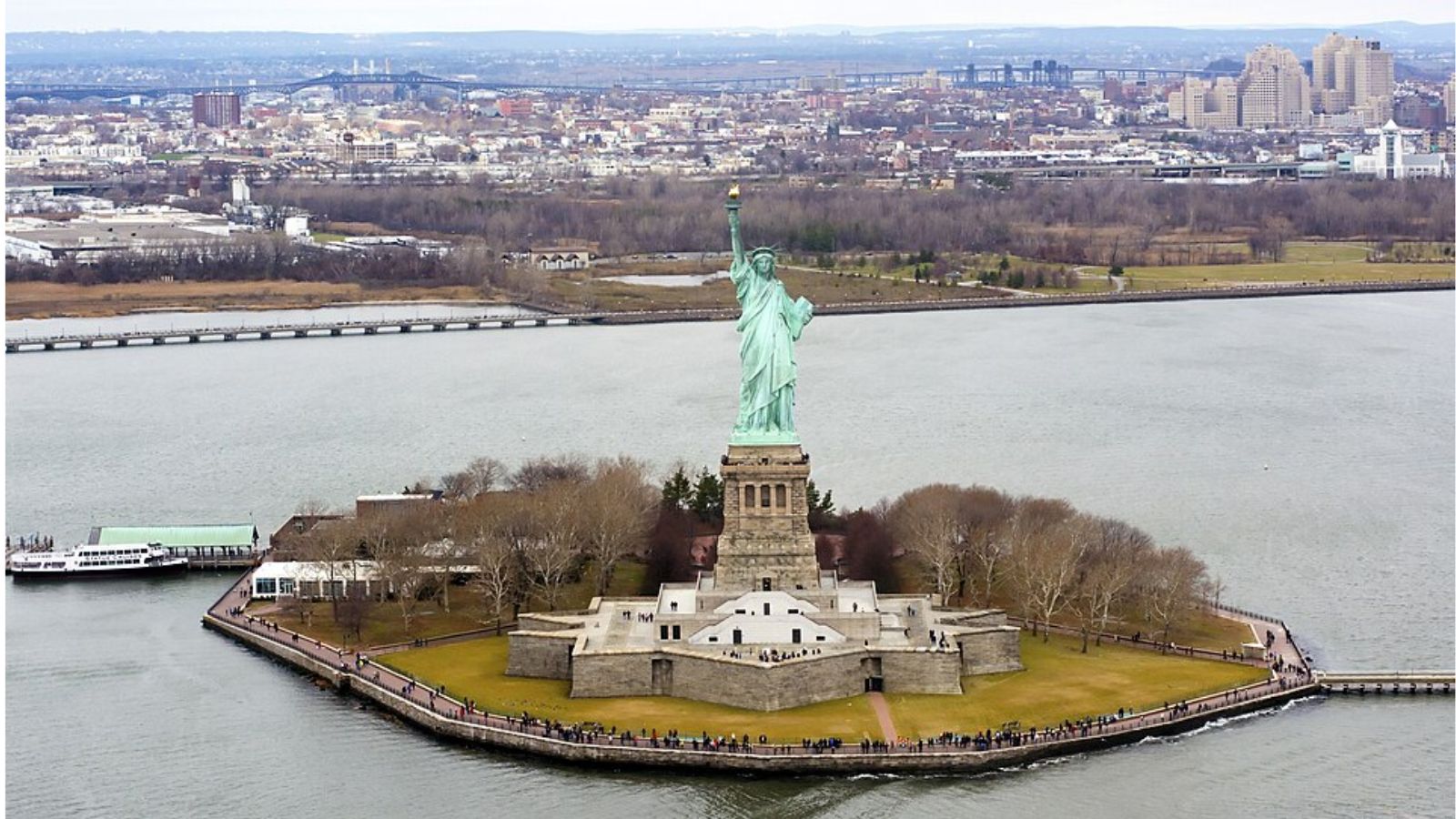
The Statue of Liberty, New York
The Statue of Liberty remains a powerful symbol of freedom and immigration history. Millions of travelers take ferries each year to see it up close or view it from the water.
One common surprise is access. Entry into the statue is limited, and tickets for pedestal or crown access often sell out far in advance. Many visitors only see it from the base or from a distance on the ferry. Even so, pairing the visit with Ellis Island adds context and history that many find more meaningful than the statue alone.
The Space Needle, Washington
The Space Needle stands as one of Seattle’s most recognizable landmarks, built for the 1962 World’s Fair. Its futuristic design and observation deck attract over a million visitors each year.
The view from the top is wide and clear, showing the city skyline, water, and on a good day, Mount Rainier. Still, some visitors feel the experience is shorter than expected given the ticket price and wait times. Seattle itself offers plenty of free viewpoints around the city that deliver similar scenery without the crowds, which many travelers discover after visiting.
The Liberty Bell, Pennsylvania
The Liberty Bell is a powerful symbol of American independence, displayed in Philadelphia near Independence Hall. Millions of people stop by every year to see it in person.
What often surprises visitors is its size. The bell is smaller than many expect, and it now rests behind protective glass. It also no longer rings due to its historic crack. Even so, the surrounding area is rich with history, and many visitors find the nearby Independence Hall visit more memorable than the bell itself.
Disneyland, California
Disneyland is known worldwide as “the happiest place on earth,” drawing huge crowds every year. Its rides, themed lands, and characters create a highly immersive experience that appeals to all ages.
At the same time, long wait times and high prices can shape the visit more than expected. Peak seasons bring heavy crowds, which can make the park feel overwhelming. Many visitors still leave with great memories, but planning ahead or visiting during quieter periods makes a noticeable difference in the overall experience.
Atlantic City Boardwalk, New Jersey
The Atlantic City Boardwalk has a long history as one of the first major boardwalks in the United States, dating back to the 1800s. Today, it remains a popular seaside destination filled with casinos, shops, and entertainment.
Some visitors enjoy the energy and ocean views, while others find it less appealing during busy seasons when crowds and commercial activity dominate the area. The experience varies widely depending on timing and expectations, with the best moments often coming early in the day or outside peak tourist periods.
The Las Vegas Strip, Nevada
The Las Vegas Strip is known for its nonstop entertainment, bright lights, and large-scale resorts. Millions of visitors come each year to experience casinos, shows, and nightlife.
The atmosphere can be exciting, but it can also feel intense and overwhelming for some travelers. High costs, constant noise, and heavy foot traffic are part of the experience. While many enjoy the energy, others prefer shorter visits or exploring quieter areas outside the Strip for balance.
The Bean (Cloud Gate), Illinois
Cloud Gate, often called “The Bean,” sits in Chicago’s Millennium Park and is one of the city’s most photographed landmarks. Its mirrored surface reflects the skyline and surrounding park in striking ways.
Because of its popularity, the area is often crowded, especially during peak travel seasons. Getting a clear photo can take patience. Still, many visitors enjoy the way the sculpture interacts with the city around it, making it a simple but memorable stop.
The Mall of America, Minnesota
The Mall of America is one of the largest shopping centers in the United States, featuring hundreds of stores along with entertainment options like an indoor amusement park.
Its size is impressive, but it can also feel repetitive to visitors used to smaller, more unique shopping districts. Many come for the novelty rather than a traditional shopping experience. For travelers, it often works best as a quick stop rather than a full-day destination.