

Weather can be unpredictable, but with the proper preparation and knowledge, you can make the most of your travels. The U.S. is a land of extreme weather conditions, which can challenge living in certain areas. Weather expert Dr. Jan Null highlights that weather is a lot like life: unpredictable and often harsh.
Some states have quite a reputation for serving conditions that can make you rethink your sunny vacation plans. These states may not be known for their ideal climate, but they still have plenty to offer visitors regarding different cultures, attractions, and natural beauty.
Alaska

Alaska is known for its stunning landscapes, from majestic mountains to vast glaciers, and experiences some genuinely extreme weather patterns. Winter temperatures can plunge to -60°F, and blizzards can make travel nearly impossible. Alaska has the lowest temperature recorded in the U.S., -80°F in Prospect Creek in 1971.
The snow creates a winter wonderland that can be both thrilling and treacherous. This climate keeps residents and visitors on their toes. They are advised to dress in layers and have an emergency car kit with blankets, food, and water. It’s also important to check road conditions before heading out.
Texas
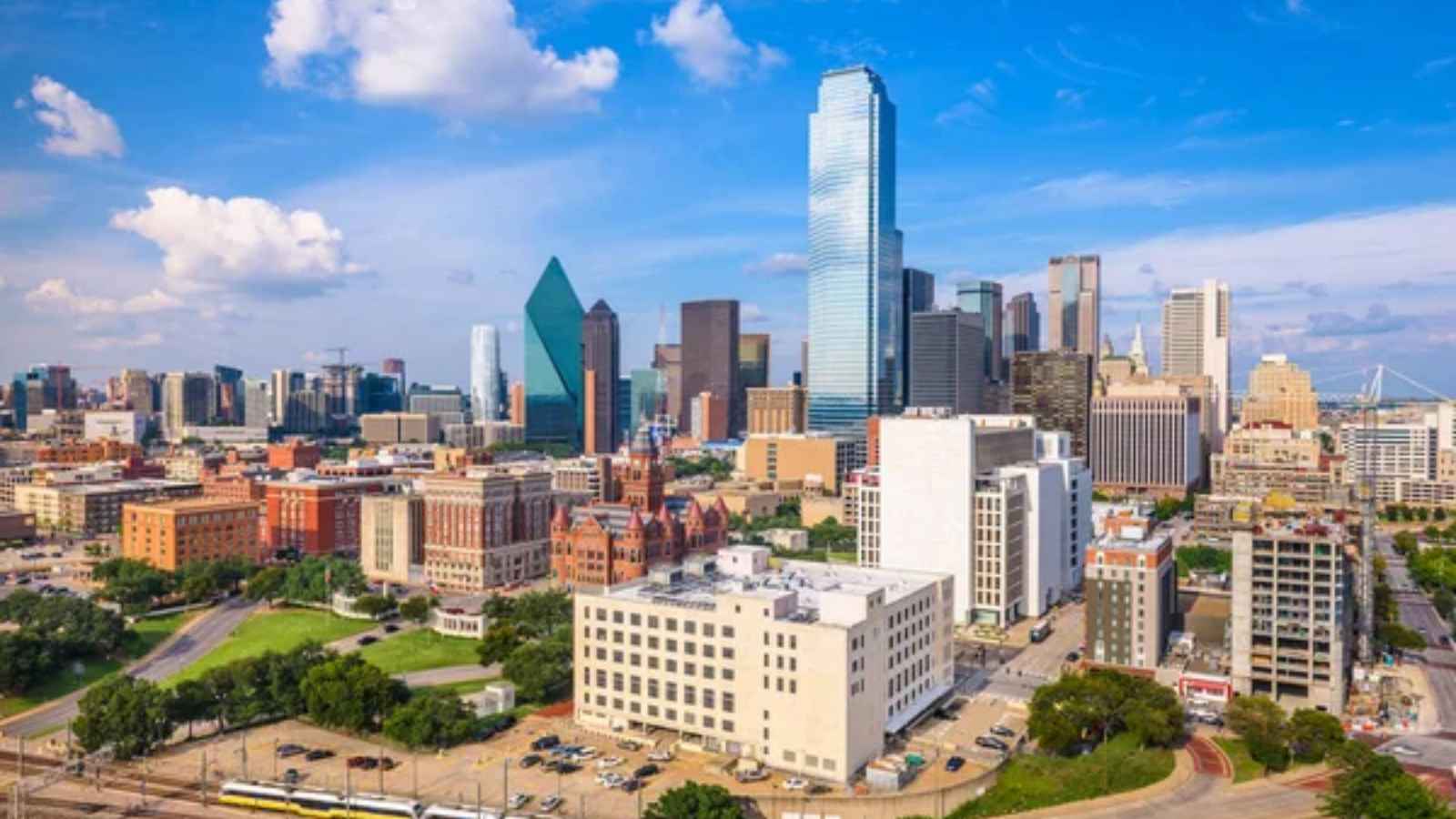
Texas is well known for its cowboy culture, BBQ, and some pretty wild weather. The state sees an average of 139 sunny days yearly, but it is a hotspot for severe weather events. The state is infamous for its tornadoes, with approximately 150 reported annually. The heat waves in Texas can push temperatures well above 100°F.
Despite the challenging weather, Texas remains beautiful to live in and visit. It is recommended to be prepared for tornadoes, identify your nearest storm shelter, and, for heat waves, ensure you stay hydrated and refrain from strenuous activities during peak heat hours.
California

California, a stunning state along the American coast, is often a dream destination for many. However, it has also seen its fair share of natural disasters, including wildfires, earthquakes, and occasional flash floods. Recently, the state has seen an increase in wildfire activity due to droughts and strong winds.
Visitors to California should stay informed of weather conditions and have an emergency plan if they are visiting during the wildfire season (July through November). It’s important to drop, cover, and hold on during earthquake activity until the shaking stops. Stay away from damaged buildings or structures after an earthquake.
Louisiana

Louisiana is known for its rich culture, music, and Mardi Gras celebrations. This southern state also experiences some of the most severe weather in the country. It is prone to hurricanes, heavy rainfalls, and flooding. Flooding is a significant concern, especially in low-lying areas like New Orleans.
A 2007 study conducted by SustainLane ranked New Orleans as the second-worst city for flooding risk. During hurricane season (June to November), residents of Louisiana are advised to be aware of evacuation routes and have an emergency plan in place.
Oklahoma
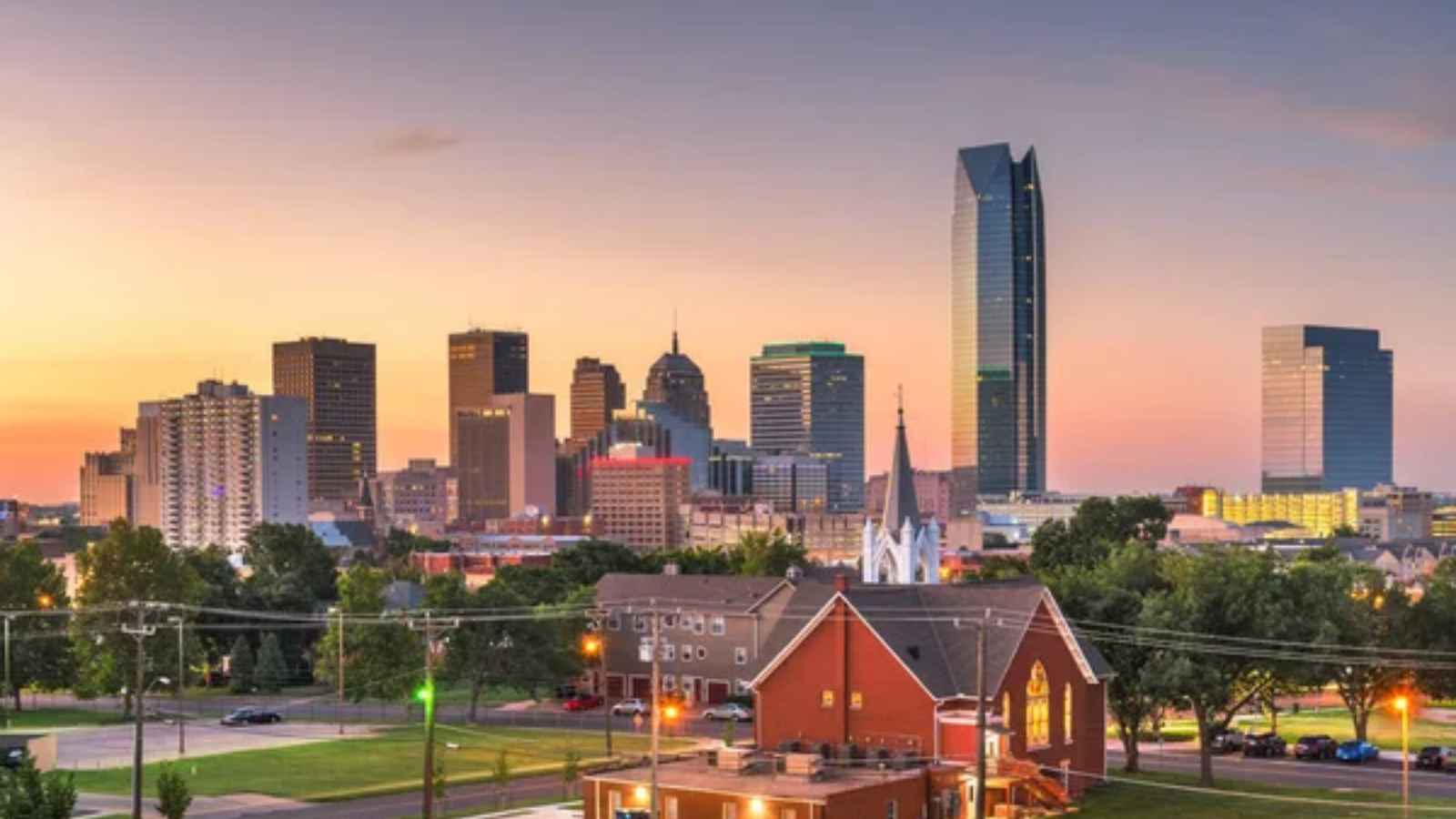
Oklahoma is located in the middle of Tornado Alley. Tornadoes are common in Oklahoma, as it sees more than 50 annually, with some causing significant damage and loss of life. Heat waves and droughts are also prevalent in this state, leading to wildfires and poor air quality.
Visitors in Oklahoma are advised to stay current on weather warnings and have a designated safe place in case of severe weather. Watch the sky for dark clouds and listen for emergency alerts.
North Dakota

North Dakota is another state that experiences harsh winters, with bone-chilling temperatures reaching -20°F. It also experiences blizzards and is at a high risk of flooding during the spring thaw.
The weather in North Dakota can be unforgiving, so it’s essential to have an emergency plan in place. Keep your car stocked with winter supplies and avoid traveling during severe snowstorms. Know the flood zones if you’re visiting in the spring.
Missouri

Missouri suffers from a mix of hot summers and icy winters, making it a state with a little bit of everything terrible. The state experiences thunderstorms and is even known to have a few tornadoes. Missouri State Climatologist Pan Guinan revealed that Missouri experiences an average of 30 tornadoes annually. Temperatures here can swing from a scorching 100°F in July to bone-chilling lows of -15°F in January.
Anyone planning to visit should pack flip-flops and snow boots. Missouri’s weather demands that you be ready for anything, making it an intriguing destination full of surprises. Always be alert to weather warnings year-round and have a plan for each type of severe weather event.
Kansas

Kansas is another Tornado Alley state where the weather can be pretty unpredictable. The state witnesses an average of 88 tornadoes annually, making it a hotspot for severe weather enthusiasts. The state experiences an average of 40-50 thunderstorm days yearly, so there’s a good chance your sun-soaked picnic could get an unexpected rain shower.
Residents should always remain vigilant: practice tornado drills regularly, have a storm kit ready to roll, and know the nearest tornado shelter. Visitors should pack light and be prepared for anything from a sunny day on the plains to a dramatic lightning show.
Massachusetts

Massachusetts is a beautiful state with stunning beaches, lush forests, and charming cities. However, it experiences harsh winters that bring bitterly cold temperatures and snowstorms. The state government emphasizes the importance of being prepared for winter weather by having an emergency kit with food, water, blankets, and other essentials.
Massachusetts can experience heat waves during summer, which bring high humidity and hot temperatures. Visitors should stay hydrated and take breaks from outdoor activities to avoid heat exhaustion or stroke.
Michigan

Michigan is known for its Great Lakes, scenic forests, and bustling city life. However, the state experiences some harsh weather conditions, especially in the winter months. Lake-effect snowstorms can bring heavy snowfall and dangerous driving conditions.
Michigan also experiences severe thunderstorms and tornadoes during the spring and winter months. When visiting this beautiful state, it is recommended that visitors have an emergency plan in place and stay informed of weather warnings. Visitors should also stay prepared for power outages and have plenty of winter gear.
Hawaii

Hawaii, often called paradise on Earth, is a beautiful island state with breathtaking beaches, lush rainforests, and a vibrant culture. This tropical haven also faces its share of natural challenges. The state is vulnerable to hurricanes and has one of the highest rates of flash flooding in the U.S. Volcanic activity is another factor, with Kilauea being one of the most active volcanoes in the world, being active since 1983, according to the U.S. Geological Survey.
Residents and visitors are often reminded to stay vigilant and informed. Pay attention to weather alerts, be prepared to move to higher ground quickly, and always keep an emergency kit ready.
Florida

Florida is notorious for its volatile weather, especially during hurricane season (June to November). The weather here can be unpredictable; you might be planning to bask in the sun, but be prepared for a sudden shower or a tropical storm to join your beach party.
Florida has the highest number of thunderstorm days in the U.S., as revealed by the National Oceanic and Atmospheric Administration (NOAA), with some areas experiencing over 80 days of thunderstorms annually. While in Florida, it’s advised to always have a hurricane preparedness kit and a solid evacuation plan, and be keen on weather updates from trusted sources.