
We often store leftovers, vegetables, and meat in plastic containers, which makes sense because you can take them almost anywhere. It is common knowledge that several things, especially foods and household items, can get damaged or even become poisonous if stored in plastic.
However, some plastics leach out toxic chemicals like BPA and phthalates, especially when scratched or heated. A report by Environmental Health Perspectives found that almost all tested plastic products leached those estrogen-like chemicals. For some products, this can be mitigated by not using plastic at all.
Hot Leftovers

Hot food can make plastic warp, shedding plastic particles into your meal. It’s best to cool your leftovers off first. Or just use the glass containers intended for hot items!
Tomato-Based Sauces

Plastic containers stand little chance against tomato sauces, which are known to stain them red. Their acidity can ultimately lead to the plastic breaking down and releasing chemicals into your food. The less messy option is to use glass jars or ceramic dishes.
Greasy Foods

Greasy foods like fried chicken or bacon coat plastic containers with a thin layer of oil that can be nearly impossible to clean. Because of this, cleaning becomes a pain, and bacteria also grow in this. Glass or stainless steel are better options to keep things clean and safe.
Acidic Foods

Citrus fruits, pickles, and anything with a vinegar dressing might be highly acidic and will make most plastics brittle. Additionally, the plastic can dissolve and release chemicals into the food, which is never good! Glassware is a better option.
Alcohol-Based Products
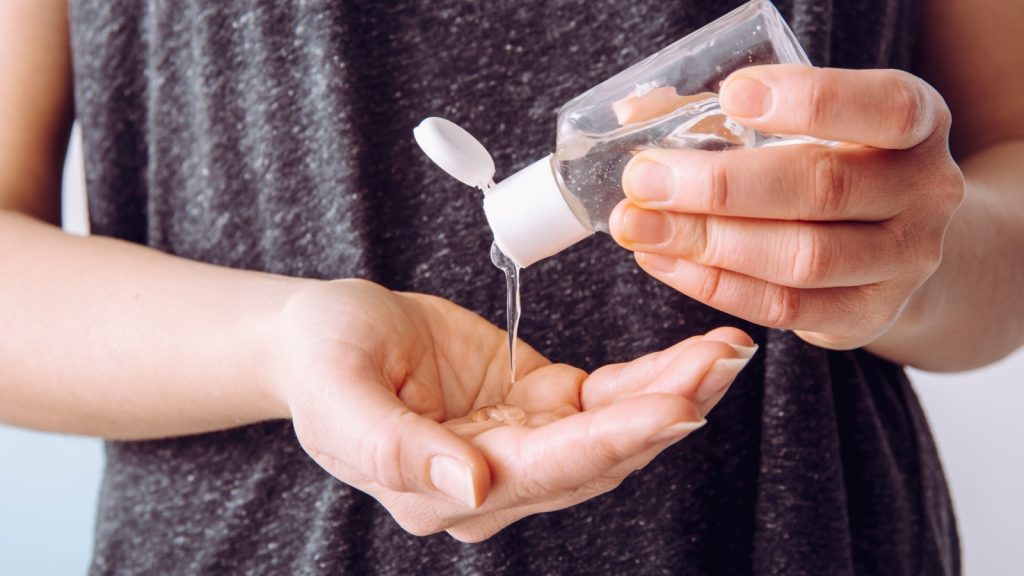
Plastic containers will degrade with alcohol-based products, including mouthwash and hand Sanitizer. The plastic degrades due to the alcohol, resulting in leaks and contamination. Keep them in their original containers or transfer them to glass bottles.
Dairy Products

Over time, plastic containers can cause milk, cheese, and yogurt to taste and smell like plastic. If they are not stored correctly, plastic containers can encourage the proliferation of bacteria. If possible, store dairy in glass jars or ceramic bowls.
Spices and Herbs

Storing spices and herbs in plastic containers can cause them to lose flavor and potency over time. Plastic isn’t airtight and can allow air and moisture to get in, which degrades the quality of your spices. Glass jars with airtight seals are the way to go.
Coffee Beans

Coffee beans are sensitive to light, air, and moisture. Storing them in plastic containers can quickly cause them to lose flavor and aroma. Use opaque, airtight glass or ceramic containers to keep your coffee fresh.
Fresh Produce

Moisture tends to gather while storing fresh fruits and vegetables in plastic containers, which can cause them to sweat and ultimately become moldy or spoiled. Mesh (so they can breathe) bags or fine-ventilated plastic produce containers are best for storage.
Leftover Pizza

It might not sound too risky, but tomato sauce’s greasy (from butter) and acidic combination can obliterate plastic containers. And its smell lingers. Cover your extra slices in aluminum foil or store them in a glass container.
Peanut Butter
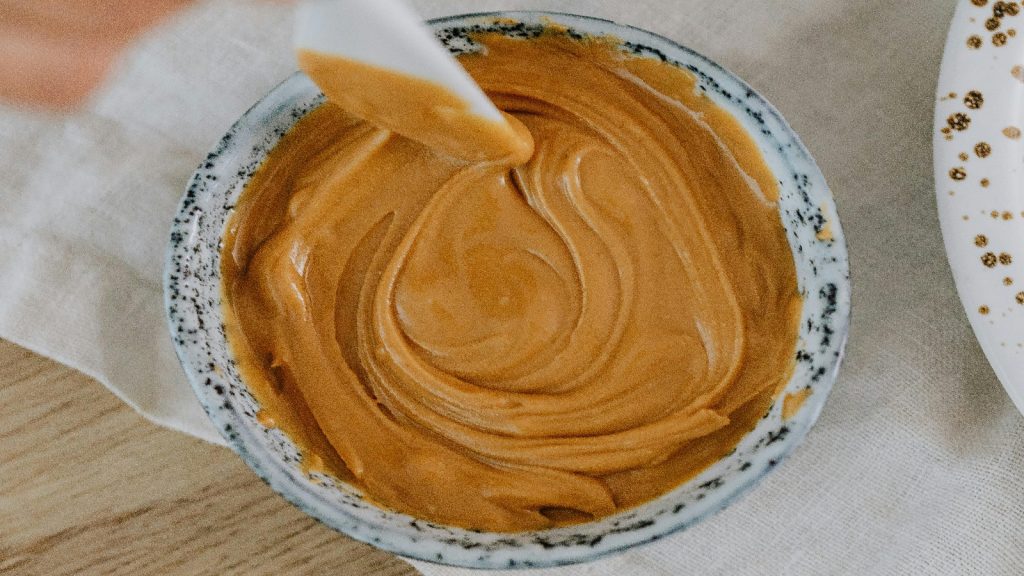
Since peanut butter is oily, it can easily leave a greasy residue in your containers. It is also not easy to clean and can harbor bacteria. For convenience, you can keep peanut butter in the original container or move it to a glass jar.
Cleaning Supplies

Storing cleaning supplies in plastic containers can be risky. Many of these products contain harsh chemicals that can corrode plastic, leading to leaks and spills. Keep them in their original packaging or transfer them to sturdy, labeled glass containers.
Essential Oils

Essential oils are highly concentrated and can break down plastic over time. Storing them in plastic containers can lead to leaks and loss of potency. Glass bottles with airtight lids are the best option for preserving the quality of your essential oils.
Honey

Honey is acidic and can cause plastic containers to degrade over time. It can also absorb the taste and smell of the container, affecting its natural flavor. Glass jars are ideal for storing honey to maintain its purity and taste.
Baking Ingredients

Flour, sugar, and other baking ingredients can absorb odors and moisture from plastic containers, affecting their quality. They can also leak harmful chemicals into your ingredients. Store them in airtight glass or metal containers for best results.