

The United States is set to experience a significant population shift, with millions of residents projected to relocate from high-cost regions to areas offering greater affordability and opportunity in 2026. The U.S. Census Bureau reported that the number of people who moved between the states increased from almost 7.9 million in 2021 to about 8.2 million in 2022.
American Community Survey (ACS) shows that state-to-state movers also comprised a greater share of all movers between 2021 and 2022, growing from 18.8% to 19.9%. These shifts are much more than a reflection of one’s personal choices; they signal greater socio-economic trends that can have implications for infrastructure, governance, and workforce distribution for many years into the future.
California

California continues to lose its population due to very high housing costs, soaring taxes, and the weight of its ever-increasing regulatory regime. California Association of Realtors highlights that the median home price reached $868,150 in September 2024. That represents a 2.9% increase, year over year, from September 2023, when the state’s median home price was $843,340.
Workers and families are relocating to states such as Texas, Arizona, and Nevada because they are more affordable and their taxes are far lower. Unabated droughts, wildfires, and traffic congestion further degrade the desirability of the state.
New York

According to the U.S. Census Bureau, more than 545,000 New Yorkers left the state in 2022 alone, with over 17 percent moving to Florida. The Empire State ranked number one in the nation for net population decline, losing over 180,000 residents in 2022.
Housing and rental costs remain the highest in the country. The remote work trends have allowed them to move to Florida and the Carolinas, where costs are low and quality of life is perceived as high. This dense urban environment and an uptick in crime also contribute to migration patterns.
Illinois

With Chicago’s economic struggles and fiscal instability at an all-time high, Illinois is experiencing some of the largest population losses in the country. Chronic budget deficits and property tax rates among the highest in the nation drive middle-class families to lower-tax states such as Indiana and Wisconsin.
Crime issues, infrastructure decaying, and job sector losses are forcing people out of this state at an accelerated rate, especially those younger professionals who seek stability.
New Jersey

The outrageous property taxes—the highest in the nation—and the extremely high cost of housing are cited as the top reasons people are leaving New Jersey in droves. Neighborhood states, Pennsylvania, and even further south, Florida, have more friendly taxes that attract many families from the state.
Traffic congestion is problematic, infrastructure needs to be updated, and affordable housing is generally unavailable, making the state less desirable despite its proximity to major job markets such as New York City.
Connecticut

Economic concerns and high taxation outshine Connecticut’s attraction for small-town charm. The number of job avenues in manufacturing and finance is shrinking, one reason people have moved to North Carolina and Florida.
With median property taxes over $6,000 annually, many families and retirees head to the South for affordability. Shrinking labor markets in Connecticut has also kept young professionals away.
Massachusetts

Due to Massachusetts’ strategic unaffordable housing and rental markets, residents are migrating from the state, particularly from Boston. For example, median rents in Boston have surged past $3,500 per month at their peaks, sending young professionals to the Midwest and South for more affordable options. A high cost of living with harsh winters also turns people to Texas and Florida, among others.
Pennsylvania

For years, former Pennsylvania industrial centers such as Pittsburgh and Scranton have suffered economic stagnation that encourages residents to leave the state. The state’s economy is still too dependent on the shipment of coal and steel, among other declining industries.
Many of its younger residents migrate to other states that boast strong job growth and higher-quality educational opportunities. In some rural counties, the population decline is more noticeable because these areas face immense health and infrastructural challenges.
Michigan

Coupled with the loss of manufacturing jobs and a general lack of diversification, Michigan is in perpetual pain. Places like Detroit also have specific issues regarding things like older infrastructure and underfunded public services.
Young professionals head for states like Georgia and Texas, which boast a growing market for tech and healthcare jobs. Michigan’s harsh winters further discourage staying.
Ohio
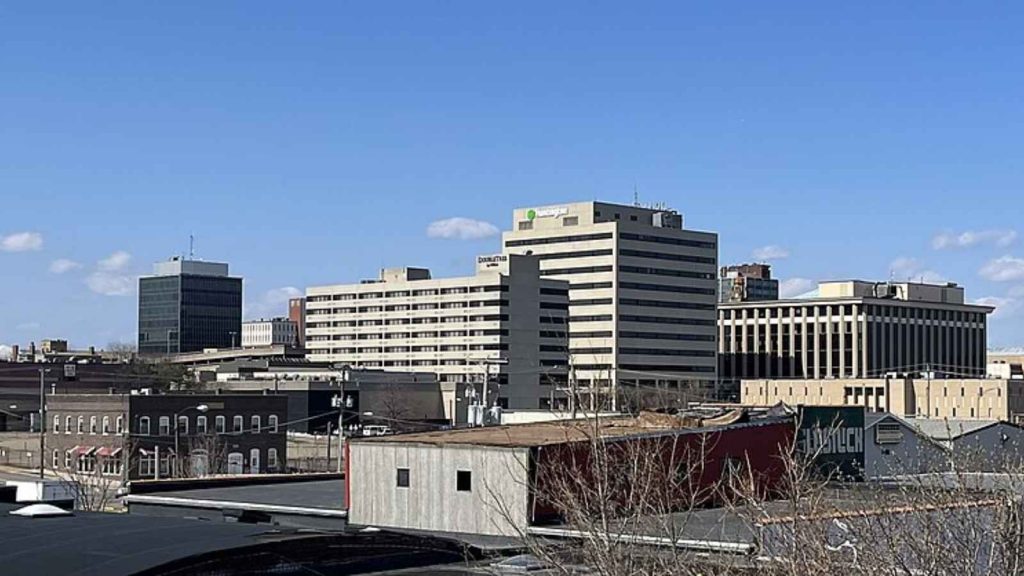
Ohio’s aging industrial base and its line of struggling urban areas, such as Cleveland and Dayton, are drivers of migration to more dynamic states. Constrained job markets and continued population declines have stressed local economies in a disinvestment cycle.
Many residents find greater opportunities in particular states with growing tech and health industries, such as North Carolina. In addition, rural Ohio is seeing decreased access to education and healthcare.
Indiana
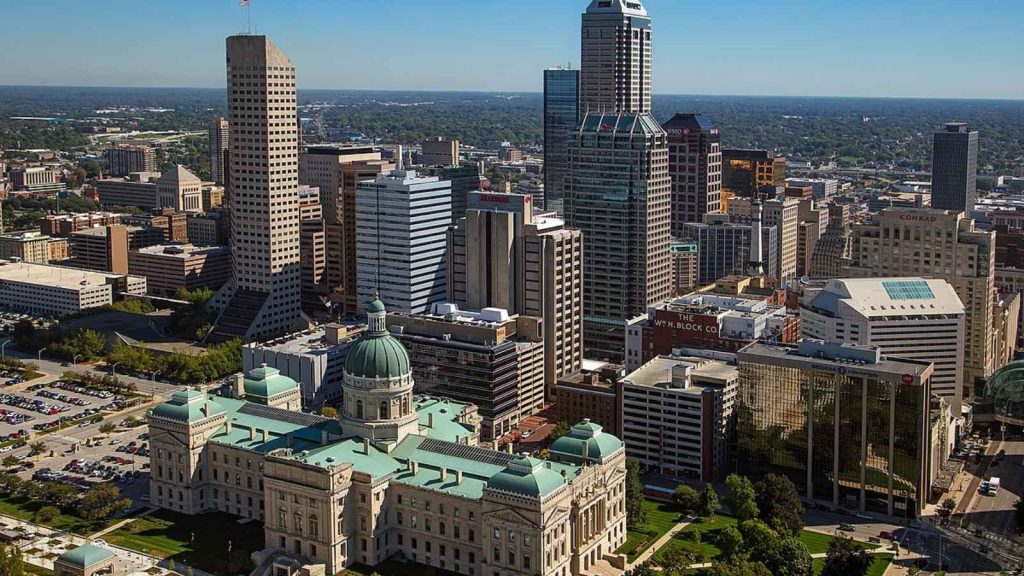
Indiana ranks low on many parameters of high-quality health, education, and employment opportunities. Its struggle to retain residents is attributed to the low availability of such facilities.
It offers a meager cost of living, but a lack of modern amenities and social infrastructure grossly diminishes the quality of life. Most families seek better public services and cultural opportunities in nearby states like Ohio and Illinois.
Wisconsin

Wisconsin’s frigid winters and flat job market make attracting and retaining younger residents challenging. The state has some urban appeal in Milwaukee and Madison, but residents are leaving for Southern states with better weather and stronger economies.
Minnesota has high property taxes and is mainly without public transportation, which allows this steady outmigration to continue.
Minnesota

According to Minnpost, higher income tax rates and life in cities like Minneapolis, Minnesota finds itself losing residents. Extreme winters in this state and generally harsh weather contribute much to these migration trends, especially among retirees and remote workers.
For certain destinations, southern states include those with lower taxes and milder climates, such as Florida and Texas.
Oregon

Once a haven of affordability and greenery, Oregon has also joined the ranks of outmigration states as its housing costs, congestion in urban centers, and homelessness grow, especially in Portland.
The cost of living has increased far beyond wage gains for many in the state. States like Idaho and Washington often become places where Oregonians move to find more affordable costs and more tolerable lifestyles.
Washington

Washington, most notably Seattle, needs help with its unique issues of being a tech-driven economy with no affordable no affordable housing prices. While the job market is open to many, most middle-class families end up pricing themselves out and relocating to nearby states such as Idaho or Oregon. The overall property taxes and increased congestion in the cities pose further issues.
Nevada

Nevada’s economic dependence on tourism and casino activity puts it under stress during economic downturns, such as the COVID-19 pandemic. UNLV’s Center for Business and Economic Research projects that visitor traffic in Southern Nevada would decline by 5.8% in 2025 and 6.9% in 2026. Gross gaming revenue will also further decline by 5.4% in 2025 and 4.6% in 2026.
Many residents are relocating to nearby states with more diversified economies, including Arizona and Utah. At the same time, home price increases and a shortage of water supply also influence people’s migration decisions.
Colorado
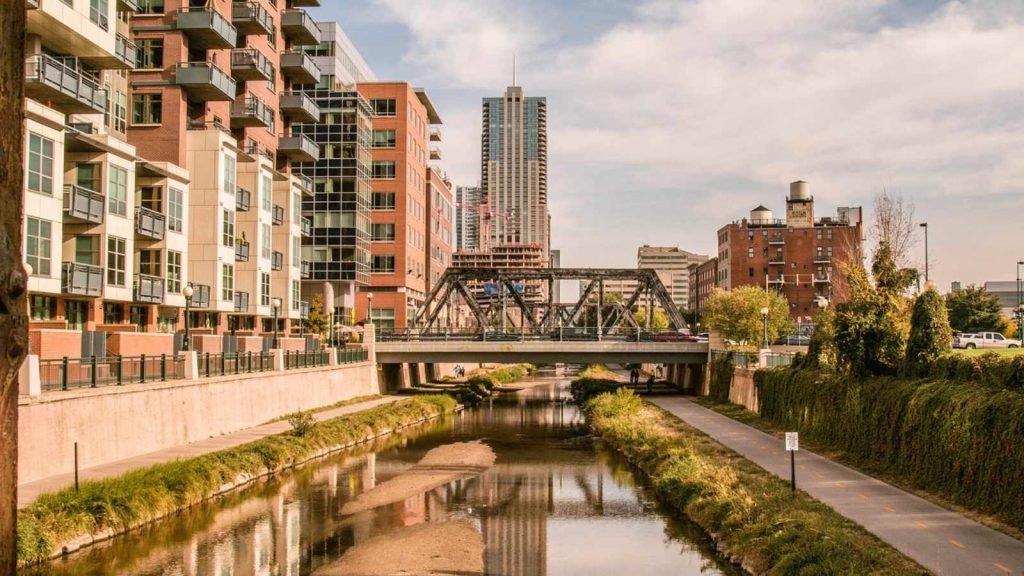
According to Colorado Realty and Property Management, Colorado once had somewhat affordable cities, like Denver, those same cities see rapid housing inflation today, with prices growing by more than 40% in just the past five years.
The high cost and increasing congestion in traffic flow are forcing people to move to states with similar lifestyles but less costly, such as Utah and Arizona.
Florida

Florida has some special problems with migration, even as a retirement haven. With hurricanes increasing, sea levels rising, and home insurance costs through the roof, some are forced to leave. In particular, younger families will head inland to states like Tennessee and Georgia with less climate risk.
Disclaimer: This list is solely the author’s opinion based on research and publicly available information.
Affordable Home Entertainment: 11 Must-Have Finds For Enhancing Your Family Movie Nights

Affordable Home Entertainment: 11 Must-Have Finds For Enhancing Your Family Movie Nights
How to Clean Your Smoker Grill Combo Like a Pro

How to Clean Your Smoker Grill Combo Like a Pro
15 Common Mistakes That Unknowingly Make