The 1970s were a time of vibrant colors, revolutionary technology, and cultural shifts. This was the period when people had ideas and nobody was afraid to implement. Items of daily use of this period have now become antiques, which proves that great progress is being made.
Pew Research Center found that only 58 percent of Americans say life is worse now than 50 years ago, and only 23 percent say it’s better. This contrast shows that, as many things became more technologically and socially advanced, there was a strong longing to return to the past.
Pet Rocks
Gary Dahl advertised the Pet Rock, a smooth pebble supplied with a cardboard house and an owner’s manual, in 1975. Consumer interest and entertainment are indicated by the fact that Pet Rocks sold over 1 million in six months.
An excellent example of how something can be so ridiculous yet popular. Their acceptance of and seeking of playful, unorthodox products in everyday life was also demonstrated.
Payphones

The way back before cell phones was pay phones. The most needed coins to use, and you’d find them on corners. Anonymity and convenience were supplied by these tools, now supplanted by mobile devices.
People who did not have a home phone relied on payphones as a lifeline and during emergencies. Public payphones are hard to find these days, especially since almost everyone carries a mobile phone almost all the time.
Rotary Dial Phones

Rotary phones also required much waiting in traditional dialing. Only manually could the dial be turned, and it turned slowly, and there were numbers to memorize. Back then, there was no speed dial, and it was slower than dialing a number on today’s smartphones.
Rotary phones were more thoughtful to use and needed more attention than modern ones, jam-packed with mobile apps. This slow communication is an indicator of how technology has now affected the rate of communication, as we can now multitask.
18 Vintage Home Features We Once Loved — But Are Now Long Gone
Bean Bag Chairs

They became popular in homes and offices, thanks to comfortable, versatile chairs. They were comfortable and adaptable. Bean bag chairs were a first in furniture, offering a choice of relaxed, informal seating.
There are different sizes, colours, and materials to choose from, but bean bags are one of those items that both kids and adults enjoy.
Vinyl Records

People would use old vinyl records when streaming services didn’t exist. Each album has to be treated, and the listening wasn’t automated. The album art for the songs also contributed a lot to that whole experience and to setting the right mood for the music.
For this reason, it is not surprising that the music format is returning today, as it remains emotive. For some people, it is just the sound and the physical feel of ‘vinyl’ (even better without the music companies presenting music to them).
Gasoline at 30 Cents a Gallon

For 30 cents a gallon, you could fill your tank in the ’70s. There was little such thing as a slight gas shortage, and fuel economy didn’t create a huge problem. The roads were ruled by muscle cars—this epitomized the age. Gasoline was very affordable, making it possible to travel everywhere and explore.
And because of increased concern about environmental issues and changing fuel prices, this has been the case. As the world’s people slowly come to realize the need for resource sustainability and overall conservation, the public interest in electric cars and hybrids is on the rise.
8-Track Tapes

They were precursors to cassette tapes and CDs, and are very portable music cartridges. They existed, but their sound quality wasn’t great, and they weren’t very capacious. The 8-tracks were larger than those on cassettes or CDs that came later to the market.
However, their portability was a major step in the evolution of mobile audio technology and opened a new level of freedom for fans of mobile music.
Polaroid Cameras
Polaroids that could snap pictures, and then the photos were printed later with white borders. The help of creative filters in digital photography offers this analog instant photography the same encouragement for creativity.
With the use of digital cameras now largely standard, Polaroid cameras have especially come back into fashion among those for whom the nostalgic and physical nature of their images makes them appealing.
Bell-Bottom Jeans

The bell bottom jeans were fashionable because they were about freedom and individuality. These pants were usually bright, colorful, and if they ever looked bad, it was because of the decade.
Bell-bottoms are a symbol of freedom and rebellion and remain a popular fashion trend.
Waterbeds

There also existed waterbeds, predominantly as an alternative to traditional mattresses, providing warmth and a relaxing experience. They have seen their popularity fall off in recent years, but they are remembered for their unique floating sensation.
Waterbeds were a byword of that 1970s counterculture and an image of experimentation and relaxation.
Pong

Pong was an amazing breakthrough when it was released. For the first time, it introduced millions of people to the world of interactive entertainment, and it paved the way for future game consoles and computers.
Pong was a revolutionary idea that introduced video games to people’s screens and showed them how to spend their downtime.
TV Antennas
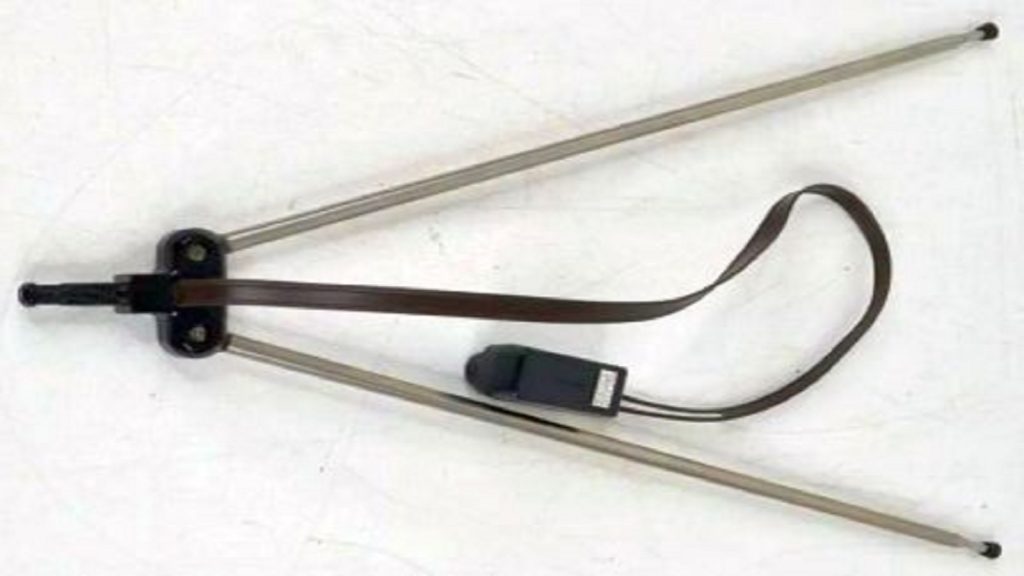
There was a time back in the ’70s when one was lucky to get a good TV signal with a set that included rabbit-ear antennas on top. In fact, families sometimes adjusted these antennas to improve reception and keep watching their favorite shows.
Your patience and skill were often needed to operate the antenna, a symbol of those early days of television.
Typewriters

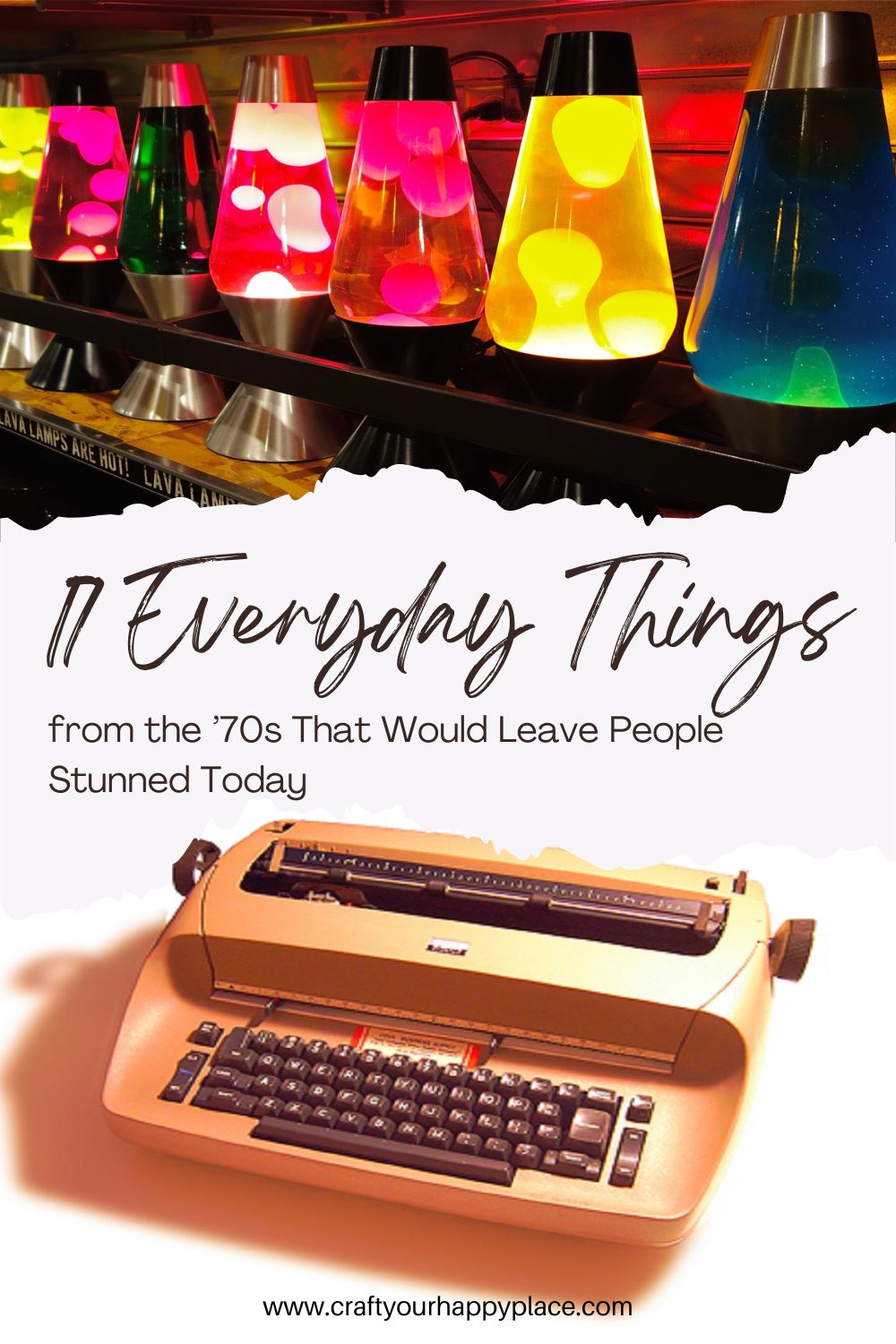
Typewriters were extremely precise, and one really had to be careful about typing because if you screwed up, you were then forced to either redraw a line or, at best, scrub it with whiteout. This is starting to feel more like what used to be: mechanical writing.
Writers, journalists, and business professionals all needed typewriters and the associated skills because typewriters were a symbol of professionalism and the intellectual pursuits of life.
13 Childhood Electronics That Are Now Officially “Vintage”
Mood Rings

Mood rings, with their changing-color stones, became the rage and were supposed to reflect your mood. The temperature-sensitive liquid crystal appeared in these whimsical and mysterious accessories.
And though scientifically flawed, they entertained and fascinated many buyers. Teens and young adults who were exploring their identities and feelings all found them popular.
Station Wagons

Station wagons were the go-to family car of the ’70s, long before SUVs or minivans. They were spacious cars, great for families to haul the kids around, turn into a carpool, or haul groceries or camping gear.
With wood paneling, they were symbols of practical suburban life. Today, they inspire a primitive longing for simpler, less troubled stories.
Tang

Powdered orange drink mix that became associated with NASA astronauts. It became an American staple, an easy and refreshing drink in many homes.
Tang, once a symbol of the space age, the ‘American way,’ and of nostalgia, remains a nostalgic favorite.
Lava Lamps

These colorful and attractive lamps were big-time home decor items. The glow, combined with their psychedelic look, captured the spirit of the time.
Lava lamps were a symbol of the counterculture movement and the psychedelic drug culture and represented relaxation and experimentation.