Data from various sources indicates that 71% of U.S. consumers enjoy items that remind them of their childhood. This underscores the powerful allure of nostalgia in marketing and consumer behavior, as many individuals actively seek products and experiences that evoke positive memories from their youth.
Remember the Jell-O salads your grandmother used to make or the excitement of finding Altoids Sours at the checkout counter? These once-beloved foods have slowly vanished from American stores, leaving many of us with a sense of nostalgia. What happened to our favorite snacks and treats? Here are 15 foods that were once popular but have since disappeared from American stores.
Haribo Sugar-Free Gummy Bears

Haribo Sugar-Free Gummy Bears made an effort to make gummy bears healthier by substituting sugar with the synthetic maltitol. They were meant to be a guilt-free treat for candy-craving children. However, maltitol caused serious gastrointestinal disturbances, which left consumers in disarray.
After many complaints, the product was immediately removed from the market. Haribo Sugar-Free Gummy Bears remind us of the importance of testing and considering consumer feedback before launching a product. They demonstrate the perils of including novel ingredients without understanding their effect.
Jell-O Pudding Pops
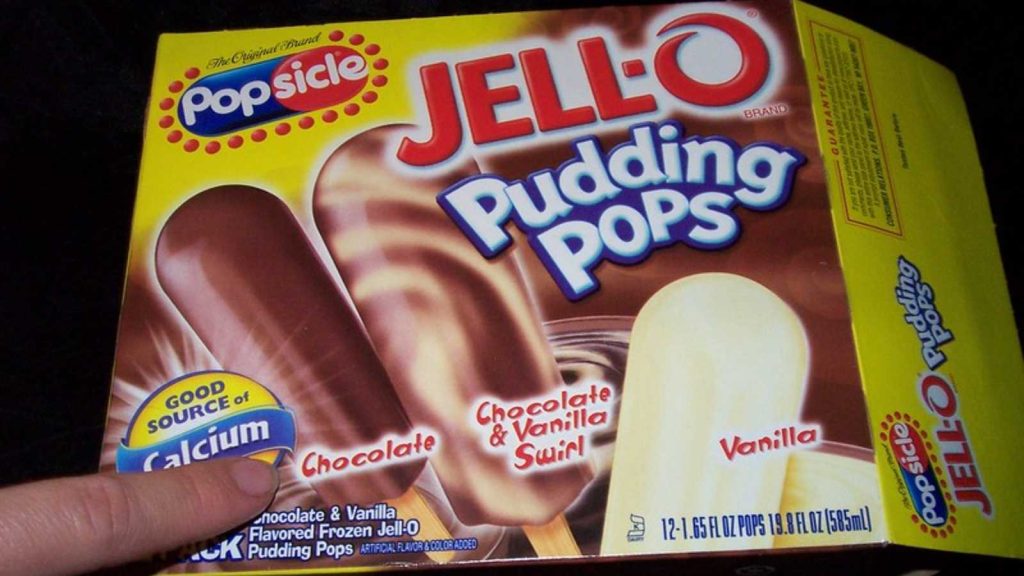
During the 1980s and ’90s, Jell-O Pudding Pops were a hit frozen delight. Kids and adults alike loved these cream-based pudding popsicles because they were sweet and refreshing. Jell-O Pudding Pops sold well at first, but the product began to decline as quickly as it had risen.
Their cancellation was due to several variables, including competitors, other more popular frozen desserts, and consumer demand. Jell-O Pudding Pops are steeped in history, nostalgia, and refined palates. They’re not around anymore, but they’re special to people who had them in the past.
Jell-O Salads
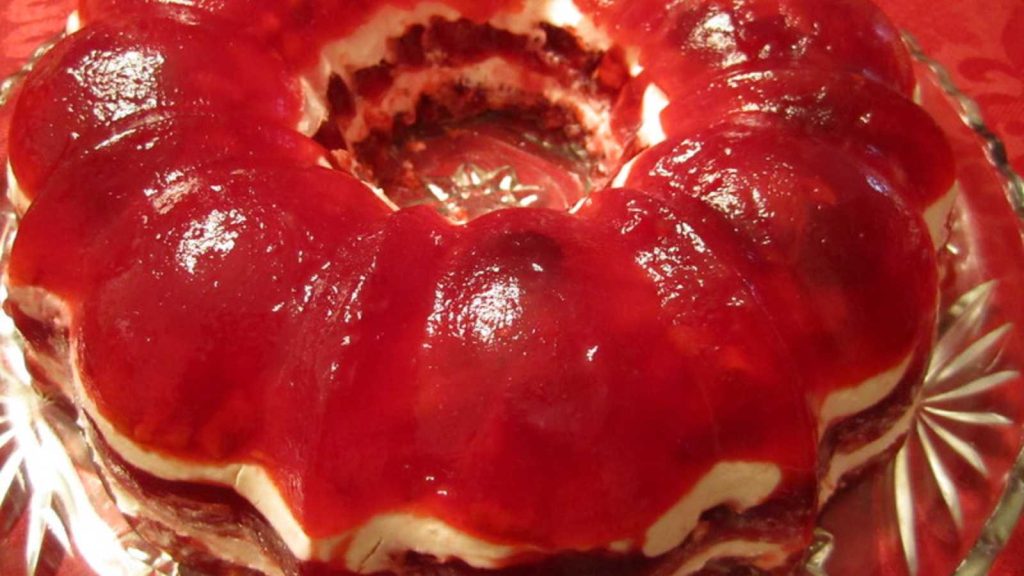
The Jell-O salad is a staple of American midcentury cookery. It was colorful and cute and seemed like a genuine creative act in a society heading towards all-you-can-eat fast food chains.
But when the next wave of consumers tilted towards essential, natural products, the days of Jell-O salads were done. In the 1980s and ’90s, allergies to processed, unnatural colors and flavors were revealed as lifestyle diseases. Anything like that made Jell-O salads seem old-fashioned and risky.
15 Unlikely Food Pairings That Actually Taste Amazing
Salisbury Steak

Once seen on TV dinner menus and a poster boy for US convenience food in the mid-century, Salisbury steak was a thing. It was also a Civil War comfort food in frozen meals.
There are reasons why this steak has fallen out of grace. Today, eaters don’t hunt for processed or frozen food but rather for fresher, healthier options.
TV dinners are also not quite as enticing anymore with the addition of more types of foods. It’s no longer a freezer mainstay, but it remains part of US history. Speaking to the broader movement around better food and changing American tastes, its loss signifies something.
14 Classic Old-School Dinners That Are Almost Forgotten
Altoids Sours
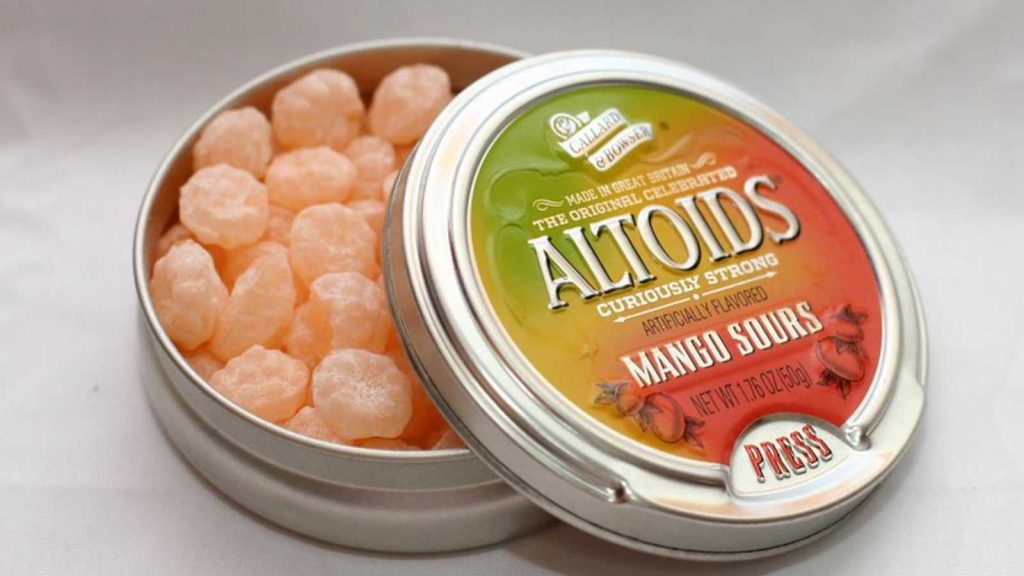
But in 2004, Altoids Sours was launched and soon became a cult phenomenon. Despite its success with Altoids Sours, the line was discontinued in 2010 due to low demand.
It disappointed many fans and even inspired online petitions to bring them back, as reported by The Today Show. Altoids Sours still enjoy a cult following today, and consumers continue to remember the candy on social media. Their disappearance reminded us of the uncertainty in consumer demand and market dynamics.
Dunkaroos
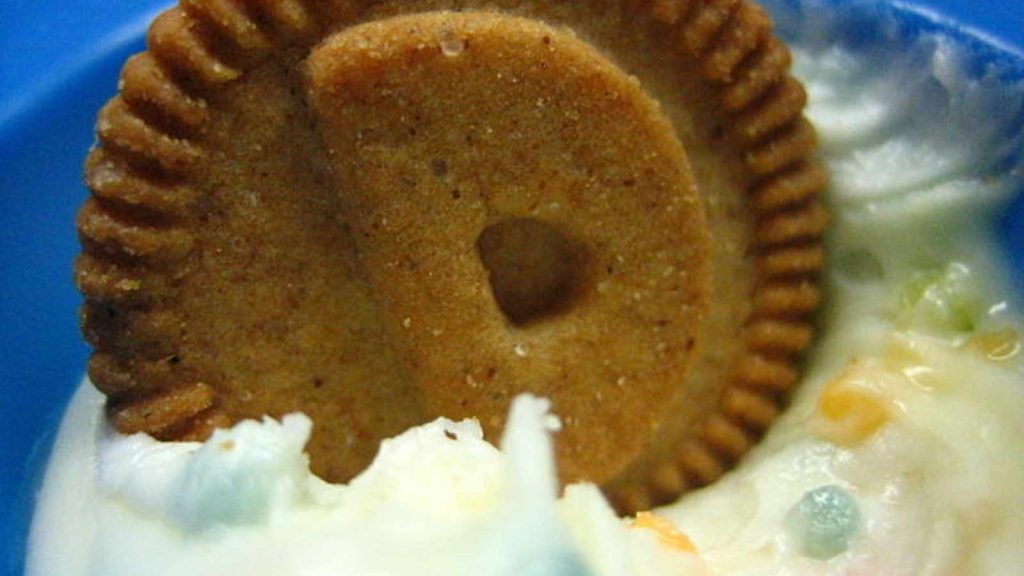
Dunkaroos, the cookie-and-frosting treat of the 1990s, was very popular with children and parents alike. The Graham cookie and the frosting made for an easy, delicious snack. The New York Times notes that Dunkaroos were axed from the US market in 2012, to the dismay of fans.
Then, in 2020, the snack reappeared, joining the 90s nostalgia trend in global consumer markets. Nostalgia is evident in the re-emergence of Dunkaroos as a sales item. However, it also shows how some products can ignite a new wave of success by tapping into people’s connections to their pasts.
Haagen-Dazs Black Walnut Ice Cream
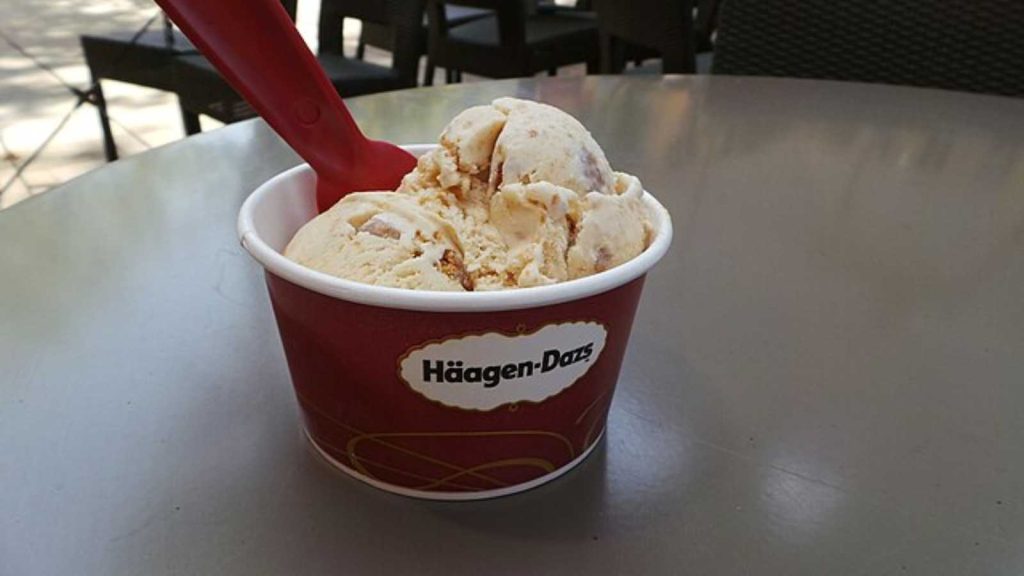
Haagen-Dazs’ Black Walnut Ice Cream is rich and creamy, perfect for people who love the earthiness of black walnuts. However, the flavor eventually fell out of production due to a lack of consumer demand.
Losing it from retail shelves was sad for a few admirers who had no idea it was going. Haagen-Dazs Black Walnut Ice Cream demonstrates that niche markets are challenging to control. It is also an example of how a good product might not have broad consumer appeal.
Set Up the Perfect Ice Cream Parlor with Our Free Printable Kit
Hershey’s Bites
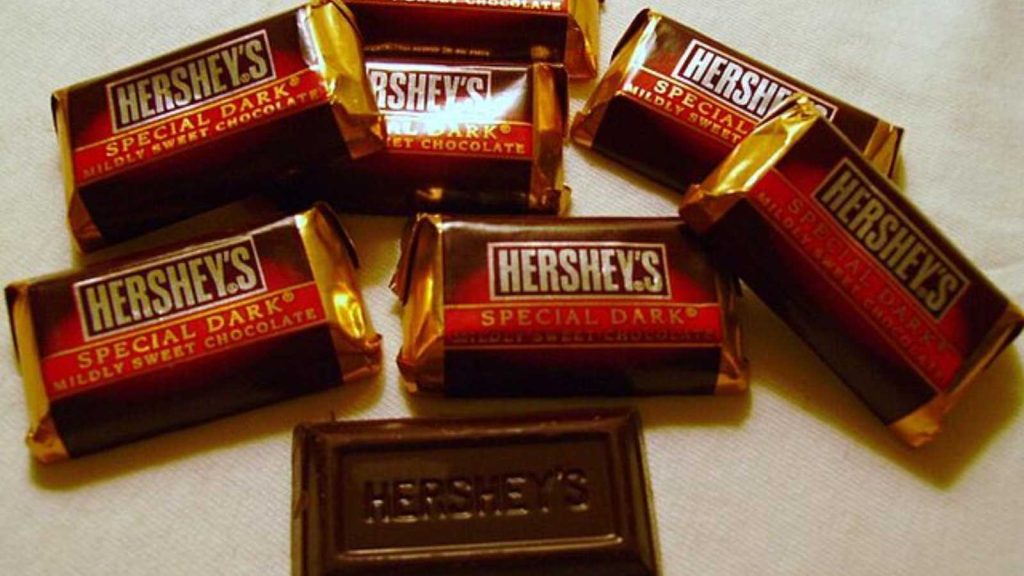
Hershey’s Bites were miniature, bite-sized Hershey’s chocolate gifts. But they did it in a form that was easier to dispense. They were discontinued due to safety concerns about choking hazards.
They were popular at first, but their size had a price. Product safety became a concern with Hershey’s Bites. It shows us that popular goods must meet strict safety standards in the marketplace.
Wild Cherry Jell-O
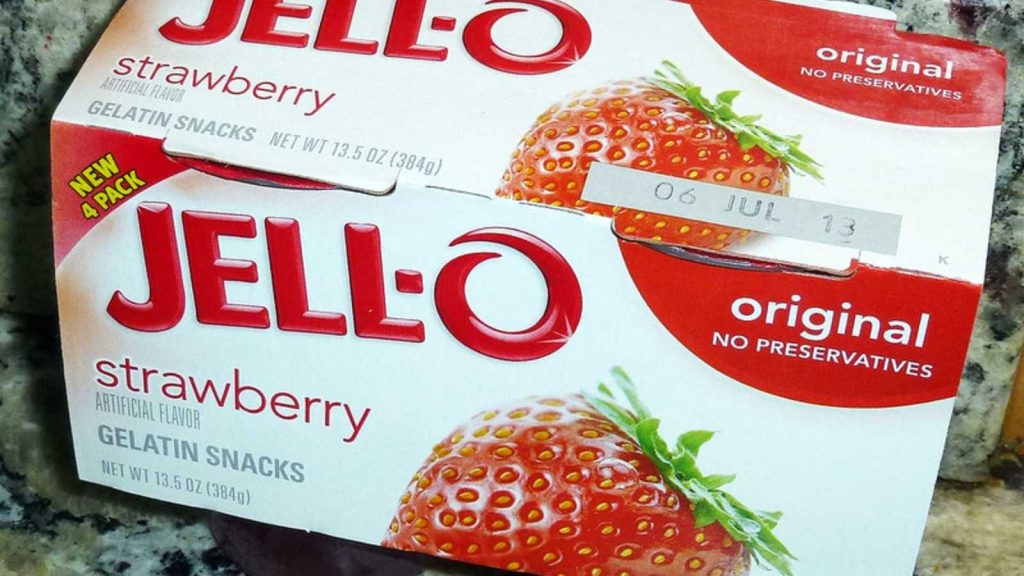
Other “wild” flavors included wild strawberry, wild raspberry, and—among the gelatin’s jellied offerings—wild cherry, which offered a fruity crunch. People who liked trying new flavors liked these flavors.
Eventually, exotic flavors quietly faded off the retail shelves. We don’t know why they discontinued them, but they probably did because of changes in consumer tastes and sales numbers. Although they have been discontinued, and there are none to be found, Wild Cherry Jell-O and its variations live on in the memories of those who indulged. They remind us of the constant change of what consumers want.
Creme Savers

Creme Savers were fruit- and cream-flavored, cream-swirled hard candy. They were popular and would trickle into office candy buffets and pantries. However, they seemed to vanish from the shops… and nobody knew why.
What happened to them is unclear, but fans had been waiting for them to return for years. This also brings to mind how attached people become to specific products, thinking that Creme Savers will be gone forever. It also shows what consumer market nostalgia brands might be able to return to.
Doritos Guacamole

When they first came out, Doritos Guacamole was a huge hit. Doritos, with its chewy crunch, and guacamole, with its creamy smoothness, were instant snack crowd-pleasers. Although Doritos Guacamole was a hit when it first launched, it soon disappeared from supermarket shelves.
We don’t know why it was no longer produced, perhaps because of costs or changing tastes. Throughout Doritos Guacamole’s history, there has been a perpetual search for the next great snack. This reveals that even new flavors must always meet consumer expectations.
Keebler Magic Middles
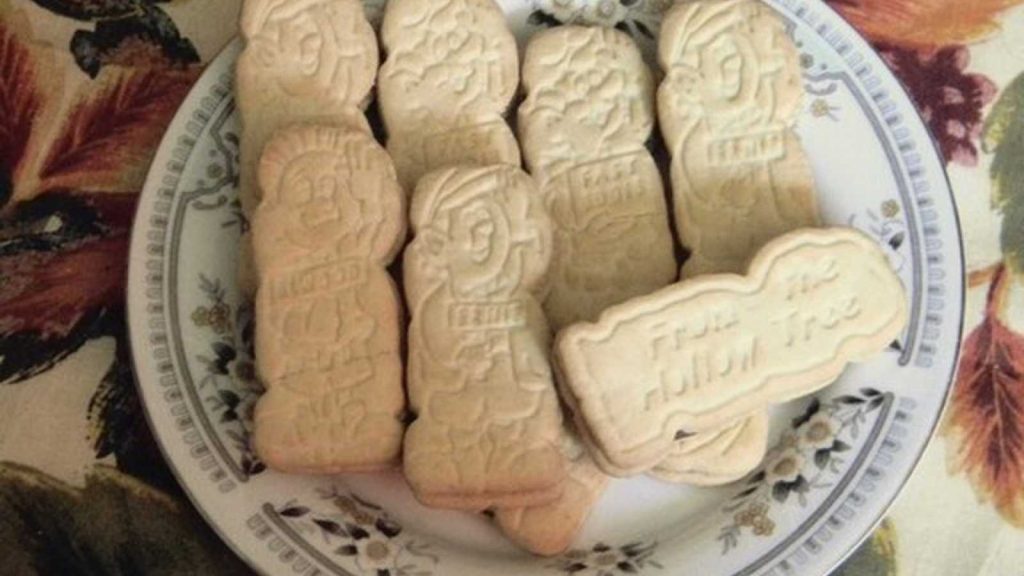
Keebler Magic Middles were shortbread cookies filled with peanut butter or fudge. They had it all—nice and chewy on the outside and spongy on the inside. These cookies were yanked right off the market, and fans weren’t ready for that kind of thing.
Keebler Magic Middles offers us an old-school cookie tradition. However, they highlight the challenge of keeping consumers engaged in a fast-moving snack market.
Nestlé Wonka Bar
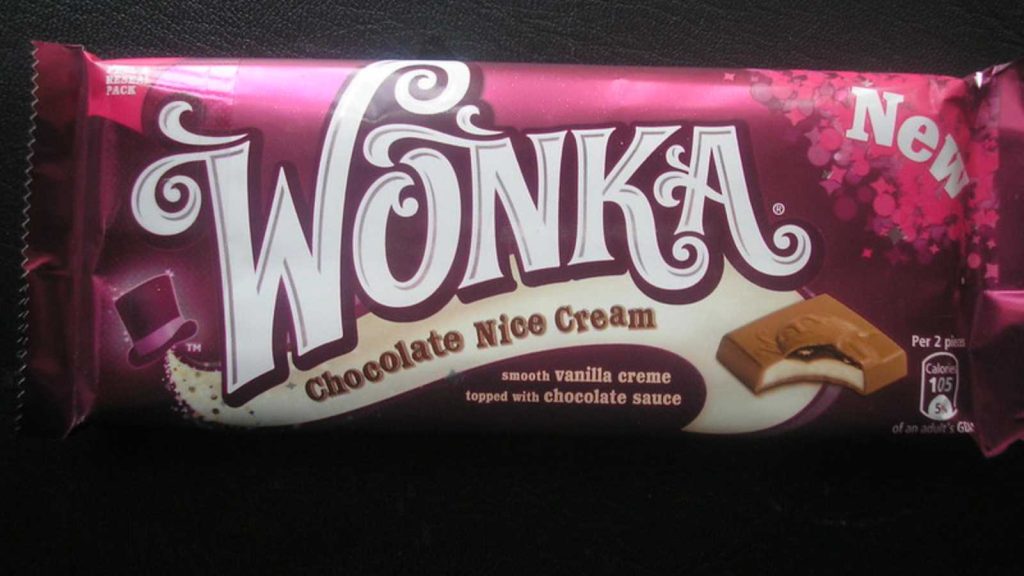
Based on Charlie and the Chocolate Factory, Nestlé Wonka Bar was a dream for many chocolatiers. The idea was to recreate the magical and playful atmosphere of the imagined Wonka factory. While there was initial excitement, the Wonka Bar never took off and was pulled in short order.
It didn’t quite measure up to the high standards of its literary brethren. Product success isn’t guaranteed simply because the audience recognizes the brand.
Pizza Spins

Pizza Spins were wheel-shaped pizza snacks with a distinct savory bite. They went on sale in 1968 and became instantly popular with snack lovers.
Unfortunately, Pizza Spins had a short life and were off store shelves by 1975 (we don’t know why), probably due to changing consumer tastes and market forces. Pizza Spins highlights the ever-present need for variety in the snack market. They teach us that even new products must continue to capture interest to stay on the shelf.
Hershey’s Swoops

Chocolate chip Pringles, called Hershey’s Swoops, introduced an unusual form of chocolate consumption. They were in different flavors and were a fun snack.
Despite being well received, snack sales dwindled. Hershey’s Swoops is a tale of coordinating innovation and demand. It reminds us that products have to evolve to meet new tastes and preferences.