

Book bans in the U.S. have been contentious issues, reflecting broader societal debates around censorship, freedom of expression, and educational access. The American Library Association (ALA) reveals that 4,240 attempts were made to censor unique book titles in schools and libraries in 2023 (a 65% increase from 2022).
States like Texas, Florida, and Idaho have reported some of the highest numbers of bans. Currently, 24 states have introduced or passed laws that empower parents and guardians to challenge inappropriate books. These are the 15 states with the highest book bans.
Texas
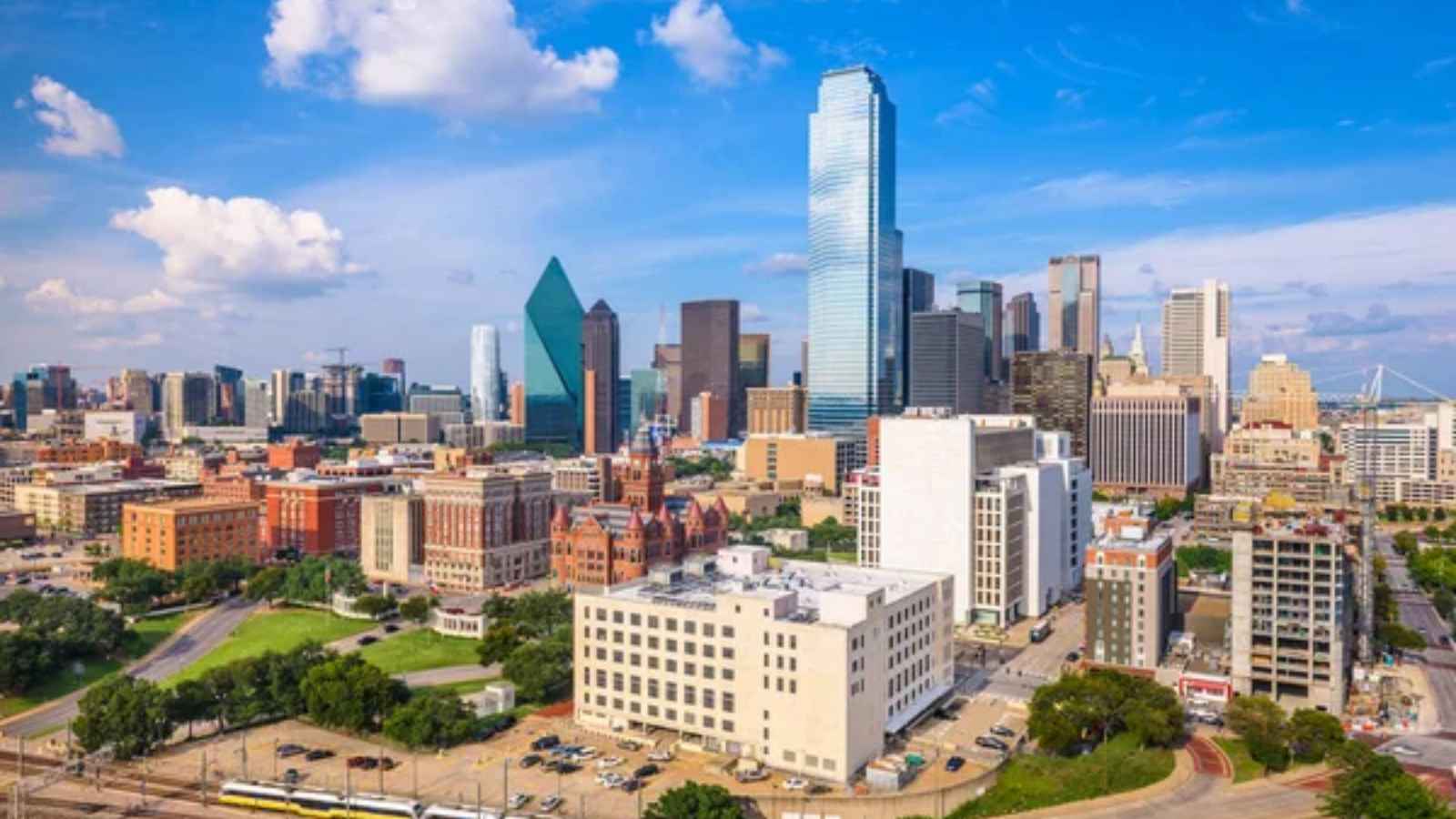
Texas tops the nation in book bans, with many titles challenged for containing LGBTQ+ themes, racial discussions, or controversial historical perspectives. Over 800 books faced restrictions between July 1, 2021, and June 30, 2022.
One striking example is Gender Queer: A Memoir by Maia Kobabe. Districts like Granbury have made headlines after voting to remove works like The Perks of Being a Wallflower and The Hate U Give, much to the dismay of educators and students alike.
Florida

According to a report by the American Library Association, Florida ranks among the top three states for book bans, with over 100 titles frequently targeted in the past year alone. The primary reasons for these bans often center on explicit content and perceived indoctrination, with notable titles like “The Bluest Eye” by Toni Morrison and “George” by Alex Gino facing removal from school libraries.
The state’s legislative moves, including the controversial “Parental Rights in Education” bill, have further encouraged calls for censorship, suggesting that books addressing sexual orientation and gender identity should be restricted.
Pennsylvania

Six hundred forty-four books were banned between July 2021 and June 2023. Titles often targeted include classics and contemporary works that address themes of racism, police violence, and immigrant experiences.
Books like “All-American Boys” by Jason Reynolds and Brendan Kiely have been targeted due to their candid exploration of police brutality and racism.
Tennessee

According to a report by the American Library Association, Tennessee ranked fifth in the nation for book bans in the last year, with over 50 reported challenges. A significant driver behind these bans has been the push for parental control over educational content.
Books that challenge traditional viewpoints or contain mature themes are frequently banned in Tennessee. Toni Morrison’s “Beloved” and Laurie Halse Anderson’s “Speak” are among the titles removed from shelves. In 2022, Bill Lee’s Age-Appropriate Materials Act was passed, allowing for the inspection of school library materials.
South Carolina

South Carolina ranked in the top five states for book bans in 2022, with a 90% increase in challenges against books in schools and libraries. Communities have raised alarms over titles that explore themes of diversity and social justice, leading to demands for their removal from school curricula.
Nancy Warner challenged 155 books in Dorchester District 2, claiming they did not comply with South Carolina’s obscenity laws or the district’s policy on the subject. Titles like “Beyond Magenta” by Susan Kuklin and “The Perks of Being a Wallflower” by Stephen Chbosky have been challenged.
Georgia
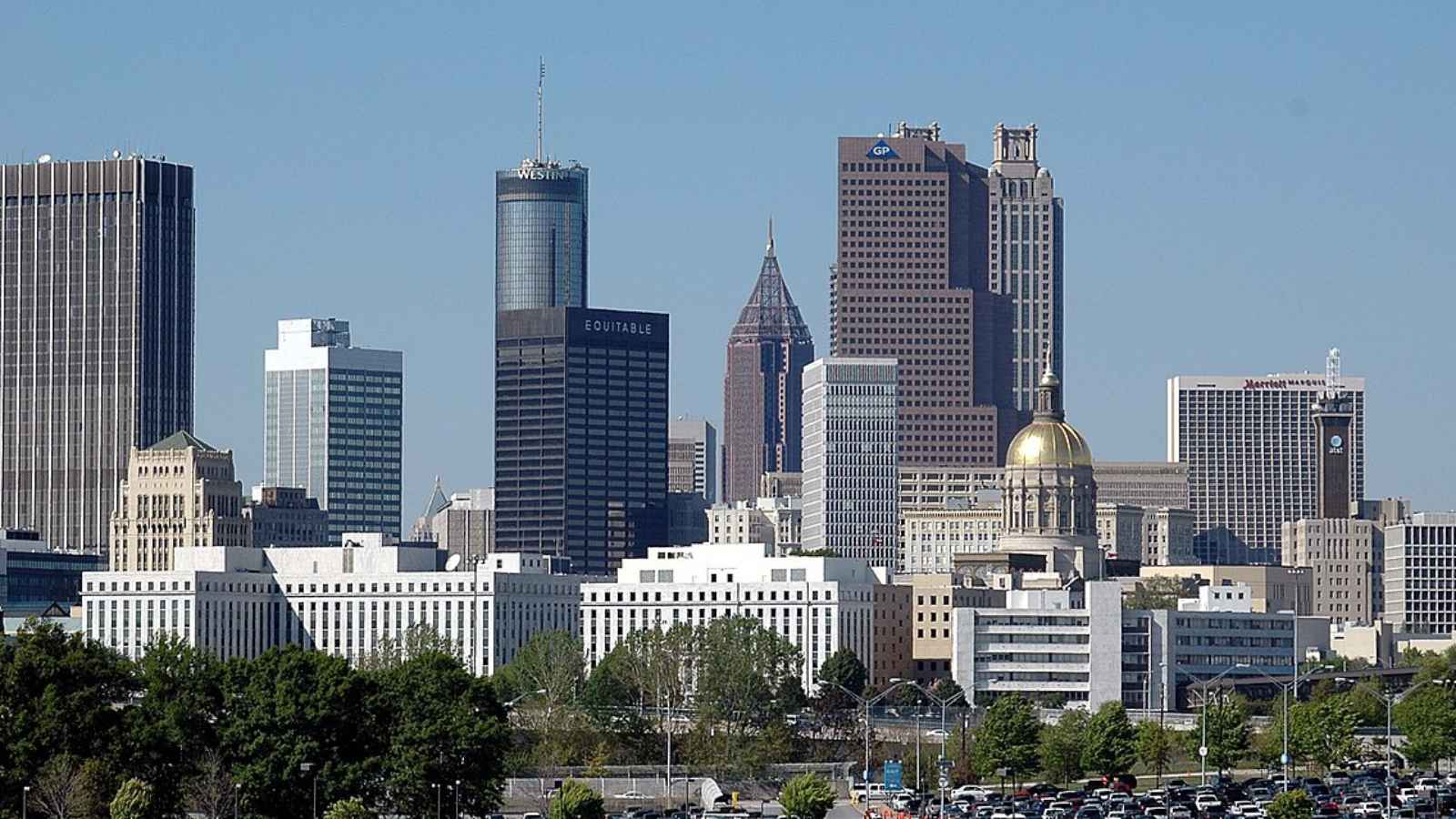
Georgia’s book-banning efforts often target literature that addresses race, gender, and historical injustices. The Georgia Department of Education reported a stark increase in objections to educational materials, driven mainly by concerns from parents and community members about the content’s appropriateness.
A notable example includes the removal of The Hate U Give by Angie Thomas, an exploration of racial injustice. “The Absolutely True Diary of a Part-Time Indian” by Sherman Alexie and “Stamped” by Ibram X. Kendi and Jason Reynolds have also faced scrutiny.
Virginia
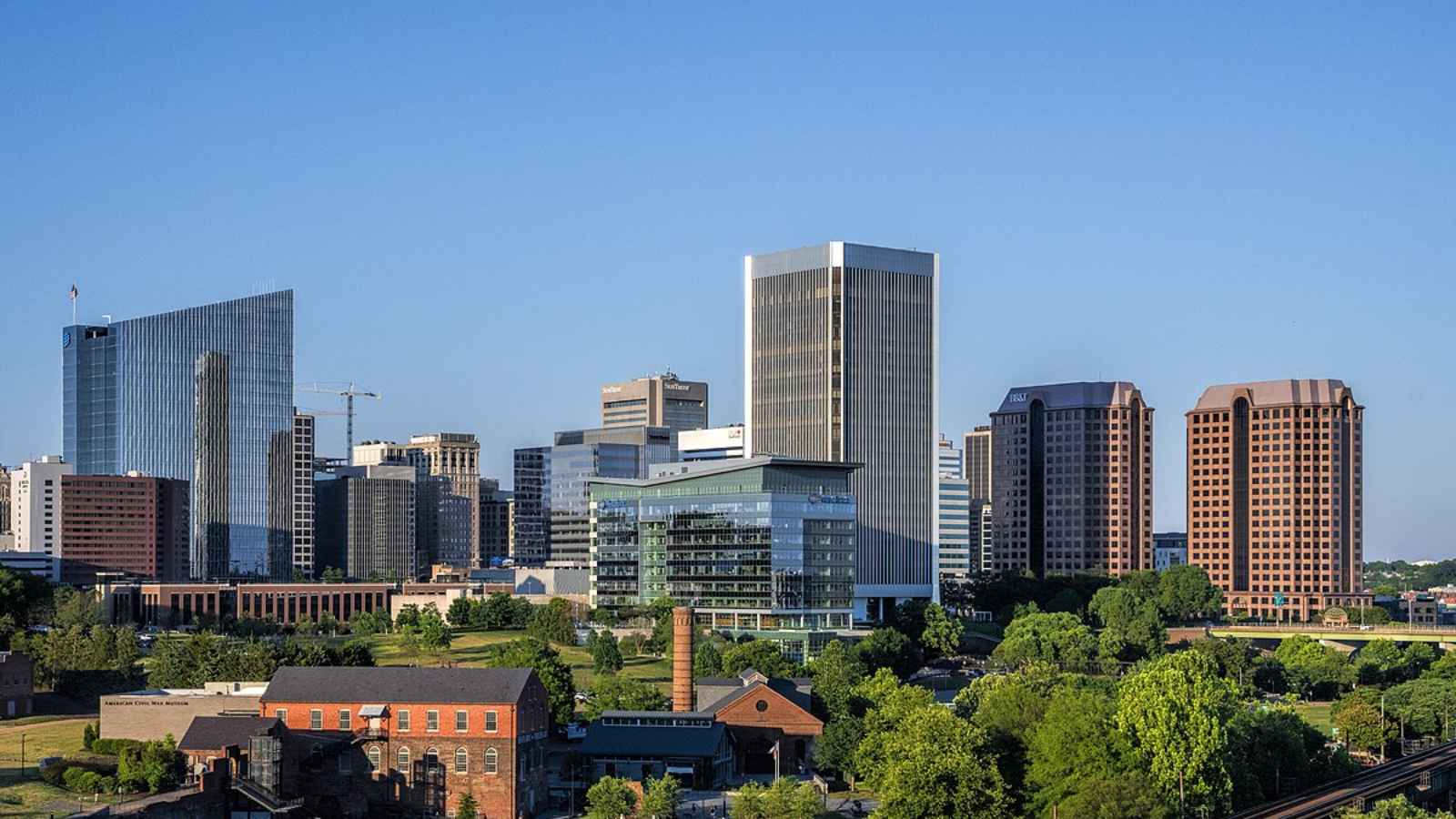
In Virginia, many banned books discuss social justice, discrimination, and inequality. Titles like “Fun Home” by Alison Bechdel and “The Kite Runner” by Khaled Hosseini have been challenged for their content.
“A Court of Mist and Fury” was the most challenged book title in 2022 and 2023. According to the American Library Association, the state recorded 387 challenged titles, ranking fifth in the country.
North Carolina

PEN America reports that there have been 58 book bans in North Carolina over the past year, while the American Library Association’s Office for Intellectual Freedom found that between January 1 and August 31, 2023, there were at least 18 attempts to restrict access to books, totaling about 114 books.
The most banned/challenged book was John Green’s 2005 young adult novel “Looking for Alaska” (the fifth most challenged book nationwide), with complaints that it depicts drug and alcohol use. Alice Walker’s “The Color Purple” is also targeted.
Ohio

Forty complaints were filed in Ohio in 2023, challenging 235 books (a 92% since 2022). The reasons for these bans often stem from concerns about age appropriateness, explicit content, or differing political ideologies. “The Handmaid’s Tale” by Margaret Atwood and “Drama” by Raina Telgemeier have faced challenges.
Missouri

A PEN America report notes 333 book bans in Missouri during the 2022-23 academic year. This dramatic rise is fueled by various factors, including parental concerns about content appropriateness and political pushes to “protect” children from what some deem inappropriate themes or ideas.
Missouri is also leading the nation with 30 “education intimidation bills.” “Lawn Boy” by Jonathan Evison and “This One Summer” by Mariko Tamaki have been removed from school libraries.
Alabama

In 2023 alone, the state saw substantial efforts to remove books from classrooms, with reports indicating nearly 100 titles removed due to concerns ranging from explicit content to perceived political bias.
“Gender Queer: A Memoir,” by Maia Kobabe, was challenged in two Alabama libraries in 2023.
Oklahoma
Between July 1, 2021, and March 31, 2022, two Oklahoma school districts banned 43 books (including eight by Black authors) from their libraries. Some titles are “The Hate U Give” by Angie Thomas, “For Black Girls Like Me” by Mariama J. Lockington, “Of Mice and Men” by John Steinbeck, and Brave New World.
Oklahoma’s book bans often target literature that discusses racial issues, gender identity, and historical conflicts. Mark Twain’s “The Adventures of Huckleberry Finn” and Howard Zinn’s “A People’s History of the United States” have also been banned.
Kentucky

Boyle County Schools has prohibited over 100 books from its school libraries. According to BCS Superintendent Mark Wade, this action is mandated by Senate Bill 150; however, state education officials contest this interpretation.
Concerns over mature content, race, and LGBTQ+ themes typically drive Book bans. Titles like Gender Queer: A Memoir by Maia Kobabe and “Go Tell It on the Mountain” by James Baldwin have been challenged.
Utah

On August 2, the Utah State Board of Education released a list detailing that thirteen books have been banned from all public schools in Utah.
“A Court of Thorns and Roses” series by Sarah J. Maas and “What Girls are Made of” by Elana K. Arnold made the list.
South Carolina
From Fall 2021 to Spring 2023, the Palmetto State experienced 128 book bans. A significant factor behind these restrictions is the push from certain parent groups advocating for the removal of books they deem inappropriate or controversial, often focusing on themes of race, gender, and sexuality.
The South Carolina Board of Education passed the Reg. 43-170 policy on June 25 to regulate and restrict content in school and classroom libraries. “Jesse Andrews’ The Haters” and “Jodi Picoult’s Nineteen Minutes” were banned.