A garden can make your home more colorful and enjoyable, but not every plant is safe if you have cats. Many common flowers and shrubs contain toxins that can make cats seriously ill after chewing on the leaves, flowers, bulbs, or seeds. Some cause nothing more than an upset stomach, while others can damage the heart, liver, or nervous system and require immediate veterinary care.
If your cat spends time outdoors or likes to nibble on plants, it’s worth knowing which varieties pose the biggest risk. Here are 12 common garden plants that are toxic to cats.
Lily of the Valley
Lily of the Valley may look delicate, but it’s one of the more dangerous plants for cats. Every part of the plant contains cardiac glycosides, which can affect the heart. A cat that eats any part of it may develop vomiting, diarrhea, an irregular heartbeat, weakness, or more serious complications.
Related: 10 Humane Hacks to Keep Stray Cats Away Naturally
Sago Palm
Sago palms are popular landscaping plants, but they’re extremely poisonous to pets. The seeds contain the highest concentration of toxins, though every part of the plant is dangerous. Even a small amount can cause severe liver damage, vomiting, diarrhea, seizures, and may be fatal if treatment isn’t started quickly.
Azaleas and Rhododendrons
These flowering shrubs brighten many yards each spring, but they’re unsafe for cats. The leaves, flowers, and stems all contain grayanotoxins. Eating them can lead to excessive drooling, vomiting, diarrhea, weakness, low blood pressure, and heart rhythm problems.
Aloe Vera
Many people keep aloe vera for its soothing gel, but it isn’t a good choice for homes with curious cats. If eaten, it can cause vomiting, diarrhea, loss of appetite, and tiredness. The outer layer of the leaf contains compounds that are especially irritating to a cat’s digestive system.
Related: 14 Easy-Care Plants That Keep Growing With Little Attention
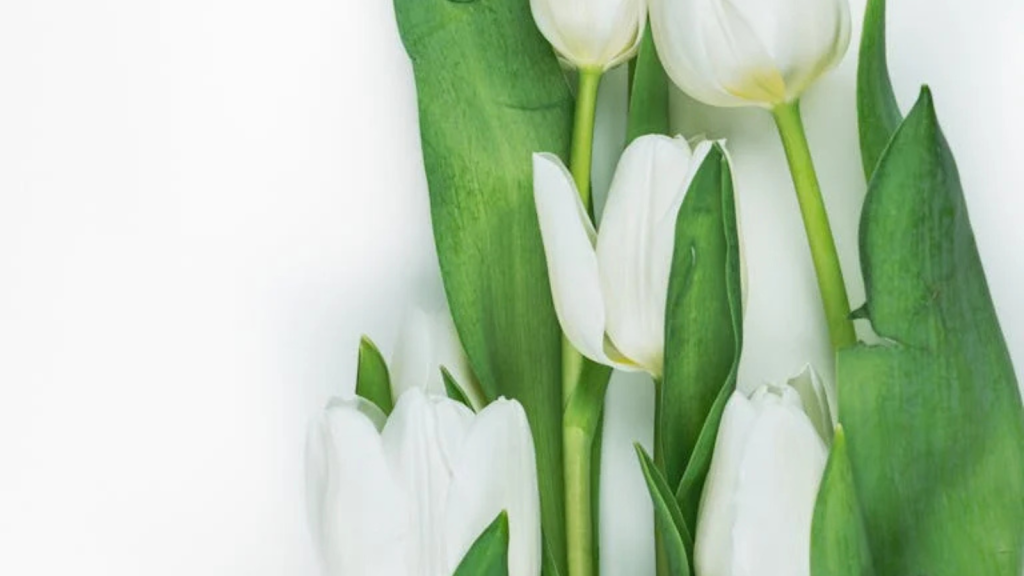
Tulips
Tulips are a favorite spring flower, but their bulbs contain the highest amount of toxic compounds. Cats that chew on the bulbs or other parts of the plant may drool excessively, vomit, develop diarrhea, or have trouble breathing in more severe cases.
Yew
Yew shrubs are often planted as hedges because they stay green year-round. Unfortunately, they’re highly poisonous to both people and animals. The plant contains taxine, which can affect the heart. Signs of poisoning include vomiting, difficulty breathing, weakness, and heart problems.
English Ivy
English ivy is often grown along fences, walls, and garden beds. While attractive, it contains compounds that can irritate a cat’s mouth, stomach, and skin. Cats that chew on the leaves may drool, vomit, or develop diarrhea.
Related: 10 Beautiful Plants That Also Keep Garden Pests Away
Daffodils
Daffodils are another spring favorite that can be harmful to cats. The bulbs contain the highest amount of lycorine, a toxic alkaloid that can trigger vomiting, diarrhea, stomach pain, and, in severe cases, heart rhythm problems. The sap may also irritate the skin.
Oleander
Oleander is a popular ornamental shrub in warm climates, but every part of the plant is poisonous. Cats that ingest the leaves, flowers, stems, or sap can develop vomiting, diarrhea, abnormal heart rhythms, weakness, and other serious symptoms that require immediate veterinary attention.
Chrysanthemums
Chrysanthemums, often called mums, are common fall flowers found in gardens and seasonal displays. They contain pyrethrins and other natural compounds that are toxic to cats. Symptoms may include drooling, vomiting, diarrhea, poor coordination, and, in more serious cases, breathing difficulties.
Related: 12 Deer-Resistant Plants That Help Protect Your Garden
Hostas
Hostas are prized for their large, leafy foliage and ability to grow in shady gardens. While they’re easy to care for, they contain saponins that can upset a cat’s digestive system. Eating the leaves may lead to vomiting, diarrhea, and stomach discomfort.
Castor Bean
Castor bean plants have striking tropical-looking leaves, but they’re among the most poisonous plants you can grow. The seeds contain ricin, an extremely toxic substance. If a cat chews on the seeds, it can develop severe vomiting, bloody diarrhea, dehydration, seizures, and life-threatening complications.