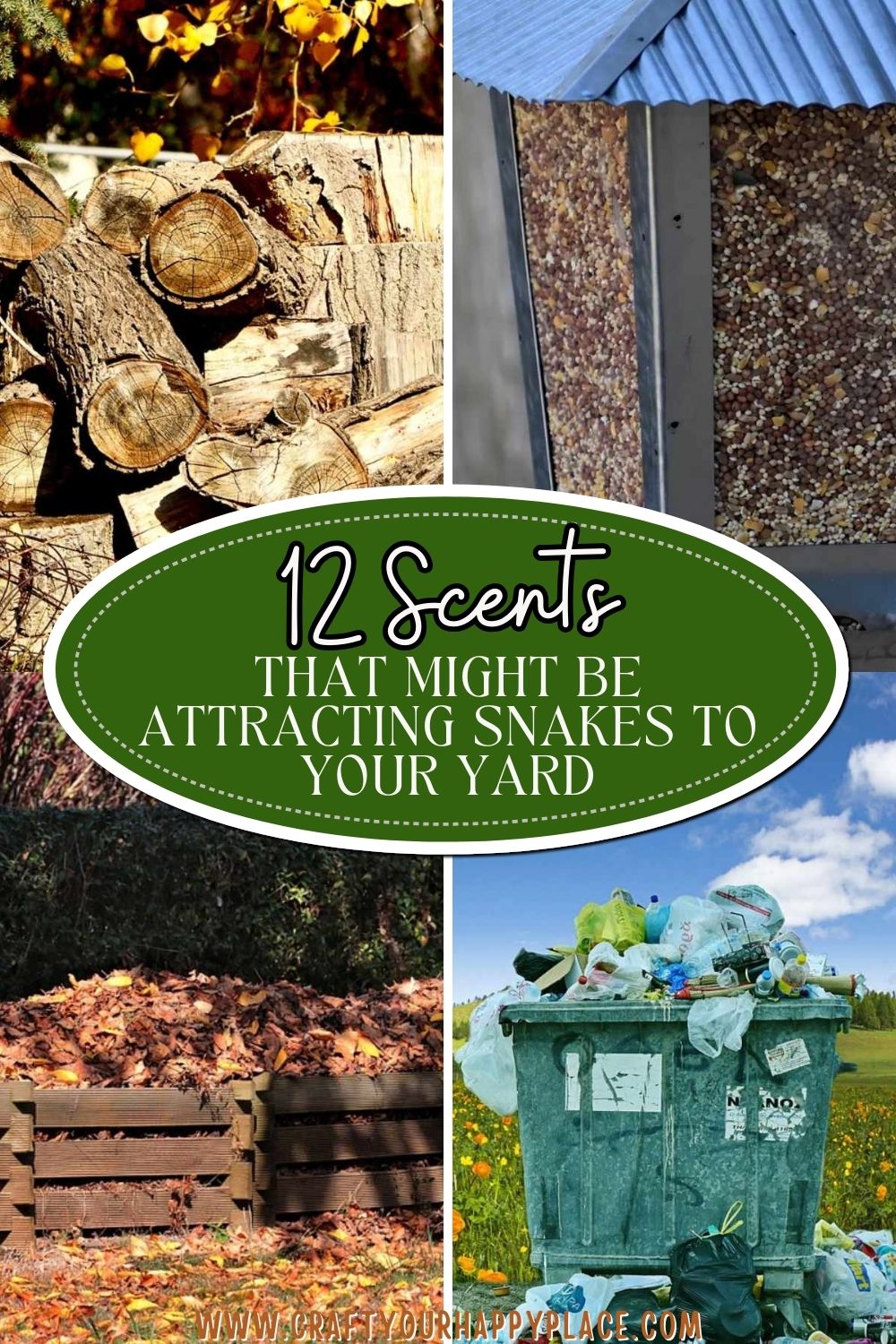
Have you ever wondered why your well-manicured lawn often turns into a slithery snake hotel? Your yard smells like heaven to you, but it might also be a snake’s paradise in disguise. The Journal of Herpetology explains that snakes possess an adaptation called Jacobson’s (or vomeronasal) organ, found on the roof of the mouth. A snake’s tongue flicks up scent particles from the air or ground.
These particles are then brought back into the mouth so this organ can analyze the chemical information to help the snake find its prey, a mate, or know its environment. Understanding what attracts them and the smells and environments those slithery visitors prefer can help you make your yard less tempting to them. Here are 12 sneaky scents that may attract snakes to your yard.
Rodents

Snakes feast on mice, rats, and other small mammals, so their rodent scents are a siren call. Unfortunately, if you have rodents taking over your yard, there most likely are snakes to consume them. Sealing up potential entry points in your home will reduce the attraction.
Natural repellents such as peppermint oil can repel rodents, according to a study in The Thai Journal of Veterinary Medicine. Menthol, in peppermint, has a very strong smell that rodents cannot tolerate.
Freshly Cut Grass

Nothing smells more like summer than freshly trimmed grass. Unfortunately, that lovely smell also acts as a dinner bell for snakes. The smell alone signals that a habitat has been disturbed, meaning there might be an abundance of insects and small prey for our scaly friends.
Try keeping your lawn neat; regular mowing can even prevent a buildup of thick undergrowth where snakes might try to hide.
Compost Piles

Unfortunately, gardeners and snakes both have a gold mine when it comes to compost piles. Snakes looking for warmth are attracted to the scent of decomposing organic matter and the teeny creatures that love such places, like earthworms, beetles, and snails.
Turn your compost frequently and cover it with a lid or mesh to keep it from becoming an accommodation for snakes.
Standing Water

Like us, snakes need to drink occasionally. Bird baths and plant pots with standing water can woo thirsty odd snakes, especially in dry spells. Other prey, such as fish and frogs, also live in water.
To help beat this, change the bird bath water regularly and remove any standing water you don’t need in your yard.
Mulch

Mulch is excellent for your garden beds, but also makes for lovely little hiding spots for snakes to lie in and hunt from. The earthy smell of this mulch tends to attract insects and rodents, thus attracting snakes.
The trick to remedy this is to layer the mulch thinner and then go for gravel or pine straw mulch, which is less appealing to snakes.
Bird Feeders
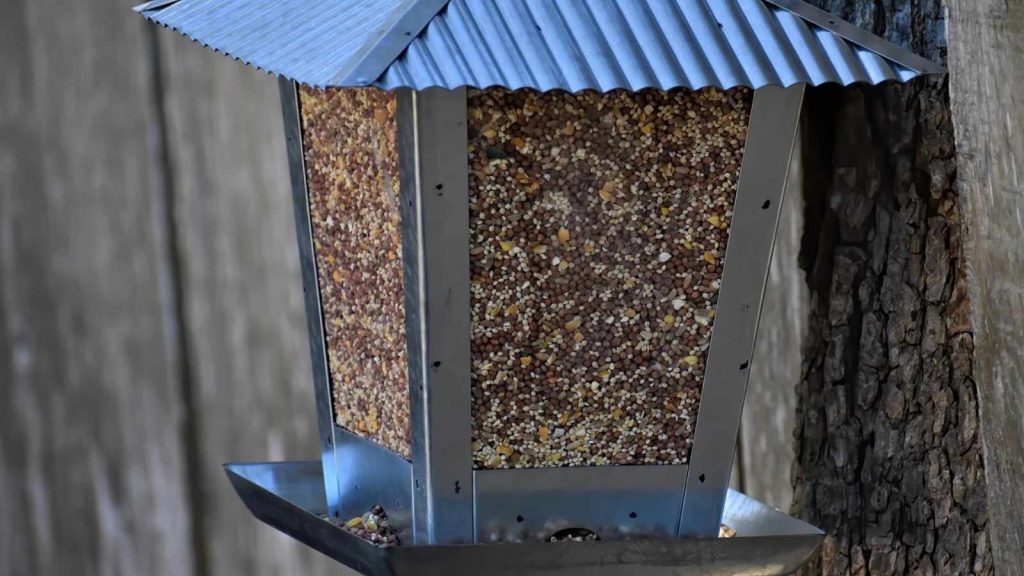
Bird feeders are a two-edged sword. Beautiful birds will come to them, but they will also bring rodents, which are easy meals for snakes. According to herpetologists, some snakes, like arboreal ones, hunt birds and their eggs.
Place your bird feeders away from the house and use feeders with seed-catching trays to reduce spillage and thus reduce rodent activity.
Pet Food

The surefire way to invite snakes is to leave pet food outside. Rodents are attracted to the smell of kibble, which attracts snakes to your yard, where they look for an easy meal.
Leave pet food indoors and seal any outdoor pet feeding area to discourage this habit.
Plant Overgrowth

For a gardener, thick vegetation is a dream come true, but it’s a paradise for a snake. The tall grass and heavy shrubs are the perfect cover for hunting.
Pruning and trimming plants regularly can make your yard less attractive to snakes.
Woodpiles
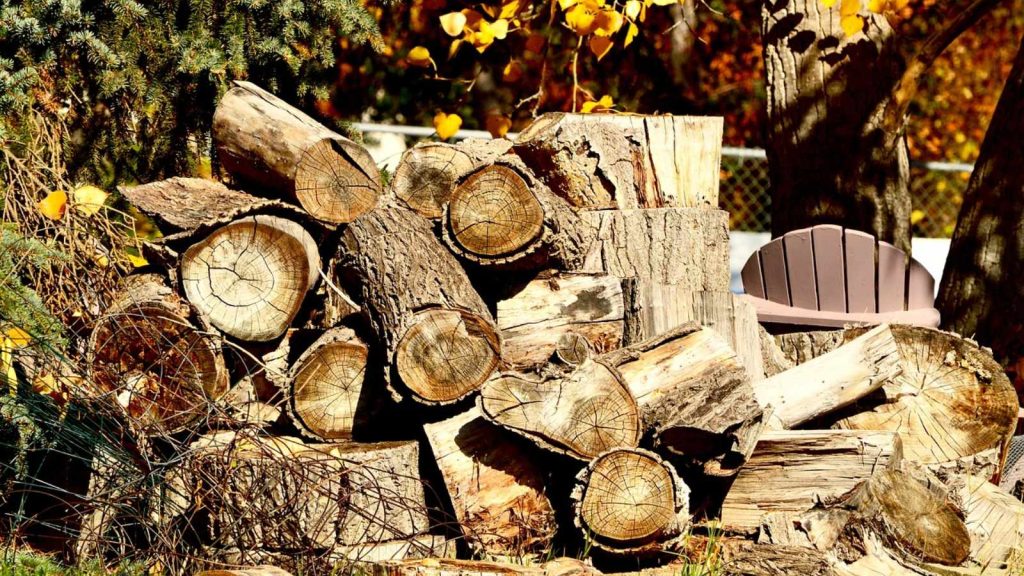
A snake’s favorite B&B is a woodpile. It gives them warmth and cover, and the woodpile may also lure insects and rodents.
Store your woodpiles a few inches off the ground and away from your home to avoid snakes.
Trash

Of course, food scraps and waste make up most trash, and they’re a buffet for rodents such as mice and rats. The presence of snakes in these areas is due to the rodents that they feed on. The warmth generated by decomposing materials in the trash makes it a perfect place for snakes to camp.
Keep your yard clean and store trash in secure trash bins with tight-fitting lids to prevent snakes from using them as magnets for food.
Flowering Plants

Jasmine, morning glory, and rosemary are flowering plants that make your garden beautiful. However, they give off strong scents to attract insects, which attract rodents and birds, the preferred fare of snakes.
To resist this attraction, keep flowering plants in well-maintained areas and try planting plants snakes don’t like, such as marigolds or mother-in-law’s tongue.
Fertilizers
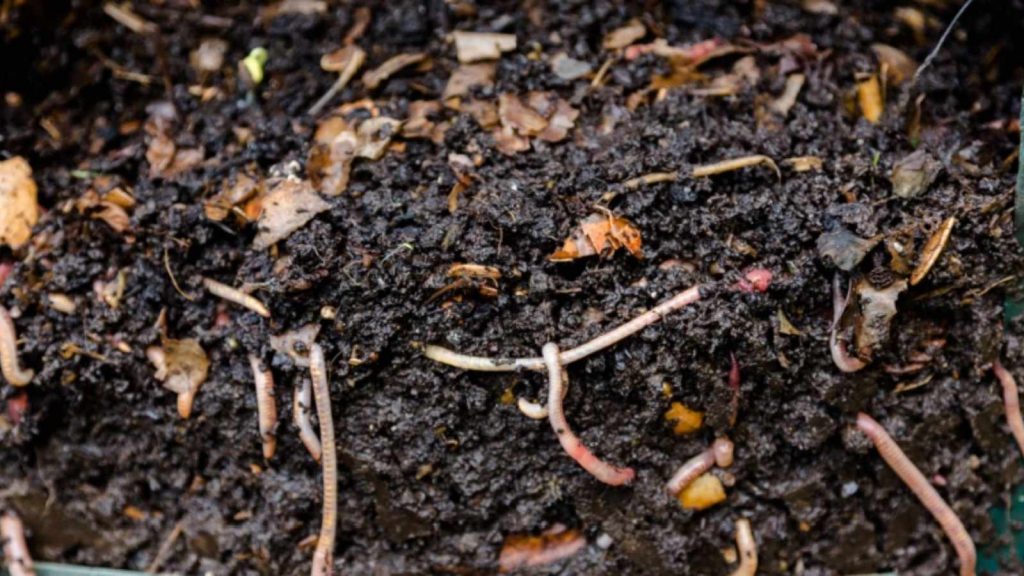
Organic fertilizers are made of bone meal or blood meal, which might smell like a five-star restaurant to snakes. The decaying organic matter in fertilizers can produce odors that attract rodents and birds, which in turn attract all sorts of uninvited guests.
Opt for synthetic or less animal by-product fertilizers to keep snakes away.