Life has a way of changing in an instant. A normal afternoon can turn into a power outage, a house fire, a car accident, or another situation where having the right tool nearby really matters.
Most people already have the basics covered. Smoke alarms, fire extinguishers, and first aid kits tend to get the most attention. But there are plenty of smaller safety items that often get overlooked until the moment they’re needed.
Keeping a few of these tools in an easy-to-reach spot can make dealing with an emergency a little less stressful. Here are 10 useful safety items worth keeping at home, in your vehicle, or in an emergency kit.
Fire Escape Ladder
A fire escape ladder can give you another way out if a fire blocks the stairs or prevents you from reaching the main exit.
These compact ladders are made to attach to a windowsill and provide a way to climb down from an upper floor. This can be especially useful in two- or three-story homes where windows may be the only practical escape route.
The National Fire Protection Association (NFPA) notes that people may have only a few minutes to escape a house fire once the alarm sounds. If you keep a ladder for emergencies, make sure everyone in the household knows where it is and how it works. Practicing the escape plan ahead of time can also help prevent confusion during a real fire.
Related: 12 Cars That Set the Standard for Safety
Whistle
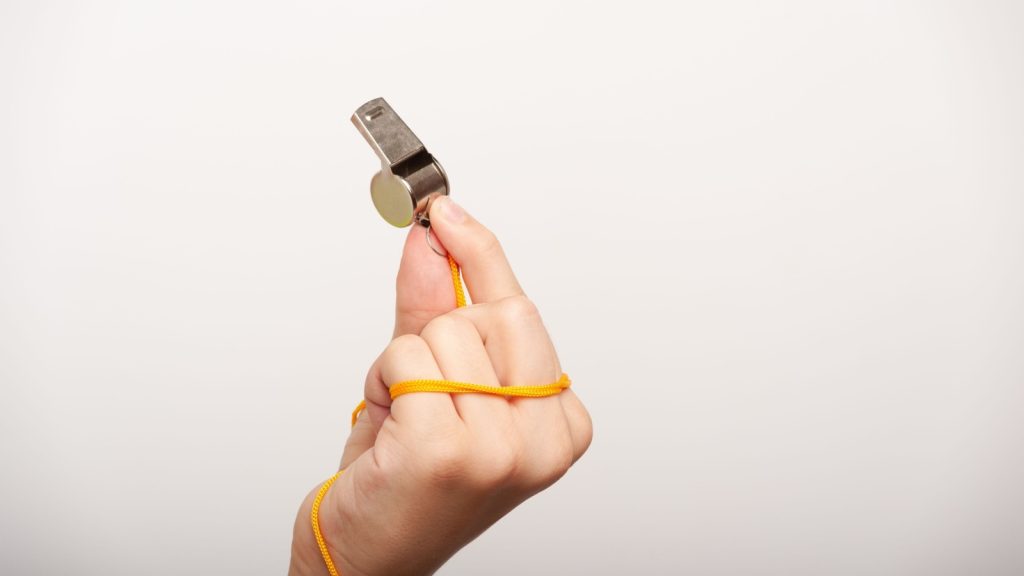
A whistle takes up almost no space, costs very little, and can be surprisingly useful during an emergency.
If you’re trapped somewhere, injured, or lost outdoors, shouting for help can quickly leave you exhausted. A whistle can produce a much louder and more consistent sound, making it easier for someone nearby to locate you.
Keep one in an emergency kit, backpack, vehicle, or bedside drawer. It’s a small item that’s easy to overlook until you really need a way to attract attention.
Multi-Tool
A good multi-tool is basically a small toolbox that fits in your hand. Depending on the model, it may include pliers, screwdrivers, scissors, a knife, wire cutters, and other useful tools.
Around the house, it can handle quick repairs when you don’t want to search for a full toolbox. It can also come in handy during camping trips, power outages, roadside problems, or other situations where access to regular tools is limited.
A multi-tool won’t replace a complete toolbox, but having one nearby can save time when you need to make a quick fix.
Related: 10 Home Safety Items Everyone Should Keep on Hand
Personal Water Filter
Clean drinking water can become difficult to access after a natural disaster, plumbing problem, or other emergency.
Personal water filters, including products such as LifeStraw, can filter water from certain untreated sources by removing contaminants such as bacteria and parasites. Different filters have different capabilities, so check the manufacturer’s specifications before relying on one during an emergency.
The CDC provides information about waterborne diseases in the United States, showing why access to safe drinking water matters during emergencies.
A personal filter is lightweight and easy to store in an emergency bag, but it should be viewed as a backup rather than a replacement for a supply of safe drinking water.
Battery-Free Flashlight
Few things are more annoying during a blackout than reaching for a flashlight and discovering that its batteries are dead.
Hand-crank and solar-powered flashlights solve part of that problem. A hand-crank model generates power as you turn the handle, while solar models can recharge from sunlight.
Keep one somewhere that’s easy to reach during a power outage, such as a bedside table or emergency supply cabinet. They’re also useful during storms, camping trips, roadside breakdowns, and other situations where regular lighting isn’t available.
Window Breaker and Seatbelt Cutter
A window breaker and seatbelt cutter belongs in the emergency kit of anyone who spends a lot of time in a vehicle.
After a serious crash, a seatbelt can sometimes become difficult to release, while damaged doors may prevent an easy exit. A dedicated cutter can slice through a seatbelt, and a window-breaking tool can help break a vehicle window in an emergency.
Keep the tool somewhere you can reach while seated in the vehicle. Storing it in the trunk won’t help much if you can’t reach the trunk after a crash.
It’s also worth learning how the particular tool works before an emergency happens.
Related: 10 Hidden Garage Hazards That Could Cause Serious Problems
Fire Blanket
Fire extinguishers get plenty of attention, but fire blankets can be useful for small, contained fires too.
A fire blanket is made from fire-resistant material and can be placed over a small flame to cut off its oxygen supply. They’re commonly kept in kitchens, where grease and cooking fires can happen.
A blanket can also be useful if clothing catches fire. It should never be used to cover a person in a way that restricts breathing, and larger fires should be handled by getting everyone out and calling emergency services.
Keep the blanket somewhere easy to reach rather than inside a cabinet that may be difficult to access during a kitchen fire.
Portable Carbon Monoxide Detector
Carbon monoxide is odorless and colorless, which makes it particularly dangerous. A portable carbon monoxide detector can provide an extra layer of protection when you’re staying somewhere other than home.
The CDC reports that more than 400 people in the United States die each year from unintentional carbon monoxide poisoning.
Portable detectors can be useful for hotels, vacation rentals, cabins, RVs, and other temporary accommodations. They shouldn’t replace properly installed carbon monoxide alarms at home, but taking one along when traveling can give you another way to monitor the air around you.
Related: 13 Household Items That Are Better Off Out of Your House
Signal Mirror
A signal mirror may look old-fashioned, but it can be useful if you’re stranded outdoors and need to attract attention.
Sunlight reflected from a mirror can be visible from a considerable distance under the right conditions. Unlike an electronic device, a signal mirror doesn’t need batteries, a cellular connection, or a power source.
Keep one in a hiking pack, emergency bag, or outdoor survival kit. Learning how to aim the reflection before heading into the wilderness is a good idea, since using one effectively takes a little practice.
Pocket Radio
Smartphones are useful during emergencies, but they aren’t much help if the battery dies or cellular networks and internet service become unavailable.
A battery-powered or hand-crank emergency radio can provide access to weather alerts, emergency announcements, and other important information during severe storms, hurricanes, extended outages, and other disasters.
FEMA recommends including a battery-powered or hand-crank radio in an emergency supply kit. Some models also include solar charging, USB charging, flashlights, and other features.
Store spare batteries with a conventional radio, or periodically check a rechargeable model so you know it still works. A radio sitting forgotten in a closet isn’t much help if you discover during an outage that the battery no longer holds a charge.