
The garage is easy to overlook when you’re thinking about home safety. It’s often treated as a catch-all space for tools, cleaning supplies, car equipment, holiday decorations, and things you haven’t figured out where else to put.
That mix can create problems.
A crowded garage can have everything from flammable liquids and exposed wiring to slippery floors and unstable storage. Some hazards are obvious once you see them, while others can sit there for months without getting much attention.
A quick check of the garage can help you spot problems before they turn into injuries, property damage, or something much worse.
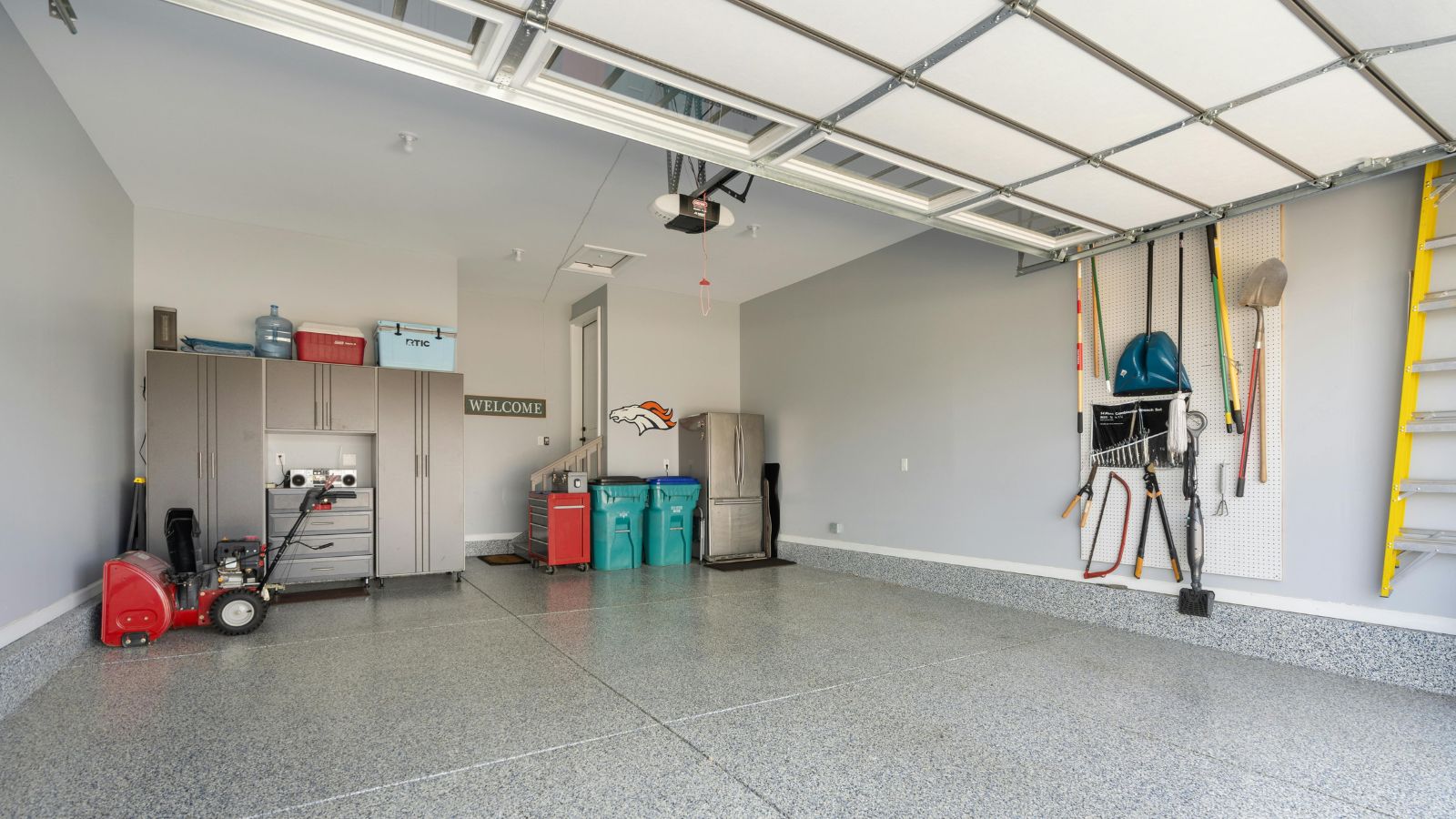
Chemical Storage
Garages are a common place to keep gasoline, pesticides, cleaning products, paint, automotive fluids, and other household chemicals. The problem is that many of these products can be toxic, flammable, or harmful if they leak or are stored incorrectly.
Keep chemicals in their original containers with the labels intact, and follow the storage directions on the packaging. Flammable products should be kept away from heat sources, sparks, and open flames. It’s also a good idea to keep chemicals where children and pets can’t reach them.
Never mix household chemicals together. Some combinations can release dangerous fumes.
Related: Revamp Your Garage: 20 Effortless DIY Garage Organization Tips
Trip Hazards
Garages tend to collect cords, hand tools, boxes, sports equipment, and other items that end up on the floor. It doesn’t take much clutter to turn a walking path into a tripping hazard.
Keep frequently used walkways clear and give tools and equipment a regular storage spot. Wall hooks, shelving, pegboards, and storage cabinets can get things off the floor and make it easier to move around.
Pay close attention to extension cords. If a cord has to cross a walkway, find a safer way to route it rather than leaving it where someone can catch a foot on it.
Carbon Monoxide Poisoning
Carbon monoxide is an invisible, odorless gas produced when fuel-burning equipment operates. A running vehicle inside an attached garage can produce dangerous levels of CO, and the gas can make its way into the house.
Never run a car or other fuel-burning engine inside an enclosed garage, even with the garage door open.
Carbon monoxide detectors should be installed in appropriate areas of the home, especially near sleeping areas. Test them regularly and replace batteries when needed.
If you suspect carbon monoxide is present, leave the area and seek emergency assistance rather than trying to locate the source yourself.
Related: 15 Genius Hacks to Keep Your Garage Warm All Winter Long!
Fire Hazards
Garages often contain several things that can feed a fire: gasoline, paint, solvents, propane, cardboard, sawdust, and other combustible materials. A spark from a tool or an electrical problem can turn a small mistake into a serious fire.
Keep flammable liquids away from ignition sources and store them according to the manufacturer’s instructions. Don’t pile cardboard boxes or other combustible materials around electrical equipment, heaters, or appliances.
Having a properly rated fire extinguisher within easy reach can also be helpful. Check the expiration or service information regularly so you know it’s ready if you ever need it.
Electrical Dangers
Older garages can have outdated wiring, overloaded outlets, damaged cords, or electrical work that was never properly completed. These problems can lead to shocks, short circuits, or fires.
Look for cracked outlet covers, loose connections, scorch marks, buzzing sounds, and frayed cords. Stop using damaged electrical equipment rather than continuing to rely on it.
If you suspect a wiring problem or the electrical system needs an upgrade, have a licensed electrician inspect it. Garage electrical work can involve moisture, high-power equipment, and other hazards that make DIY repairs a poor choice.
Related: 13 Items in Your Garage Sale That Could Be Worth Thousands
Heavy Objects
Garages are often where heavy lawn equipment, bicycles, tools, storage bins, and boxes end up. If these items are stacked poorly, they can fall when someone reaches for something nearby.
Store heavier objects on lower shelves whenever possible. Secure tall shelving to the wall so it can’t tip, and avoid stacking items so high that they could fall onto someone.
Keep heavy equipment away from areas where children play or walk through frequently. A neatly stored garage isn’t just easier to use; it also reduces the chance of something falling unexpectedly.
Structural Problems
A garage can develop structural issues over time, especially if it has been exposed to water, pests, severe weather, or years of wear.
Look for cracks in walls or floors, water damage, rotting wood, sagging areas, damaged roof components, or doors that suddenly become difficult to open and close. These signs don’t always mean the garage is about to collapse, but they shouldn’t be ignored.
If you notice a serious structural problem, have it checked by a qualified professional. Catching a problem early can prevent a much more expensive repair later.
Mold and Moisture
Garages can become damp, particularly when there isn’t much airflow. Water that enters through the roof, walls, foundation, or garage door can leave behind the perfect conditions for mold.
Watch for musty smells, discoloration, condensation, and damp areas on walls or floors. Fix leaks instead of simply covering up the affected area.
Improving airflow, keeping the garage dry, and using a dehumidifier when appropriate can help control moisture. If there is a large amount of mold or recurring water damage, professional help may be needed.
Related: 13 Things You Might Sell at a Garage Sale for Far Less Than They’re Worth
Sharp Tools and Objects
Saws, drills, utility knives, screwdrivers, nails, blades, and other tools can cause serious cuts or puncture wounds if they’re left lying around.
Put tools away after using them and keep sharp equipment out of reach of children. Damaged tools should be repaired or replaced rather than tossed into a drawer where someone could grab them without realizing they’re damaged.
Wear the right protective gear when using power tools, and follow the instructions that come with the equipment.
Insect and Rodent Infestations
Garages provide plenty of hiding places for mice, rats, termites, ants, spiders, and other pests. Cardboard boxes, stored food, standing water, and piles of clutter can make the space even more attractive.
Check along walls, around doors and windows, behind storage areas, and near the roofline for droppings, nests, chewed materials, holes, or insect activity.
Seal gaps and cracks where pests can get inside, keep food in sealed containers, and avoid letting clutter pile up. If you find a serious infestation or signs of structural damage from pests, a licensed pest-control professional can determine what needs to be done.
Give Your Garage a Safety Check
Your garage doesn’t have to look perfect to be safe. A little organization and a quick inspection can go a long way.
Clear the walkways, check electrical cords, inspect shelves, look for leaks, store chemicals correctly, and make sure anything flammable is kept away from heat and sparks. Small problems are much easier to deal with before they become an emergency.
The garage may be where you park the car and store all the things that don’t fit inside the house, but it still deserves the same attention you give the rest of your home.