
Rats can be a serious nuisance once they find a reliable source of food, water, warmth, or shelter. They can chew through materials, contaminate food, damage wiring, and leave droppings in places you’d rather keep clean. The CDC says rodents can spread more than 35 diseases worldwide, while rodent-related damage in the U.S. costs billions of dollars each year.
“Rats are opportunistic, and once they figure out they’ve got access to warmth, food, or nesting materials, they’re tough to get rid of without intervention,” says Nick Pulsonetti, Director of Business and Pest Expert at Excel Pest Services.
Rats also have an excellent sense of smell, which is why strong odors are often suggested as a way to make certain areas less appealing to them. Scent-based deterrents aren’t a substitute for sealing entry points, removing food sources, or dealing with an established infestation, but they can be one small part of a broader pest-control plan.
Here are 17 smells commonly used to discourage rats.
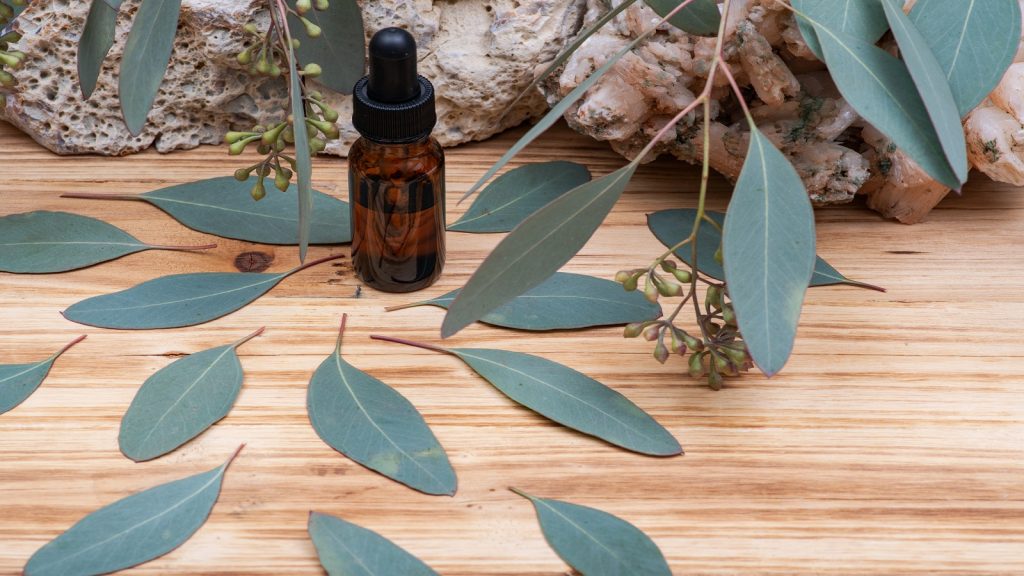
Eucalyptus Oil
Eucalyptus oil has a sharp, minty scent that rats may find unpleasant. Research has looked at eucalyptus and other essential oils for their potential to affect rodent behavior, making the scent worth trying in areas where you’ve noticed activity.
For a simple application, put a few drops of eucalyptus oil on cotton balls and place them near suspected entry points. The scent fades, so the cotton balls need to be replaced regularly.
Keep essential oils away from children and pets, and avoid putting concentrated oil directly on surfaces that could be damaged.
Mothballs
Mothballs have an unmistakable chemical odor, thanks to ingredients such as naphthalene or paradichlorobenzene. That strong smell may seem like a natural rat deterrent, but mothballs aren’t a good choice for dealing with rodents around a home.
They are pesticides intended for specific uses, and using them in open areas can expose people and animals to harmful fumes. Simply putting mothballs around a garage, attic, or yard isn’t a safe replacement for proper rodent control.
If rats are getting inside, sealing their entry points and removing accessible food are much better options.
Related: 10 Backyard Benefits You Didn’t Know Raccoons Could Offer
Pine-Sol
Pine-Sol has a strong cleaner scent that some homeowners use in areas where they’ve noticed rats. Cleaning floors, walls, and other surfaces can also remove food residue and odors that may attract rodents.
Use the product according to its label directions and keep the area well ventilated. Never mix cleaning products together, since certain combinations can create dangerous fumes.
A clean floor alone won’t stop rats if they still have access to food or a hole they can use to get inside.
Clover
Clover isn’t usually the first plant people think of as a rat deterrent, but research has looked at clover-based preparations and their effects on rats.
A study published in the EKB Journal Management System found that fermented clover juice showed stronger repellency in its testing than fresh clover juice. The study reported 92.6% repellency after four days for the fermented preparation, compared with 38.7% for fresh juice.
That doesn’t mean ordinary clover growing in your lawn will keep rats away. The research involved specific preparations, so it’s better viewed as an interesting finding rather than a guaranteed home remedy.
Capsaicin
Capsaicin is the compound responsible for the heat in chili peppers. Rats generally dislike the irritating sensation caused by capsaicin, which is why it appears in some commercial animal repellents.
Cayenne pepper is sometimes sprinkled around areas where rodents have been seen, though rain and outdoor conditions can quickly reduce its usefulness. Commercial capsaicin-based products are another option.
Take care when handling capsaicin. It can irritate skin, eyes, and airways, and pets can also be affected. Gloves are a good idea during application, and keep treated areas away from children and animals.
Related: 15 Things That Attract Rodents to Your Yard
Onions
Fresh onions have a strong odor that may discourage rats from hanging around certain areas. Some people place sliced onions near suspected entry points or areas with rodent activity.
There is a downside: onions spoil quickly, particularly in warm conditions. They also shouldn’t be left where dogs or cats can eat them, since onions can be toxic to pets.
For those reasons, onions are better viewed as a short-term household remedy than a dependable way to control a rat problem.
Garlic
Garlic has a sharp, lingering smell that many people find hard to miss, and rats may also dislike the odor. Some pest-control advice recommends placing crushed or sliced garlic near decks, sheds, garden structures, and other spots where rodents may pass.
Fabulous Associate Editor Rebecca Miller advises using garlic around areas where rats may be active.
You can also make a simple garlic-water spray for outdoor surfaces. The scent won’t last forever, so applications would need to be repeated. Garlic can also attract its own set of issues as it breaks down, so don’t leave large quantities sitting around for long periods.
Cinnamon
Cinnamon has a strong, spicy scent that may make certain areas less appealing to rats. Ground cinnamon, cinnamon sticks, or a small amount of cinnamon oil can be placed near spots where you’ve noticed rodent activity.
Cinnamon isn’t a permanent solution. The smell fades, particularly outdoors, and needs to be refreshed from time to time.
If you’re using cinnamon oil, keep the concentrated oil away from pets and children and avoid applying it directly to sensitive surfaces.
Related: Strange Yard Holes with No Mounds? 12 Causes—and Quick Fixes to Restore Your Lawn
Predator Scents
Rats naturally have reason to be cautious around predators. The smell of predator urine can therefore act as a warning signal in some situations.
Research on predator odors and rodent behavior has examined how these scents affect animals.
Commercial predator-urine products are sold for use around gardens and other outdoor areas. Their scent can fade after rain, so outdoor applications don’t last indefinitely. They can also smell unpleasant to people, so think carefully about where they’re used.
Wintergreen
Wintergreen oil has a strong minty aroma that can overwhelm a small space. Some people use it as a scent-based deterrent by putting a few drops on cotton balls and placing them near suspected rat entry points.
Replace the cotton balls once the scent becomes faint. Essential oils can be irritating and shouldn’t be left where pets or children can reach them.
Wintergreen works best as a supplementary measure rather than your only defense against rodents.
Peppermint Oil
Peppermint oil is one of the more popular essential oils used in homemade rodent deterrents. Its sharp scent can make certain areas less inviting to rats.
“Using peppermint oil is one of the more novel ways you can keep rats at bay this summer,” says Chris Hutton, storage expert and owner of Adams Selfstore.
Put a few drops on cotton balls and place them near gaps, corners, or other areas where you have spotted signs of rats. Since the aroma fades, the cotton balls will need to be refreshed.
If rats continue returning, look for the reason they’re there. A strong smell won’t compensate for an open food container or an easy route into the house.
Bleach
Bleach has a very strong odor, and cleaning with a properly diluted bleach solution can help remove contamination left behind by rodents. That makes it useful for sanitation after rodent activity, though it shouldn’t be viewed as a reliable rat repellent.
Always follow the product label for dilution and ventilation instructions. Never mix bleach with ammonia or other cleaning products. Some combinations can release toxic gases.
If you’re cleaning an area with rodent droppings or urine, take appropriate precautions and avoid stirring up contaminated dust.
Cloves
Cloves have a concentrated, spicy scent that can be unpleasant to rats. Whole cloves can be placed in small containers near areas where rodents have been spotted, while clove oil can provide a stronger aroma.
Some people combine clove and eucalyptus oils for a more intense scent. The smell will eventually fade, so any scent-based method requires regular replacement.
Keep concentrated essential oils away from pets, children, and food-preparation surfaces.
Coffee Grounds
Coffee has a strong aroma that people either love or can’t stand, and rats may also avoid areas with concentrated coffee odors. Used coffee grounds are sometimes scattered near outdoor areas where rodents are active.
Kelsey Todd explains, “Rats, unlike us, aren’t fans of the strong smell of coffee.”
Coffee grounds can break down in outdoor spaces and may be added to compost in suitable amounts. Still, don’t rely on them to solve a serious infestation. Rats can become accustomed to odors, and outdoor scents disappear quickly after rain.
Related: 12 Plants That Will Make Your Yard a Magnet for Snakes
Oranges
Fresh orange peels have a bright citrus scent that may discourage rats from lingering near certain areas. Some pest-control companies recommend citrus peels or citrus oils around potential entry points.
Enviro Safe Pest Control Melbourne notes that orange peels and citrus-scented oils can be used around areas where rats may enter.
Orange oil should be diluted before being used on surfaces, since concentrated oils can damage some finishes. Replace old peels before they begin to rot, particularly in warm or humid conditions.
Vinegar
The sharp smell of white vinegar can be unpleasant to rats and may help mask scent trails in areas where they’ve been active. Wiping surfaces with diluted vinegar or placing small amounts in suitable containers is one common household remedy.
The odor can be strong for people too, so good ventilation helps. Vinegar is most useful as a cleaning aid rather than a standalone rat-control method.
If rats keep returning, focus on finding and closing the openings they’re using.
Household Ammonia
Ammonia has a strong odor that can resemble the smell of animal waste, which may cause rats to avoid treated areas. Some people dilute ammonia and use it around outdoor areas or suspected entry points.
This is one remedy that calls for extra caution. Ammonia fumes can irritate the eyes, skin, and respiratory system. Never mix ammonia with bleach or other cleaning products, since dangerous gases can form.
Keep ammonia away from children and pets, use it only as directed on the label, and provide plenty of ventilation. For indoor rat problems, sealing openings and removing food sources is a much safer long-term solution than filling the house with strong chemical odors.