Pests can cause simple irritations, carry diseases, and damage your home. You may not observe them as they are right in your yard, but your yard continues to host them without your knowledge.
Depending on the availability of food and access to nesting sites, there are several reasons that make your backyard attractive to rodents. The enumerations below are some of the attractants that you need to address using correct measures that can help prevent these pests from invading your space.
Available Food Sources

Rodents are omnivores, so any food in your yard that these creatures can easily access will lure them. Things such as pet food left outdoors, birdseed on the ground, or fruit that has dropped and is rotting on the ground. They can be easily attracted by food crumbs from barbecue events held outside the house, and keeping all these food sources away would go a long way in preventing the pests.
Open Trash Cans
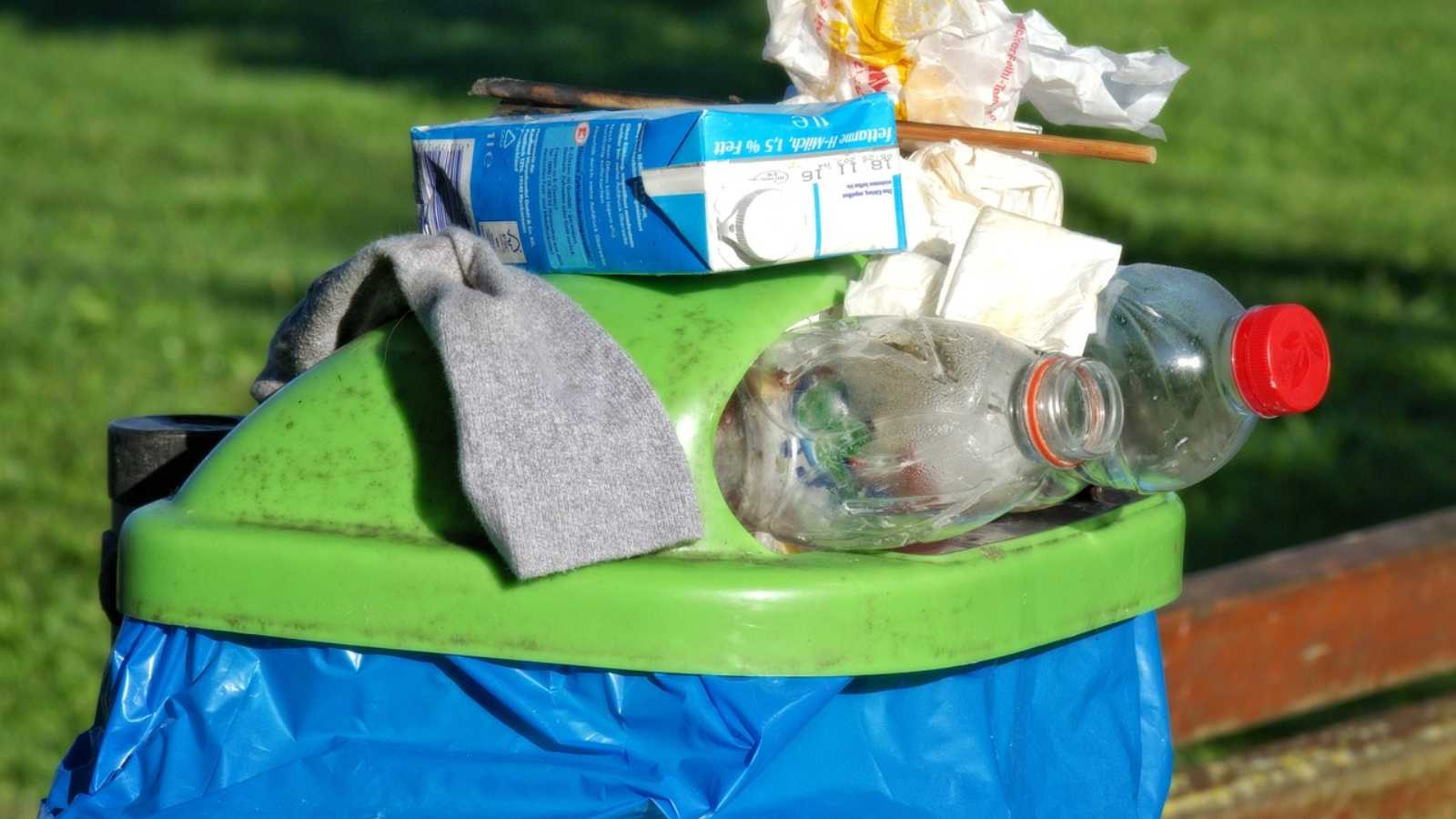
Rodents can be found searching for food particles in the bin, so open or partially closed trash cans are easy targets. They can chew through plastic bags and containers, which means your trash is a free meal. Bins should be conveniently sealed and, if possible, raised off the ground. The addition of a rodent-proof lid can work wonders.
Standing Water
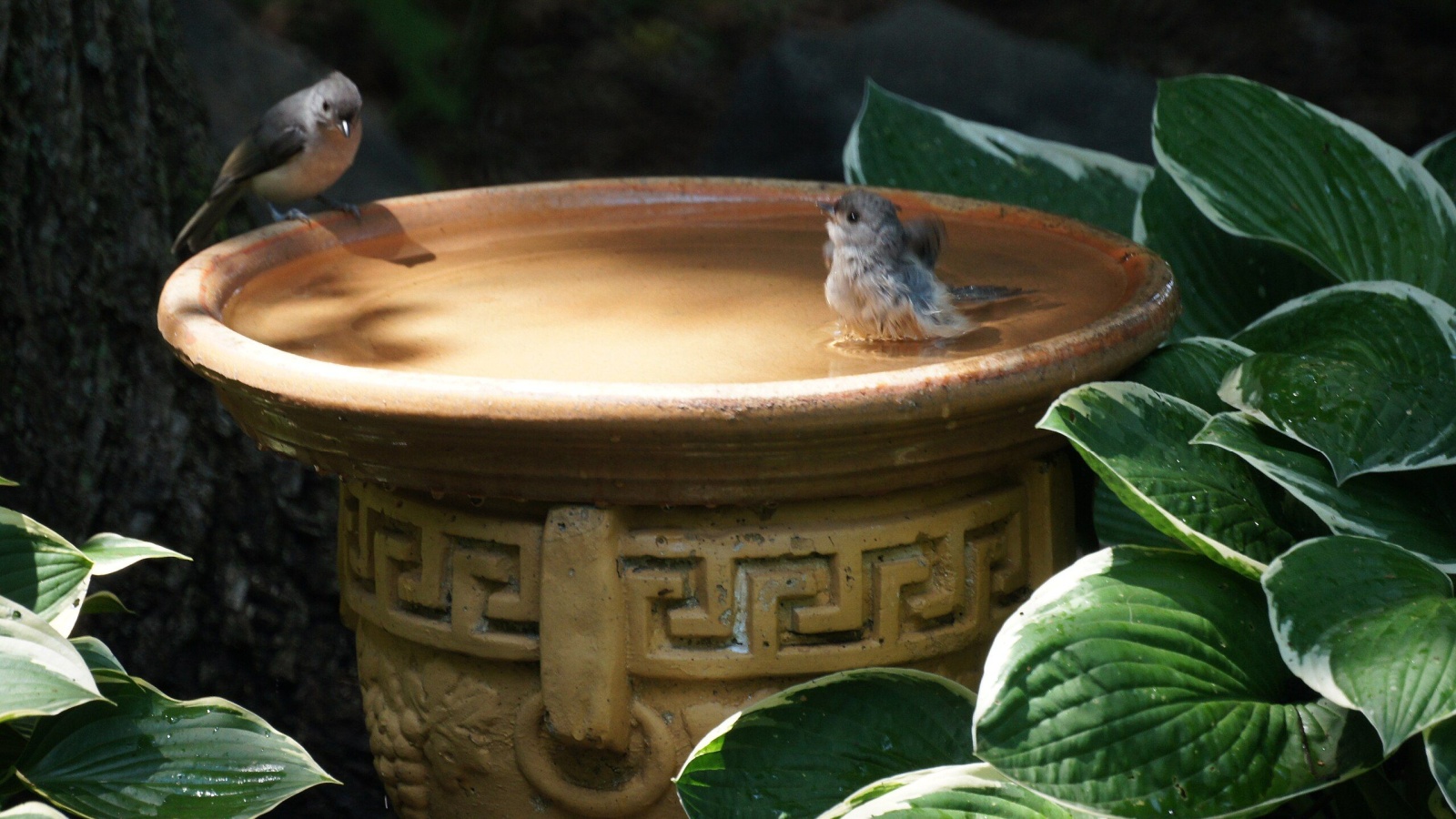
All rodents require water, and one way to make your yard irresistible is to have standing water around. Logs that sink in water can be used to find them in puddles, birdbaths, and even clogged gutters. When you frequently inspect your premises and eradicate any source of stagnant water, you will not find it around. Even if a small stream of water comes from an outdoor faucet, it will be enough to draw them in.
Compost Piles
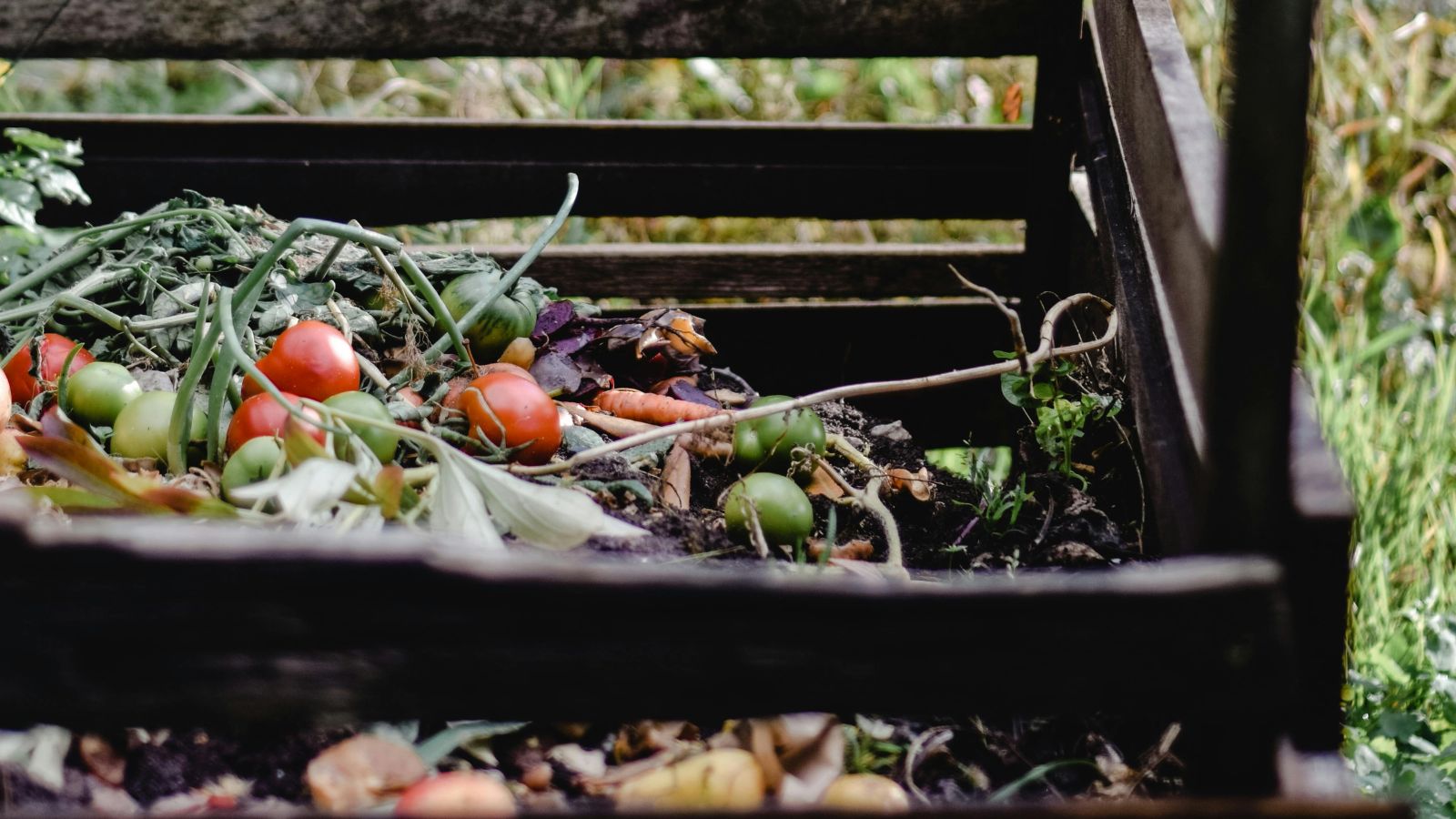
Composting is one of the best things you can do for your garden; unfortunately, it can attract rodents if not managed correctly. Attracting rodents is easy if you toss fresh food waste in an uncovered bin. The ultimate thing is to cover your compost and do not use meats, dairy, or greasy foods. Turning the compost will also reduce the smell and reduce the frequency of pest invasions.
Overgrown Grass and Weeds

Rodents like to hide in tall grass and thick weeds because predators cannot easily notice them. If your yard has some overgrown sections, you should know it may be providing them with the right hiding place. Mowing your lawn, removing debris, and performing other yard maintenance tasks discourage pests from invading in search of hiding places.
Wood Piles and Debris
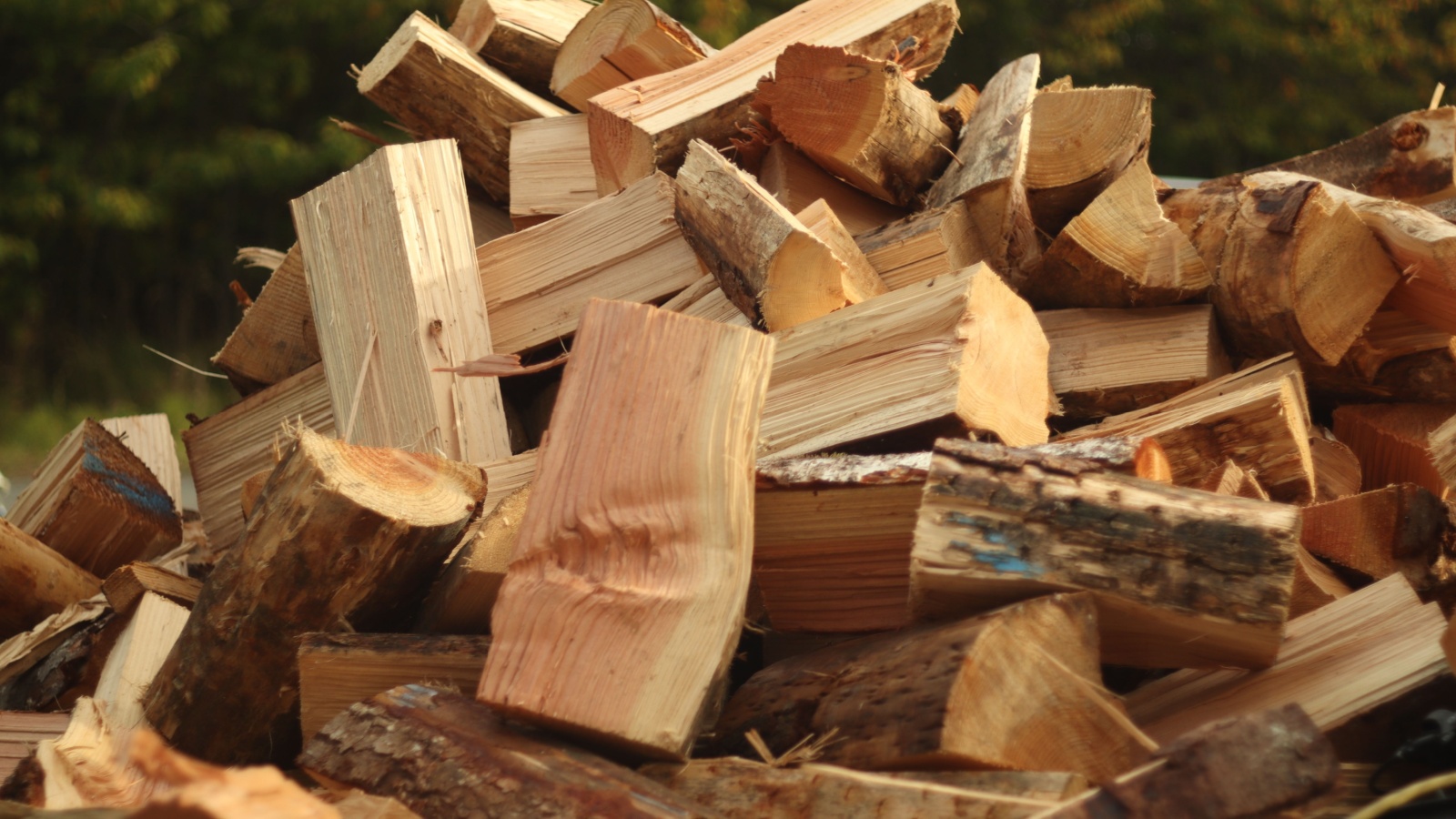
Wood piles and stacks of debris are perfect breeding grounds for rodents. They offer shelter. If you have piles of firewood or other material stored beside or behind your house, ensure they are stacked off the ground and at some distance from your home. Hence, the more you clear your compound, the bigger the chances you stand of getting rid of pests since they have nowhere else to run.
Bird Feeders

Bird feeders are made for the birds, but some pests like squirrels are also tricked into coming around, especially when the seeds that have fallen around the feeders. Birds will be happy with the easy feed, and pests will equally not hesitate to take advantage of any dropped bird seeds. To reduce this, ensure that feeders manufactured are spill-proof and ensure that the floors under these feeders are cleaned frequently.
Fruit Trees and Vegetable Gardens
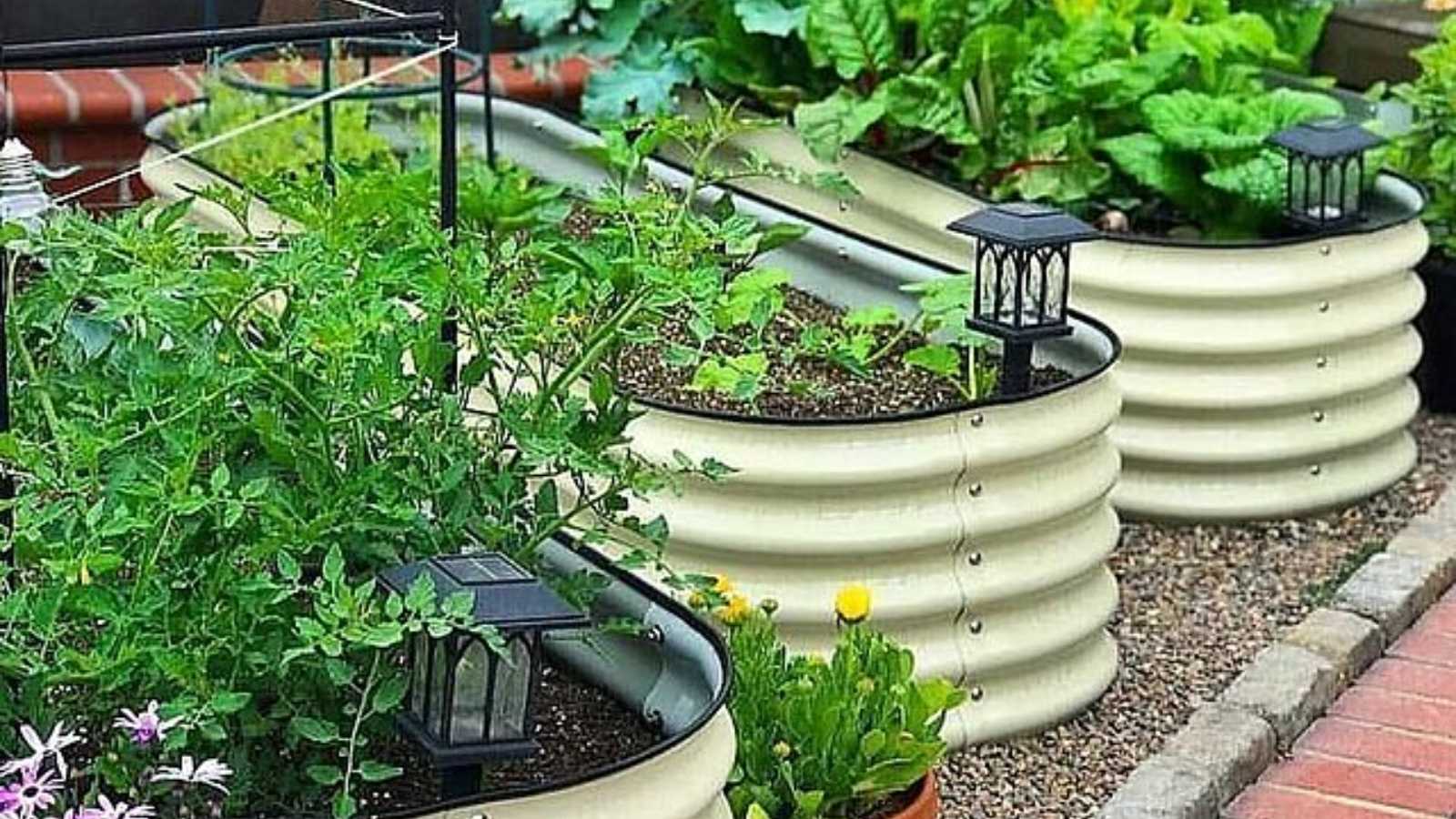
Since rats and mice eat plants, it’s important to note that people with gardens or trees bearing fruit should ensure they control them well. Squashed fruit on the floor or unripe vegetables in the field can attract the attention of pests and foraging rodents. Pick up fruits that have fallen to the ground as soon as possible, and try to enclose your garden area. This will make it impossible for the pests and rodents to reach your crops, thereby reducing their intrusion into your field.
Unsecured Outdoor Pet Food
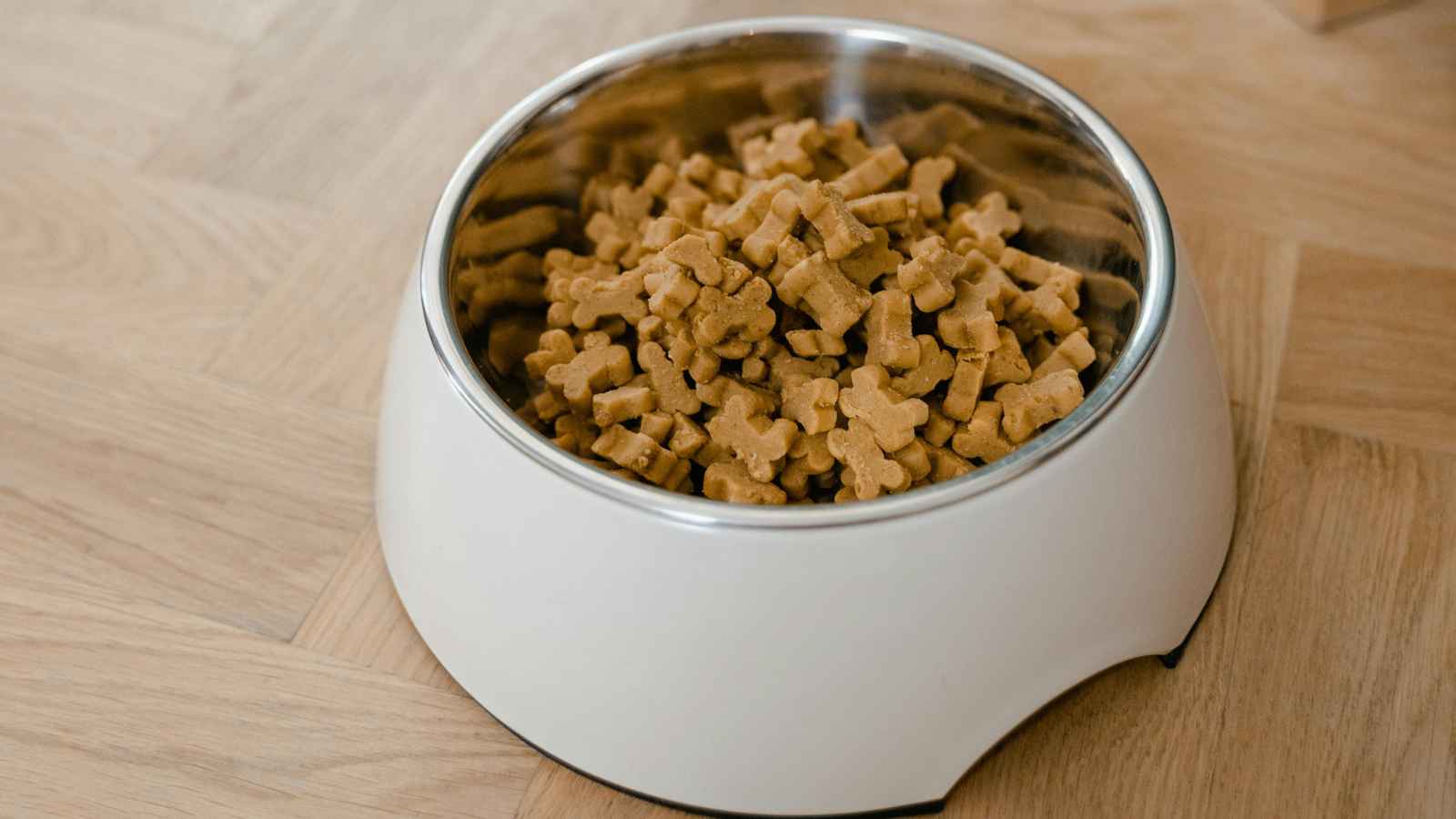
Either placing the pet food in bowls or putting the food in a bag outside can easily attract pests. When feeding your pets outside, ensure that you clean up the leftovers afterward. Feeding pets indoors in airtight containers helps so that pests like rats do not make it their next place to feed from.
Dense Shrubbery and Bushes

These small pests prefer to hide in shrubs, and wherever there is growth of shrubs and bushes, they are certain that predators cannot attack them. Overgrown plants around your house, especially those at the compound fence, are good hiding places. Mowing the lawn and removing debris around your house will keep pests away from your yard. This will also help minimize the chances of rodent invasion indoors.
Leaky Pipes or Dripping Faucets

A dripping pipe or a minor leak outside the house is enough to bring pests, as they are attracted to moisture. They can be found around any source of clean water, fresh water, and are especially attracted to dripping hoses, faucets, and pipes. Minimizing the chances of pests accessing your outdoor plumbing involves inspecting your plumbing regularly for signs of leaks and addressing them promptly. A dry yard is much less suitable for them to nest in.
Unprotected Garden Sheds

Pests like rodents are sneaky animals that can enter your home through small spaces; an unsealed garden shed is a perfect place for them to make a new home. Ensure that there are no gaps, and if there is one, close it; do not let any pests enter your shed. Appropriately storing tools and supplies also helps reduce nesting chances.
Cluttered Yards
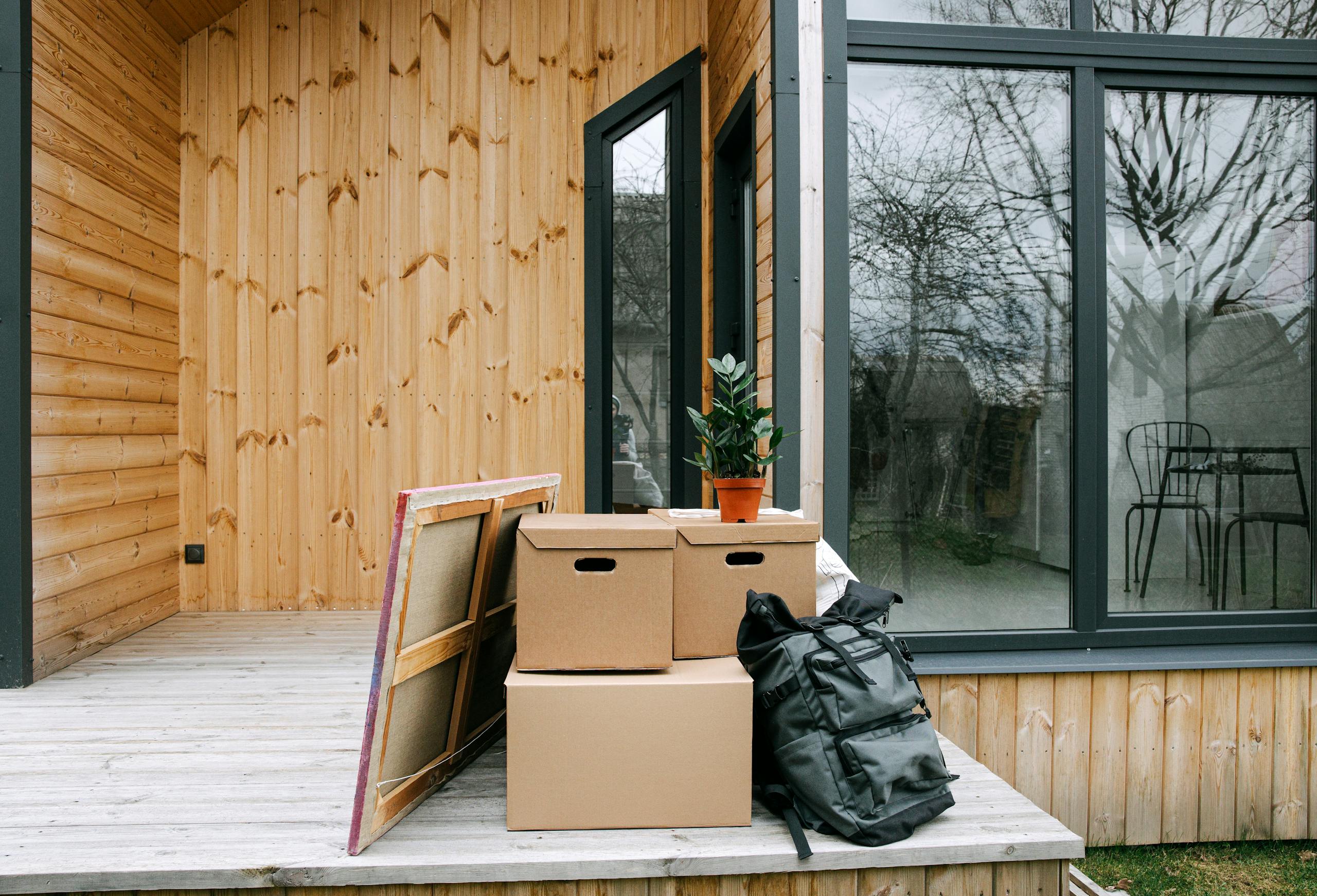
Any clutter in the yard can provide enough shade and shelter for pests. Things like discarded furniture, damaged tools, equipment, or a heap of garbage provide refuge to pests. These are the kind of places where these pests can easily hide. Getting rid of them by cleaning your yard and disposing of discarded items will go a long way in aiding the process. If your yard is cluttered and full of debris, you will likely attract pests to invade your property.
Unmaintained Fences
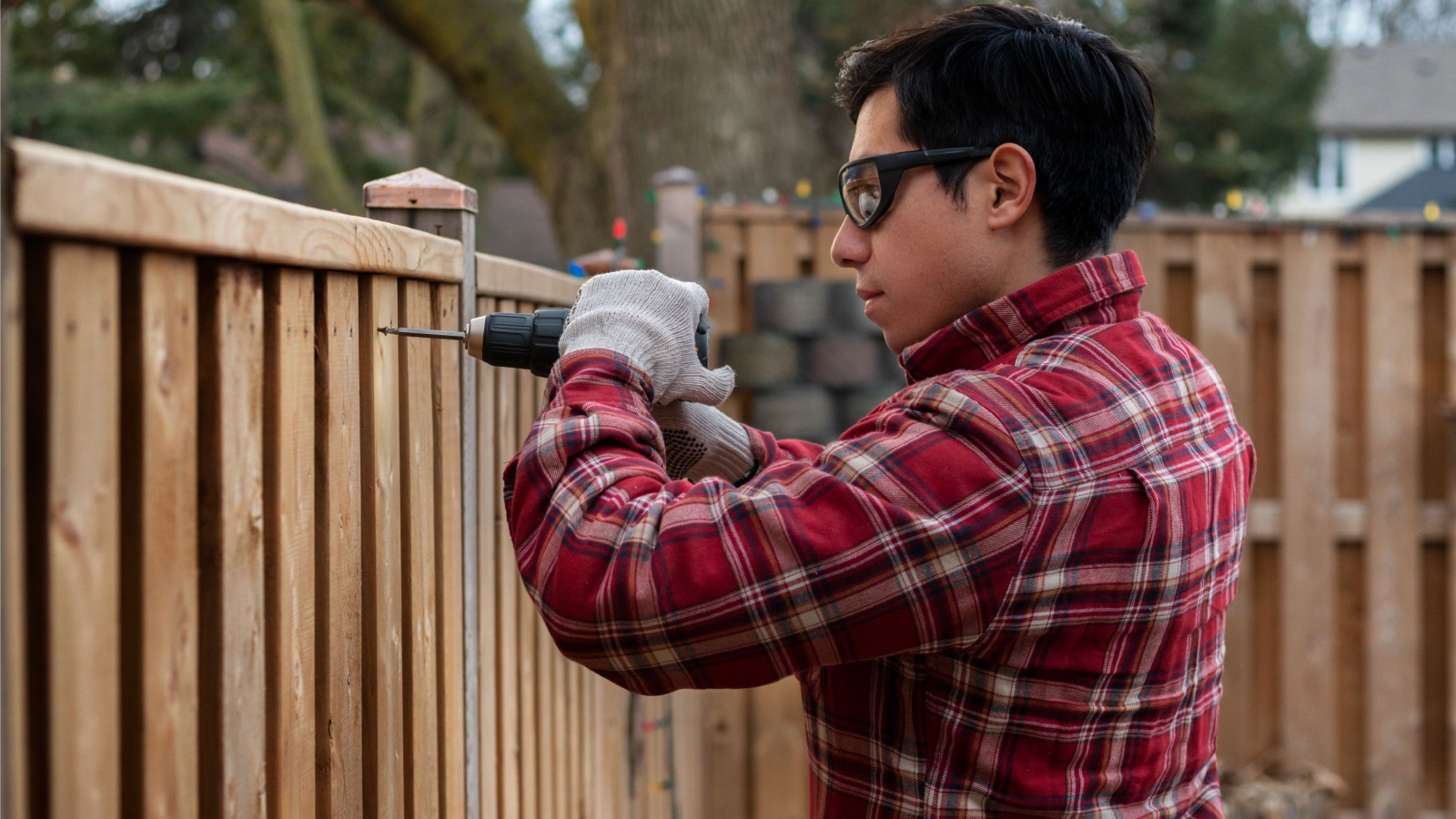
Damaged fences also create a pathway for pests since a fence may have a small section that is open or may be torn. These are aspects that they will exploit to enter and exit unnoticed easily. One way to prevent pest infestations is by inspecting your fence and repairing any gaps. Maintenance of the fence can be reinforced by installing a rodent-proof barrier at the base of the fence.
Nesting Materials
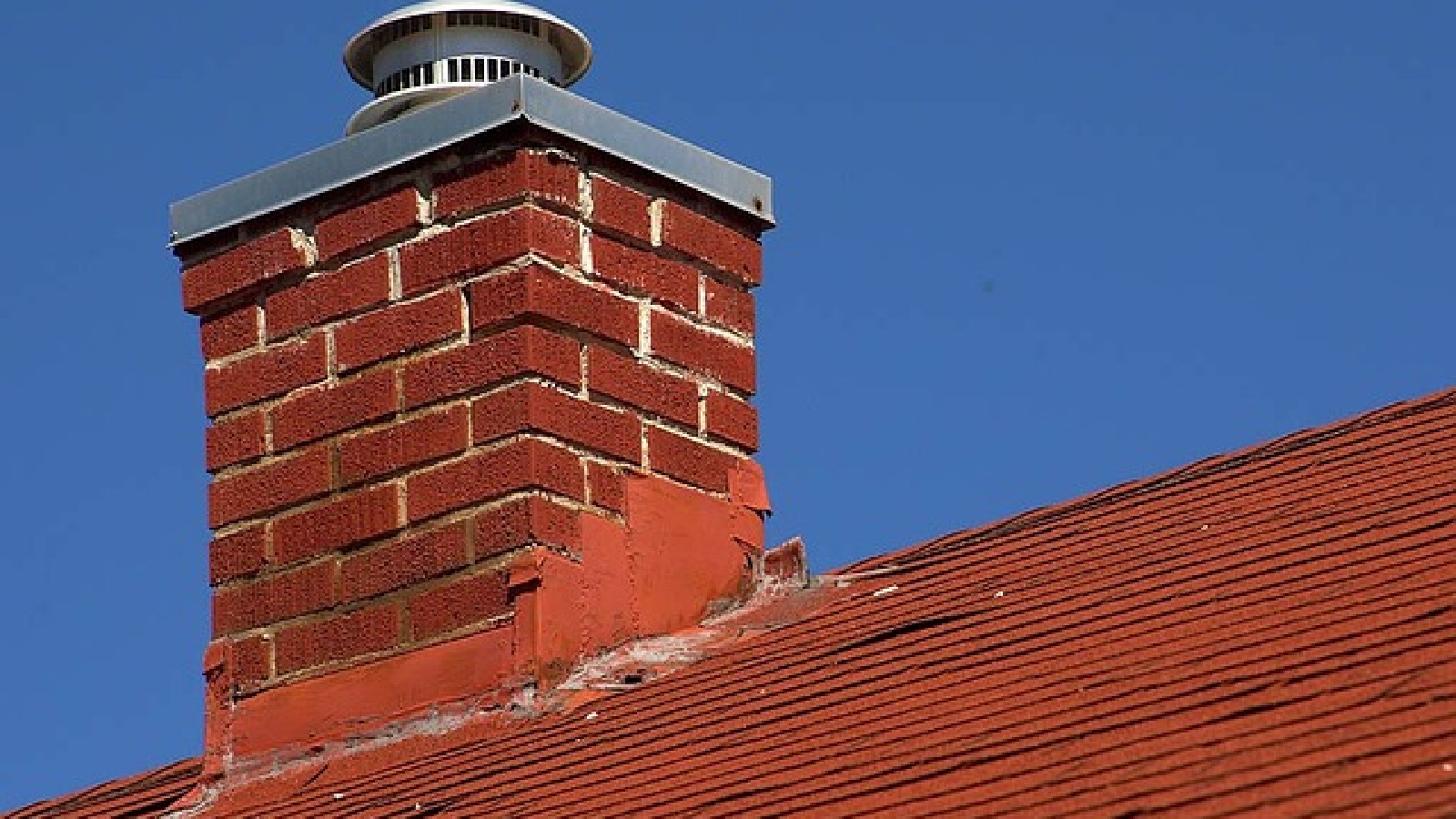
Chimney rats and other rodents will utilize any material they come across when constructing their nests, such as grass clippings, leaves, and insulation. When these materials are dumped in heaps around your yard, they can easily be picked to be used for nesting. By frequently raking the fallen leaves together with other yard wastes, these resources will not be easily available. This is a way to prevent rodents from settling in your yard, as you keep the area clean.