Most of us probably don’t get excited when we spot a bug crawling through the garden. But not every insect is there to chew holes in your plants or ruin your hard work.
Many insects actually make life easier for gardeners. Some pollinate flowers and food crops, while others eat aphids, caterpillars, and other insects that can damage plants. Some break down organic material and help return nutrients to the soil.
There are thought to be millions of insect species around the world, yet insect populations are facing serious pressure from habitat loss, pesticides, pollution, and other environmental changes. Giving helpful insects a place to live can be one small way to make your garden more welcoming to local wildlife.
Here are 15 insects worth keeping around, along with a few simple ways to encourage them to visit.

Honeybees: Busy Pollinators
Honeybees are among the insects most closely associated with pollination. They visit flowers looking for nectar and pollen, carrying pollen from one flower to another along the way.
If you want more bees in your yard, grow flowers that provide plenty of nectar and pollen. Lavender, sunflowers, and many native wildflowers can make good choices. Skip unnecessary pesticide use and consider placing a shallow dish of water with stones nearby so bees have somewhere safe to drink.
Related: 10 Extraordinary Insects With Superpowers
Butterflies: Beautiful Garden Visitors
Butterflies add plenty of color to a garden, but their role goes beyond appearances. As they move between flowers in search of nectar, they can help pollinate plants.
Native flowering plants are a good place to start if you want to attract them. You can also add host plants that caterpillars feed on. Milkweed, for example, provides food for monarch caterpillars.
A shallow, damp area with wet sand or soil can also give butterflies a place to gather minerals and moisture.
Ground Beetles: Natural Pest Hunters
Ground beetles tend to stay out of sight during the day, but they can be busy once the sun goes down. Many species feed on slugs, caterpillars, insect eggs, and other garden pests.
You don’t need much to make your yard more inviting to them. Leaf litter, mulch, stones, and other sheltered areas give ground beetles places to hide during the day.
Rather than clearing every fallen leaf from the garden, leaving some natural cover can give these helpful predators somewhere to live.
Related: 12 Helpful Garden Insects Every Gardener Should Welcome
Lacewings: Small Insects With Hungry Larvae
Adult lacewings are delicate-looking insects with clear, veined wings. Their larvae are a different story. Often called aphid lions, these little predators can eat aphids, mealybugs, mites, and other soft-bodied insects.
Flowering plants such as dill, yarrow, cosmos, and other nectar-producing plants can attract adult lacewings. A garden with plenty of flowers and fewer pesticides gives them a better chance of sticking around.
Ladybugs: Aphid-Eating Favorites
Ladybugs are probably one of the easiest helpful insects to recognize. They are also useful garden predators, with many species feeding on aphids and other small pests.
According to National Geographic, a single ladybug can eat thousands of aphids during its lifetime.
Dill, fennel, and marigolds can help attract ladybugs. If you spot them in your garden, avoid spraying them with broad-spectrum insecticides. You could be getting rid of some of your best natural pest control.
Bumblebees: Excellent Pollinators
Bumblebees are larger and fuzzier than honeybees, and they play an important role in pollinating many plants.
They are especially good at a technique known as buzz pollination, where the bee vibrates its flight muscles to shake pollen loose from certain flowers. Tomatoes, peppers, blueberries, and other plants can benefit from their visits.
Native flowers give bumblebees a good source of food. Leaving some undisturbed areas of soil, brush, or vegetation can also provide potential nesting spots.
Related: 12 Beneficial Insects You Want in Your Garden
Dragonflies: Aerial Insect Hunters
Dragonflies spend much of their time flying around ponds, gardens, and other wet areas. They are skilled hunters and eat mosquitoes, flies, and other small insects.
A pond or other small water feature can make your yard more attractive to dragonflies. Aquatic plants can also provide habitat for their young, which spend part of their lives underwater.
Dragonflies also face threats from habitat loss and declining wetland areas. The International Union for Conservation of Nature has reported that many dragonfly species are at risk.
Fireflies: Glowing Summer Visitors
Few garden sights are as memorable as fireflies lighting up the yard after dark. Their larvae are predators that feed on creatures such as snails, slugs, and other small organisms.
If you want to encourage fireflies, avoid keeping your outdoor lights on all night. Leave some leaf litter and low vegetation in parts of the yard since fireflies need moist places to shelter.
A slightly untidy corner of the garden may be much better for them than a perfectly manicured lawn.
Praying Mantises: Patient Predators
Praying mantises are fascinating to watch. They can remain still for long periods before grabbing an insect that wanders within reach.
They eat a wide range of insects, including grasshoppers, flies, and caterpillars. They don’t distinguish between garden pests and beneficial insects, though, so they aren’t a perfect pest-control solution.
Tall plants, shrubs, grasses, and other vegetation give mantises places to hide and hunt. A garden with plenty of plant variety can provide the cover they need.
Research discussed in the Journal of Ecology and Conservation also examines their role as natural predators in agricultural settings.
Related: 10 Insects With Some of the Most Impressive Adaptations in Nature
Dung Beetles: Garden Recyclers
Dung beetles probably aren’t the first insects you think about inviting into your yard, but they have an interesting job. They break down animal waste and help move nutrients back into the soil.
Research published in Insects has examined their role in nutrient recycling, soil structure, and soil fertility.
If you have livestock or other animals on your property, a healthy outdoor habitat can give dung beetles the food sources they need. Avoiding unnecessary pesticide use can also help protect them.
Hoverflies: Pollinators With Helpful Larvae
Hoverflies are easy to mistake for bees or wasps because many species have similar markings. They are harmless to people and can be useful visitors in the garden.
Adult hoverflies feed on nectar and pollen, making them pollinators. Some hoverfly larvae eat aphids and other soft-bodied pests.
Flowers with easy-to-reach nectar, including daisies, alyssum, and marigolds, can attract them. A mix of flowering plants can provide food throughout the growing season.
Ants: Tiny Soil Workers
Ants can certainly become annoying when they show up inside your home, but their role outdoors is a little different.
As ants tunnel through soil, they create small channels that can improve air and water movement. They also move organic material around and can help break down food and plant matter.
You don’t need to encourage every ant colony in your yard. If they aren’t causing problems, though, there’s usually no reason to remove them simply because they’re there.
Solitary Bees: Quiet Pollination Experts
Honeybees get most of the attention, but solitary bees also do a lot of pollinating. Mason bees and leafcutter bees are examples of solitary species that don’t live in large colonies.
You can give them places to nest by providing hollow stems, blocks with appropriately sized holes, or commercially made bee houses. Native flowering plants give them a nearby food source.
These bees are generally far less defensive than social bees because they don’t have a large hive to protect.
Wasps: Garden Predators With a Bad Reputation
Wasps aren’t everyone’s favorite garden visitor, and it’s wise to give nests plenty of space. Still, many wasp species are useful predators.
They hunt caterpillars, flies, beetles, and other insects to feed themselves or their young. Some species also visit flowers and contribute to pollination.
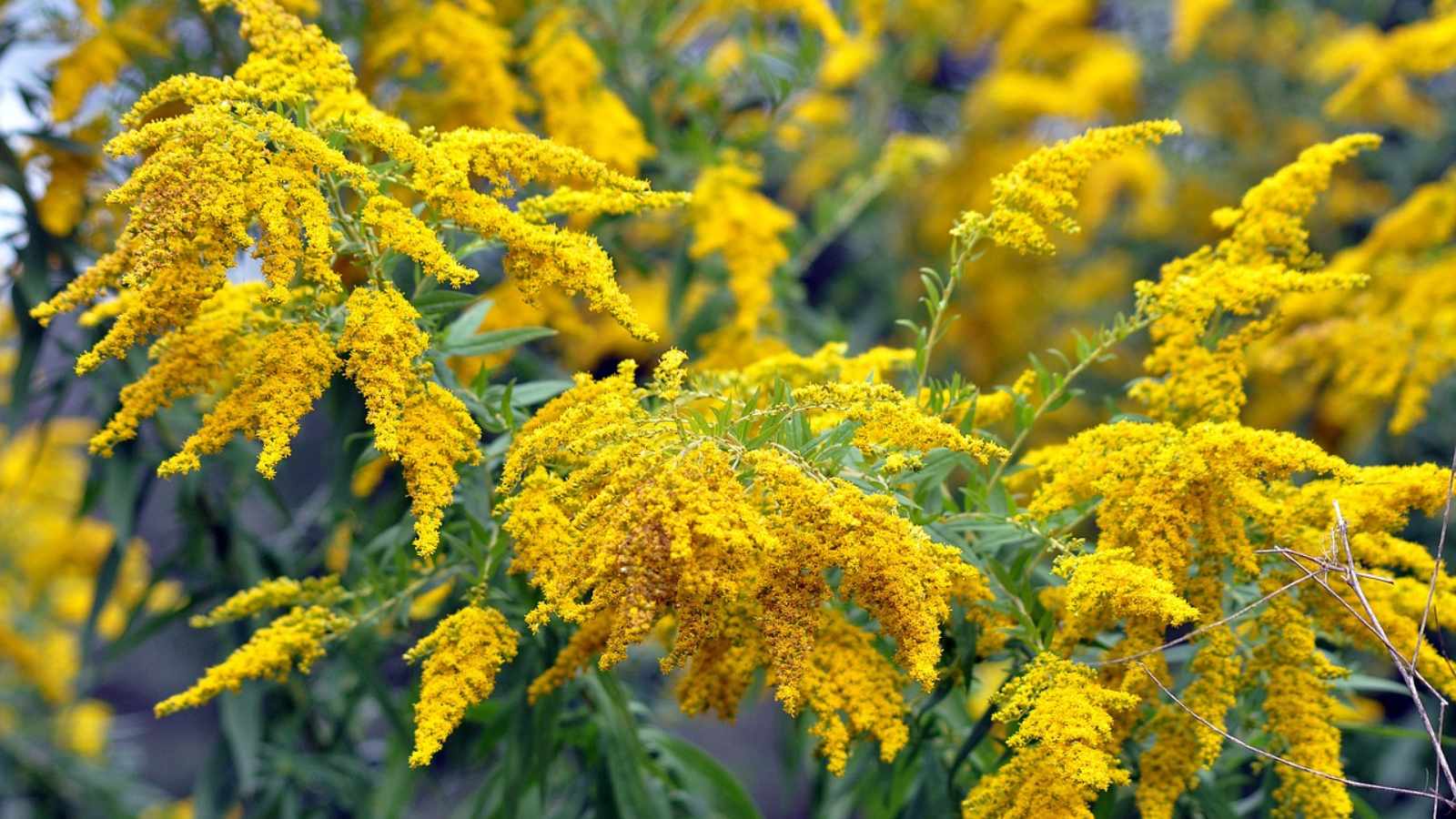
Flowering plants such as goldenrod and Queen Anne’s lace can attract wasps. If a nest isn’t creating a safety problem, leaving it alone allows these predators to continue doing their work.
Pill Bugs: Little Decomposers
Pill bugs, also called roly-polies, are often found underneath rocks, mulch, and damp leaves. They feed on decaying plant material and help break it down.
As they consume dead leaves and other organic matter, they help return nutrients to the soil.
Give them a cool, damp area with leaf litter, mulch, or pieces of decaying wood. They aren’t interested in hunting your garden pests, but they still have a useful role in keeping the soil ecosystem active.
A garden doesn’t have to be completely bug-free to be healthy. In many cases, seeing bees, beetles, butterflies, and other insects is a sign that your yard has something worth sticking around for. Creating a mix of flowers, shelter, water, and undisturbed areas can give these helpful visitors a reason to make your garden their home.