
A thriving garden depends on more than healthy soil, sunshine, and regular watering. Many of the hardest-working helpers are insects. While some bugs damage plants, plenty of others pollinate flowers, hunt destructive pests, and help keep your garden balanced without the need for chemical sprays.
If you want healthier flowers, vegetables, and fruit, these 12 beneficial insects are worth welcoming into your garden.
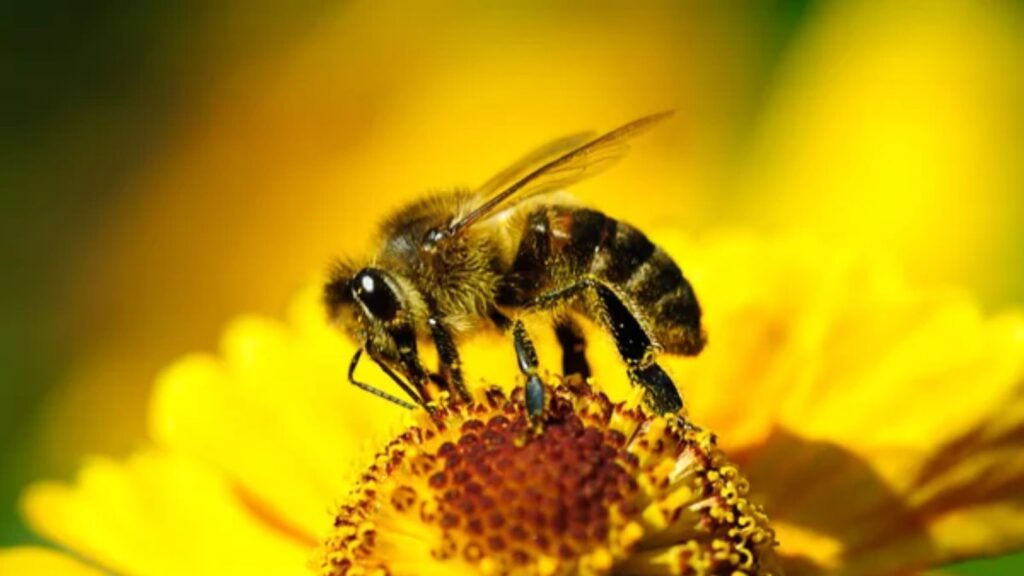
Bees
Bees are some of the hardest-working pollinators you’ll find. As they move from flower to flower collecting nectar and pollen, they help plants produce fruits, vegetables, and seeds. Honeybees and bumblebees are the most familiar visitors, but North America is home to thousands of native bee species that are equally valuable. Planting a variety of flowering plants can encourage bees to visit throughout the growing season.
Related: 12 Common Garden Plants That Are Surprisingly Poisonous
Ladybugs
Ladybugs are every gardener’s friend. Both the adults and their larvae feed on common garden pests, including aphids, mites, mealybugs, and scale insects. One ladybug can consume thousands of aphids during its lifetime, making it one of the easiest and most effective forms of natural pest control.
Praying Mantis
Praying mantises are skilled hunters that feed on grasshoppers, moths, flies, crickets, and other insects that can damage plants. They help reduce pest populations naturally. They aren’t picky eaters, though, and may also catch butterflies, bees, and other beneficial insects, so they’re best viewed as part of a balanced garden rather than a perfect solution.
Lacewings
Lacewings are easy to recognize by their delicate, transparent wings, but their real value comes from their appetite. Lacewing larvae feed on aphids, whiteflies, thrips, mealybugs, and other soft-bodied pests. Because of their appetite, they’re often called “aphid lions” by gardeners.
Related: 10 Extraordinary Insects With Superpowers
Ground Beetles
Ground beetles spend most of their time hunting at soil level, where they feed on slugs, snails, caterpillars, cutworms, and other troublesome pests. Many species also eat weed seeds, giving gardeners another reason to welcome them into vegetable beds and flower borders.
Hoverflies
Hoverflies are often mistaken for bees because of their yellow and black markings, but they don’t sting. Adults feed on nectar and pollen, making them valuable pollinators. Their larvae are excellent predators that feast on aphids and other tiny plant pests, giving you two benefits from one insect.
Tachinid Flies
Tachinid flies help control some of the toughest garden pests. Females lay their eggs on or near insects such as caterpillars, beetles, and grasshoppers. After hatching, the larvae feed on the host, naturally reducing pest numbers without harming your plants.
Related: 15 Insects You’ll Love (and How to Make Them Feel at Home)
Damsel Bugs
Damsel bugs may be small, but they’re active predators. They hunt aphids, mites, caterpillars, leafhoppers, and insect eggs throughout the growing season. While they occasionally feed on other beneficial insects, they spend most of their time keeping damaging pests under control.
Ground Spiders
Ground spiders quietly patrol garden beds in search of prey. They catch caterpillars, beetles, grasshoppers, cutworms, squash bugs, and many other insects that damage vegetables and flowers. Since they hunt at night and stay close to the soil, many gardeners never notice how much work they’re doing.
Dragonflies
Dragonflies are best known for their ability to catch mosquitoes, but they also feed on flies, gnats, and other flying insects. Their speed and excellent eyesight make them efficient hunters. If your garden includes a pond or other water feature, you’re more likely to attract these helpful visitors.
Soldier Beetles
Soldier beetles feed on aphids, caterpillars, and sawfly larvae, helping reduce pest populations throughout the garden. Adults also visit flowers for nectar and pollen, helping with pollination along the way. Goldenrod, asters, daisies, and similar flowering plants are excellent choices for attracting them.
Related: 10 Everyday Items That Actually Kill Your Garden Soil
Parasitic Wasps
Despite their name, parasitic wasps are tiny, non-aggressive insects that rarely bother people. They lay their eggs on or inside pests such as aphids, caterpillars, beetles, and whiteflies. As the larvae develop, they naturally reduce pest populations. These wasps are among the most effective forms of biological pest control available in home gardens.