
Miracle-Gro is one of the most familiar names in gardening. Walk through almost any garden center, and you’ll find bags of Miracle-Gro soil, fertilizer, and plant food promising bigger, healthier plants with less effort. The brand’s convenience is a big part of its appeal, and 70% of gardeners reportedly point to convenience as one of its main selling points.
But convenient doesn’t always mean it’s the right fit for every garden.
Research by students at Augustana College found that different concentrations of Miracle-Gro solution affected plant growth, with excessive nutrients potentially limiting growth rather than helping it. That raises a fair question: Is Miracle-Gro soil really the best choice for every garden?
There are plenty of reasons gardeners look at compost, homemade soil blends, and other products instead. Concerns about synthetic fertilizers, peat moss, salt buildup, and long-term soil health can all play a role in that decision.
Here are 15 reasons some gardeners choose to skip Miracle-Gro soil.
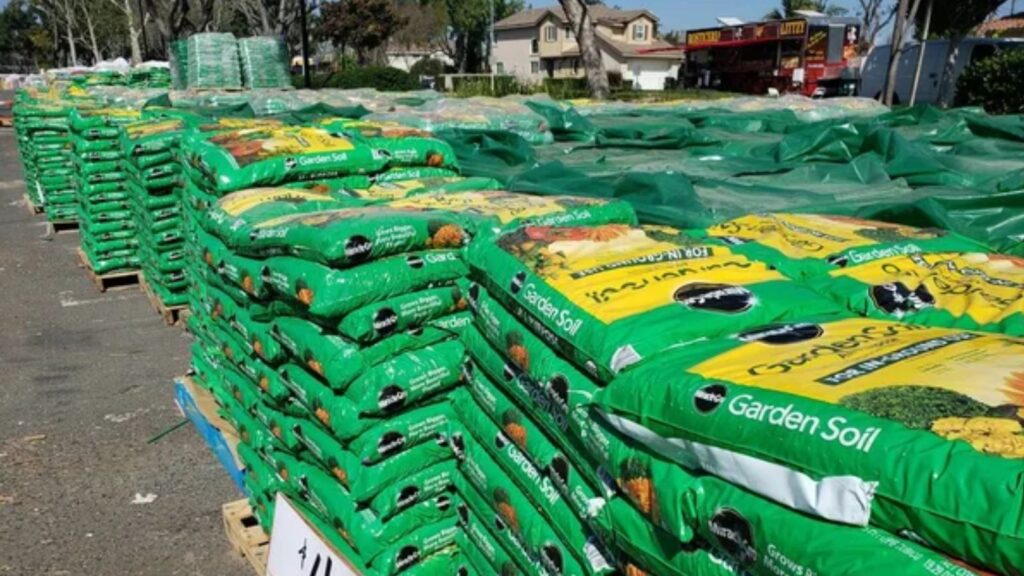
Contains Synthetic Fertilizers
Many Miracle-Gro soil products contain synthetic fertilizers that give plants a quick supply of nutrients. That can be useful when plants need a boost, but repeated use may not do much to improve the soil itself.
Healthy garden soil needs organic matter, minerals, microorganisms, and good structure. Adding nutrients alone doesn’t replace those things. Compost, aged manure, leaf mold, and other organic materials can help build better soil while feeding plants.
Related: 13 Surprising Vegetables That Thrive Without Soil
Fertilizer Runoff Can Affect Water Quality
Synthetic fertilizers can become a problem when excess nutrients wash out of garden beds and into storm drains, streams, ponds, and other waterways.
Too much nitrogen and phosphorus in water can encourage excessive algae growth. Large algal blooms can lower oxygen levels and create conditions that are harmful to fish and other aquatic life.
The Environmental Protection Agency has identified nutrient pollution as one of the major causes of water quality problems in the United States. Using fertilizer carefully and avoiding more than plants need can help reduce runoff.
Fast Growth Isn’t Always Better
Seeing a plant grow quickly can be satisfying, but rapid growth doesn’t automatically mean the plant is healthy.
Large amounts of readily available nutrients can encourage lush new growth. If a plant receives more fertilizer than it can use, that growth may be softer and more susceptible to stress, pests, and disease.
A steady supply of nutrients from healthy soil can give plants what they need without constantly pushing new growth.
Related: 14 Vegetables That Help Improve Soil Quality
It’s Easy to Overfertilize
One of the biggest problems with packaged fertilizers is that it’s easy to assume more will produce better results. It usually doesn’t.
Too much fertilizer can cause fertilizer burn, which may leave leaves with brown edges, damage roots, or even kill a plant. Excess fertilizer can also alter soil conditions and interfere with the microorganisms living around plant roots.
Compost and other organic materials release nutrients more slowly, making them a useful choice for gardeners who want to feed their soil without constantly adding concentrated fertilizer.
Many Products Aren’t Certified Organic
Gardeners who are trying to maintain an organic garden may prefer products carrying an organic certification. Most Miracle-Gro products aren’t certified organic and can contain synthetic fertilizers or other ingredients that don’t fit an organic gardening plan.
That doesn’t automatically make the products unsafe for every garden. It just means they may not fit the standards or preferences of someone committed to organic gardening.
Related: 15 Plants That Thrive in Poor Soil
Synthetic Fertilizers Can Affect Soil Microbes
Good soil is full of life. Bacteria, fungi, earthworms, and other organisms help break down organic material and make nutrients available to plants.
Heavy or repeated fertilizer use can change the conditions these organisms live in. Some studies have found that long-term use of synthetic fertilizers can affect microbial communities and soil biology.
Adding compost and organic matter gives soil organisms a steady source of food and helps maintain a healthier soil ecosystem.
Some Mixes Contain Peat Moss
Peat moss has been a common ingredient in potting mixes and garden soils for years because it holds moisture and creates a lightweight growing medium. The problem is that peat bogs develop extremely slowly and store large amounts of carbon.
The Royal Horticultural Society has encouraged gardeners to move toward peat-free products to help protect peatland habitats and reduce environmental damage.
If sustainability is a priority, look for mixes made with alternatives such as coconut coir, compost, bark, or other renewable materials.
The Nutrient Mix May Not Suit Every Plant
Plants don’t all have the same nutritional needs. A vegetable garden, houseplant, succulent, orchid, and acid-loving shrub can require very different growing conditions.
A general-purpose soil mix may work perfectly well for some plants but be a poor match for others. Using a soil blend made for a particular type of plant can give you better results than trying to use one bag of soil for everything.
It Can Encourage Reliance on Fertilizer
A bag of nutrient-rich soil can make gardening feel wonderfully easy. Plants receive a dose of fertilizer right away, and the results can be noticeable.
The problem comes when fertilizer becomes the main way you keep plants growing instead of improving the soil itself. Building soil with compost, organic matter, and mulch can create a growing medium that continues to support plants over time.
It May Not Be Ideal for Earthworms and Soil Life
Earthworms play a useful role in garden soil. They create channels as they move through the ground, help break down organic material, and contribute to better soil structure.
Excessive fertilizer use can create unfavorable conditions for earthworms and other soil organisms. High concentrations of fertilizer salts can also damage plant roots.
Healthy soil with plenty of organic matter gives earthworms a much better place to live.
Earthworm populations naturally contribute to soil structure and fertility, making them worth protecting in the garden.
It Can Cost More Over Time
A bag of Miracle-Gro soil may seem reasonably priced when you’re filling a few containers or starting a small garden. Costs can add up, though, if you regularly replace soil and continue buying fertilizer to keep plants growing.
Compost, homemade leaf mold, and other organic amendments can sometimes be produced or purchased for less over time. They also add organic matter to the soil rather than simply supplying a quick nutrient boost.
Salt Buildup Can Become a Problem
Many synthetic fertilizers supply nutrients in salt-based forms. When fertilizer is repeatedly added without enough water moving through the soil, salts can accumulate.
High salt levels can make it harder for plants to absorb water and may damage roots. You might see brown leaf edges, wilting, or poor growth even though you’ve been feeding the plant regularly.
Good drainage, proper watering, and careful fertilizer use can help prevent this problem.
It Doesn’t Do Much to Improve Soil Structure
Feeding a plant and improving soil are two different things.
Fertilizer supplies nutrients, but it doesn’t replace the organic matter needed to improve soil texture, drainage, water retention, and microbial activity. If your garden soil is compacted or depleted, adding fertilizer alone won’t fix the underlying issue.
Organic soil amendments, such as compost and mulch, can help improve the soil itself while giving plants access to a broader range of nutrients.
One Mix Won’t Work for Every Specialty Plant
Some plants are particularly picky about their growing medium. Succulents and cacti need excellent drainage, orchids often require a loose bark-based medium, and acid-loving plants may need a lower soil pH.
A general-purpose Miracle-Gro mix may not provide the conditions these plants prefer.
Creating or buying a soil mix made for the specific plant can make a noticeable difference, especially with plants that are sensitive to moisture or soil acidity.
There Are Plenty of Other Options
Miracle-Gro is convenient, but it isn’t the only choice available to gardeners. Compost, worm castings, homemade soil mixes, leaf mold, and peat-free potting soils can all be useful alternatives.
Gardeners can also find organic and natural soil products from brands such as FoxFarm, Coast of Maine, and Espoma. The best choice depends on the plants you’re growing, the condition of your existing soil, and how you prefer to garden.
A recent study published in the MDPI Journal found that organic mulching can affect soil organic carbon, bulk density, water infiltration, and soil compaction.
That’s a good reminder that healthy gardening starts below the surface. Fertilizer can feed a plant, but good soil gives the entire garden a better place to grow.