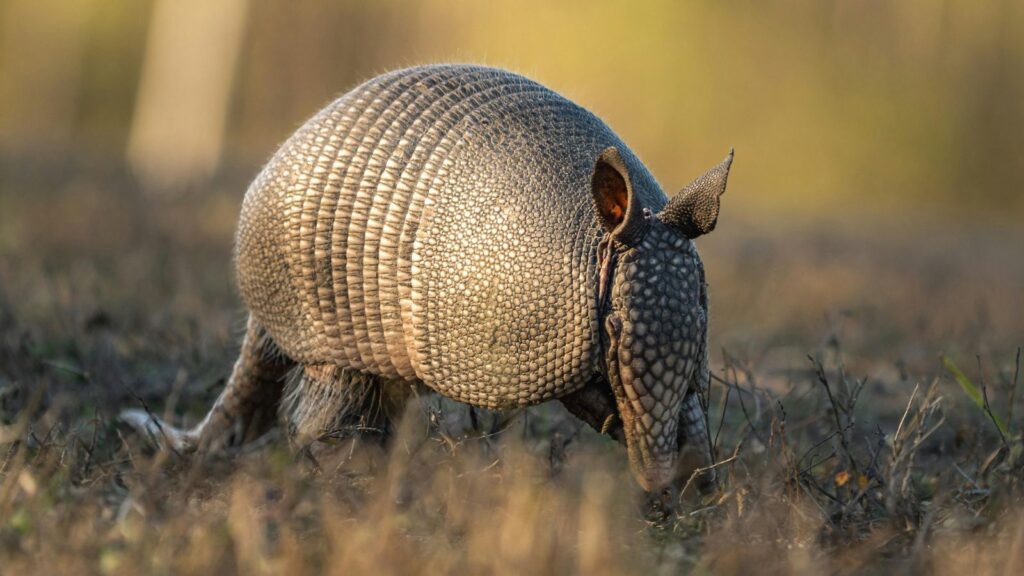
Armadillos are easy to recognize thanks to their armored bodies and long, pointed snouts. Of the roughly 20 living armadillo species, the nine-banded armadillo is the species most commonly encountered in the United States.
They may look harmless, but an armadillo digging through your lawn can leave behind shallow holes, overturned soil, and damaged garden beds. They search for insects, grubs, worms, and other small food sources, so a yard with plenty of food can quickly become a regular stop.
One thing that makes armadillos interesting is their strong sense of smell. Since they rely heavily on scent to locate food and move through their surroundings, strong odors are sometimes used as a way to make an area less appealing.
Not every scent is proven to work, and results can vary from one animal to another. Still, these are 13 smells commonly used or suggested for discouraging armadillos from hanging around.
Vinegar
White vinegar has a sharp, sour smell that many animals find unpleasant. It’s an inexpensive option that some homeowners use around areas where armadillos have been digging.
Soak rags in vinegar and place them near problem spots, or use a diluted vinegar solution around areas you want to discourage them from visiting. The smell fades outdoors, especially after rain, so it needs to be refreshed regularly.
Avoid pouring large amounts of vinegar directly onto plants or soil because concentrated vinegar can damage vegetation.
Related: 17 Smells That Make Rats Say ‘Nope!’
Ammonia
Ammonia has an intense chemical odor that can be unpleasant to animals with sensitive noses. Some homeowners use ammonia-soaked rags near burrows or other areas where armadillos have been active.
Use caution with this method. Ammonia can irritate the skin, eyes, and respiratory system, and it can harm plants when used improperly. Never mix ammonia with bleach or other cleaning products.
Keep treated materials away from children and pets, and follow the product label if you decide to use it.
Cayenne Pepper
The strong smell and spicy compounds in cayenne pepper may make areas less appealing to some wildlife. It’s often used around garden beds and spots where animals have been digging.
A light sprinkling around affected areas is one option. Some people also make a simple spray by mixing cayenne with water and a small amount of dish soap so it sticks to leaves and surfaces.
Rain will wash the mixture away, so outdoor applications need to be repeated.
Related: 17 Strong Scents Rats Can’t Stand That May Help Keep Them Out of Your House
Garlic
Garlic has a strong sulfur-like smell that can linger after the cloves are crushed or chopped. That makes it a popular ingredient in homemade wildlife repellents.
Crushed garlic can be placed around areas where armadillos have been digging. You can also make a garlic spray by blending garlic with water, straining it, and spraying the liquid around the garden.
The smell will eventually fade, so fresh applications may be needed.
Eucalyptus Oil
Eucalyptus has a strong, sharp scent that some people use as part of homemade wildlife repellents. A few drops of eucalyptus essential oil diluted in water can be sprayed around areas where armadillos have been active.
Essential oils are highly concentrated, though, so they should be handled carefully. Keep them away from pets, children, and sensitive plants, and don’t assume that a natural product is automatically harmless.
Coffee Grounds
Used coffee grounds have a noticeable earthy smell and are sometimes scattered around gardens as a way to discourage wildlife. They also add organic material to the soil as they break down.
Spread a thin layer around garden beds or areas where armadillos have been digging rather than creating thick piles. Coffee grounds alone are unlikely to solve a serious armadillo problem, but they can be part of a broader effort to make the area less attractive.
Related: 10 Red Flags That Your Mattress Could Be Crawling With Dust Mites
Pine Needles
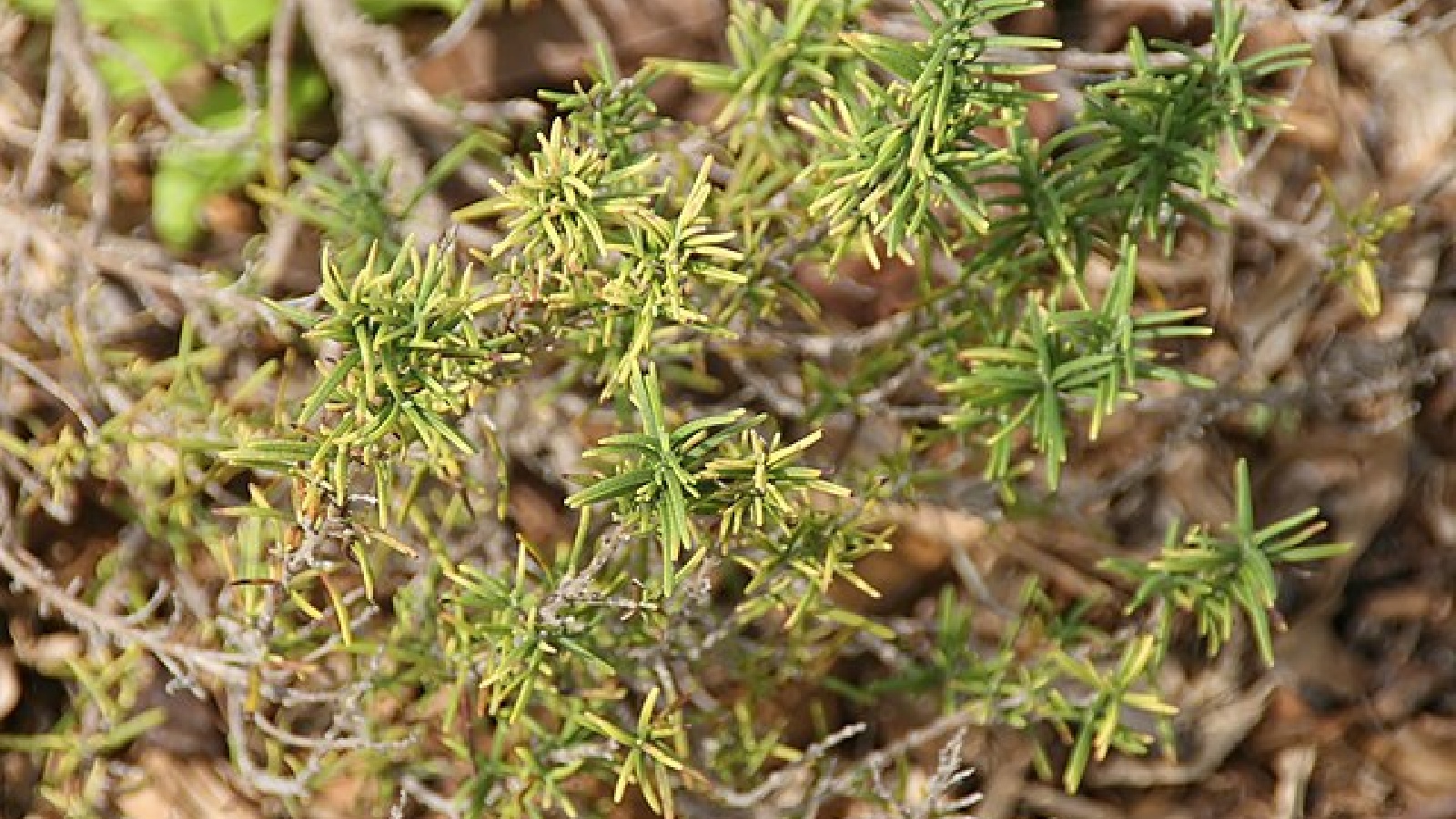
Fresh pine needles have a strong, resinous smell that may make some areas less appealing to armadillos. They can also be used as mulch around certain plants.
Spread pine needles around garden beds and other areas where digging has been a problem. Besides creating an aromatic layer, they can help cover exposed soil that may otherwise attract animals searching for insects.
Mothballs
Mothballs have an extremely strong chemical odor, which is why some people have historically used them to discourage wildlife. This is one method that’s better left alone.
Mothballs contain pesticides and are intended for use in tightly enclosed areas to control clothes moths. Using them outdoors to repel armadillos can expose pets, children, wildlife, and people to harmful chemicals. They can also contaminate soil and water.
If you’ve heard that mothballs are a good armadillo repellent, skip this method and choose a safer option instead.
Lemon and Citrus Peels
Fresh lemon and orange peels have a strong citrus scent that some homeowners use around gardens and outdoor spaces.
Scatter fresh peels around areas where armadillos have been digging and replace them as they dry out and lose their smell. Citrus peels won’t create a permanent barrier, but they’re inexpensive and easy to try.
Citrus essential oils are much more concentrated than fresh peels, so use extra care around pets and plants.
Peppermint Oil
Peppermint has a powerful minty smell that is commonly included in homemade pest and wildlife repellents. Some homeowners use diluted peppermint oil around areas where animals are causing trouble.
Mix a small amount with plenty of water and spray it around the perimeter of the affected area. Keep in mind that essential oils can be irritating to pets, and concentrated oils should never be applied directly to animals.
Onions
Fresh onions have a sharp smell that can linger after they’re chopped. That makes them another inexpensive ingredient people sometimes use in homemade wildlife repellents.
Place chopped onion pieces around areas where armadillos have been digging or make a diluted onion-based spray for garden borders. Replace the pieces once the smell fades.
This works best as a temporary deterrent rather than a stand-alone solution.
Castor Oil
Castor oil is one of the more commonly discussed ingredients in homemade armadillo repellents. Its strong smell and oily texture can make treated soil less appealing, and commercial wildlife repellents sometimes contain castor oil.
Rather than pouring large amounts of oil directly onto your lawn, look for a commercial wildlife repellent containing castor oil and follow its directions. Too much oil can interfere with soil and plant health.
If armadillos keep returning, removing food sources and blocking access to favored areas can be more useful than repeatedly treating the same spot.
Lavender
Lavender has a strong floral scent that people often enjoy, while some gardeners use it as part of a broader effort to discourage wildlife.
Planting lavender around sunny garden borders can add color and fragrance to the yard, although it shouldn’t be treated as a guaranteed armadillo repellent. Armadillos may still pass through an area if they find plenty of food.
If you use lavender essential oil, dilute it properly and keep concentrated oil away from pets and children.
Related: 10 Hidden Garage Hazards That Could Cause Serious Problems
A Few Other Ways to Make Your Yard Less Appealing
Strong smells may provide a temporary deterrent, but they usually work best alongside other changes. If an armadillo keeps returning, there may be something in your yard that makes the visit worthwhile.
Check for areas with loose soil, excessive insect activity, or easy access beneath decks, sheds, porches, and other structures. Repairing gaps and adding physical barriers can make it harder for armadillos to settle in.
Keeping grass and garden areas healthy can also help reduce the conditions that attract them. If digging becomes extensive or you’re dealing with repeated burrowing, a local wildlife professional can help identify the cause and recommend humane control methods.
A strong-smelling spray might encourage an armadillo to move along for a while, but changing what attracts it in the first place is usually a better long-term plan.