When people picture a beautiful backyard, they usually think of colorful flowers, leafy trees, or a thriving vegetable garden. What they may not think about is whether those plants are also creating a comfortable spot for snakes.
Snakes aren’t necessarily bad guests to have around, since they can help keep rodents and other pests under control. Still, if you’d rather not find one curled up under a bush or moving through your garden, it helps to know which plants and yard features may be making your property appealing to them.
Plants that provide thick cover or attract mice, insects, frogs, and other small animals can give snakes a reason to stick around. Here are some common plants and garden setups to keep an eye on.
Groundcovers
Dense groundcovers such as ivy and juniper give snakes plenty of places to hide from people and predators. Their low, thick growth also provides shade, making these areas comfortable places for snakes to rest or hunt.
Related: 15 Gorgeous Native Plants to Grow Around Your Home
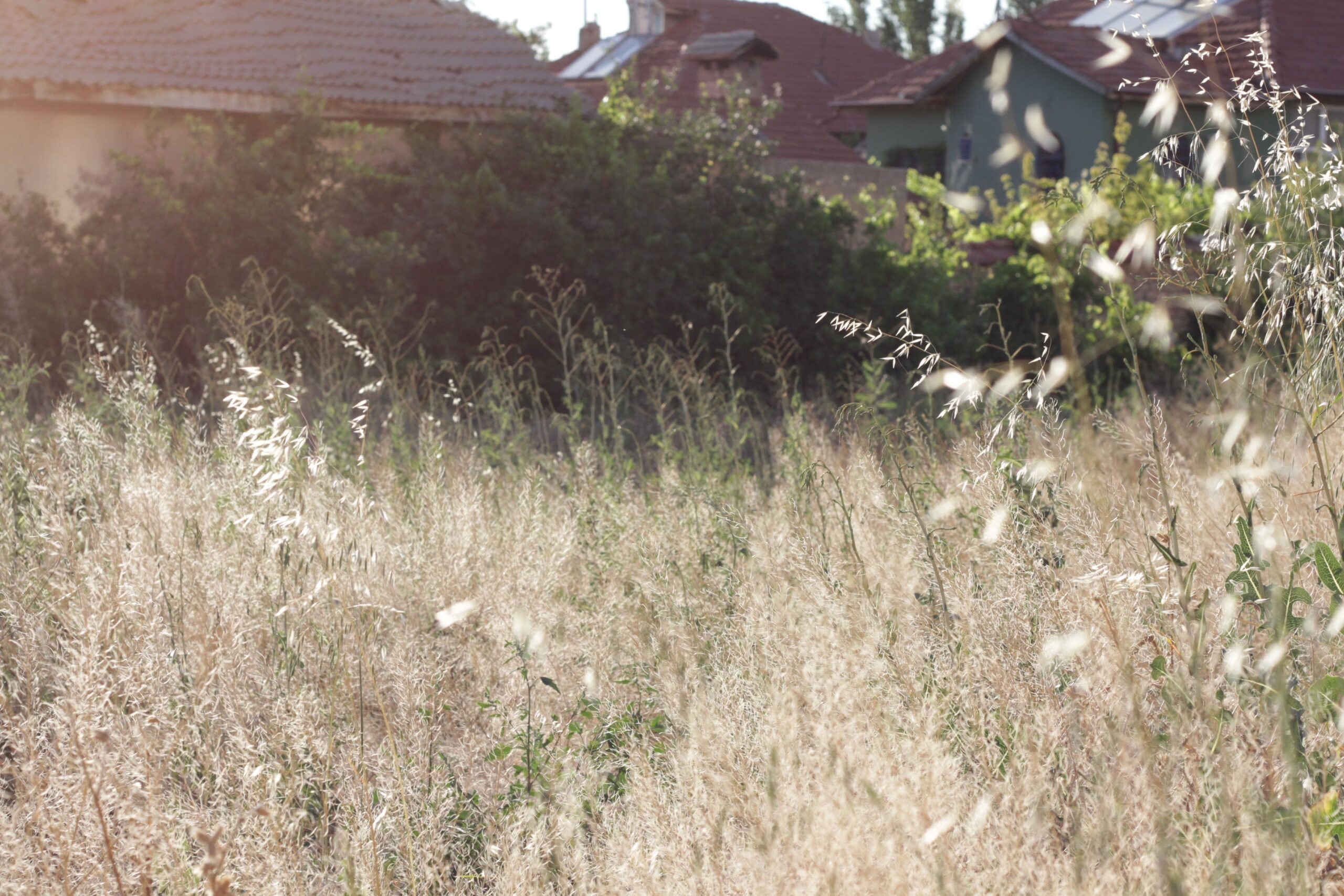
Tall Grasses
Ornamental grasses can look great in a garden, but tall, untrimmed growth gives snakes plenty of cover. Keeping the grass trimmed and clearing out dead growth can make the area less appealing as a hiding spot.
Plants on Mulch Beds
Mulch helps hold moisture around plants, but it can also create a comfortable place for snakes to hide. It may also attract insects and rodents, providing snakes with both shelter and a potential food source.
Related: 12 Plants That Naturally Keep Weeds Under Control
Berry Bushes
Raspberry, blackberry, and other berry bushes can attract birds and small rodents that feed on the fruit. Snakes may follow those animals into the garden, so picking up fallen berries and keeping the area tidy can help reduce the attraction.
Plants With Compost Piles
Compost piles are great for the garden, but they can also attract mice, insects, and other small creatures that snakes like to eat. The warmth and moisture inside a compost pile can also give snakes a comfortable place to take shelter.
Plants in Rock Gardens
Rock gardens offer plenty of cool hiding places, as snakes can slip into the gaps between rocks. If you’re building one, using smaller rocks and filling large spaces between them can leave fewer places for snakes to disappear.
Related: 14 Indoor Plants Believed to Attract Good Energy
Cedar Trees
According to Greenkin, cedar trees can provide the shade and cover snakes look for. Leaving fallen leaves, branches, and other yard debris beneath the trees can make the area less inviting.
Flowering Vines
Wisteria and honeysuckle can grow into thick masses that give snakes plenty of places to hide. Regular pruning can keep these vines from becoming so dense that you can’t easily see what is moving underneath them.
Plants Near Water Features
Plants around ponds, fountains, and other water features can give snakes a shaded place to wait near a reliable water source. These areas can also attract frogs, insects, and other small animals that snakes may hunt.
Cacti and Succulents
Cacti and succulents may seem like plants snakes would avoid, but some can still provide shelter and attract small animals. In dry areas, the shade and hiding places around these plants can make them more appealing than you might expect.
Related: 14 Garden Plants That May Trigger Allergy-Related Breathing Problems
Fruit Trees
Fruit trees can attract rats, mice, and other animals when ripe fruit falls to the ground. Snakes may follow those food sources into your yard, so picking up fallen fruit can help reduce the activity around your trees.
Bushy Shrubs
Thick shrubs such as boxwood can give snakes plenty of cover from people and predators. Keeping shrubs trimmed and clearing debris from around their bases can make it easier to spot anything hiding underneath.