
Healthy soil is the foundation of a productive garden. Rich, well-balanced soil holds moisture, supplies nutrients, and gives roots the space they need to grow. While compost and organic fertilizers are valuable tools, the vegetables you grow can also make a difference. Certain crops naturally improve soil by adding nutrients, breaking up compacted ground, or increasing organic matter after harvest.
Here are 14 vegetables that can help build healthier, more productive soil over time.
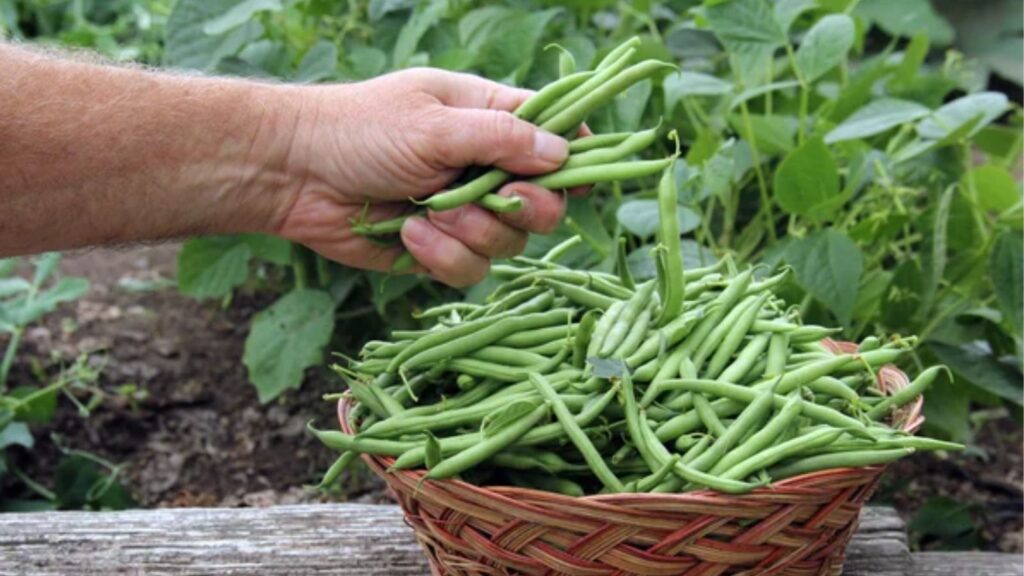
Beans
Beans are among the best crops for improving soil because they work with beneficial bacteria that live on their roots. These bacteria capture nitrogen from the air and convert it into a form plants can use. Growing beans regularly can leave the soil richer for the crops that follow.
Related: 15 Vegetables That Attract Beneficial Pollinators
Peas
Peas offer many of the same soil-building benefits as beans. Their roots support nitrogen-fixing bacteria, and once the plants are finished, they leave behind organic matter that improves soil texture. Peas also grow well during the cooler parts of the growing season, making them an easy addition to a crop rotation plan.
Clover
Although often grown as a cover crop rather than for the dinner table, clover belongs in many vegetable gardens. Its deep roots loosen compacted soil, improve drainage, and help prevent erosion. Like other legumes, clover also adds nitrogen to the soil while attracting bees and other helpful pollinators.
Related: 13 Surprising Vegetables That Thrive Without Soil
Alfalfa
Alfalfa is another legume known for its ability to restore tired soil. Its roots can reach many feet below the surface, opening compacted ground and drawing nutrients closer to the topsoil. It also attracts pollinators and beneficial insects, making it useful in larger garden spaces.
Radishes
Radishes grow quickly, but they do more than provide a fast harvest. Their long taproots push through dense soil, creating channels that allow water and air to move more freely. After harvest, any remaining roots break down and add organic matter below the surface.
Related: 15 Vegetables That Thrive in Acidic Soil
Mustard Greens
Mustard greens grow fast and produce deep roots that help loosen heavy soils. They also contain natural compounds called glucosinolates, which have been studied for their ability to reduce certain soil-borne pests and diseases. Many gardeners plant mustard as part of a cover crop program for this reason.
Cabbage
Cabbage develops a strong root system that helps loosen the soil as it grows. After the heads are harvested, the remaining leaves and roots decompose, returning organic matter to the garden. This improves soil structure and supports healthy microbial activity.
Broccoli
Broccoli is another crop that contributes to healthier soil. Its deep roots help improve soil structure, while its broad leaves shade the ground and reduce weed growth. Once the season ends, leftover plant material can be composted or worked into the soil to increase organic matter.
Related: 14 Vegetables That Help Improve Soil Quality
Spinach
Spinach grows quickly and develops a fibrous root system that helps keep soil loose. The plants also return organic material to the garden after harvest. Because spinach is rich in potassium, many gardeners include it in crop rotations to help maintain balanced growing conditions.
Beets
Beets send thick taproots deep into the soil, helping improve drainage and reducing compaction. After the roots are harvested, smaller roots left behind gradually break down, feeding beneficial organisms and adding organic matter below ground.
Carrots
Carrots naturally loosen dense soil as they grow. Their long roots create pathways that improve water movement and allow future crops to develop stronger root systems. They’re especially useful in gardens with compacted or clay-heavy soil.
Celery
Celery develops a substantial root system that helps improve soil structure over time. Once harvested, the remaining roots and plant material decompose, returning nutrients to the soil and increasing its organic content.
Onions
Onions have shallow but widespread roots that help keep the upper layer of soil loose. Their dense foliage also shades the ground, reducing weed growth during the growing season. After harvest, leftover plant material adds valuable organic matter back into the garden.
Potatoes
Potatoes can be surprisingly helpful for improving heavy soils. As the tubers grow and expand, they create pockets that improve air circulation and water movement. Once the crop is harvested, the remaining roots and plant material break down, adding nutrients and organic matter that benefit future plantings.